
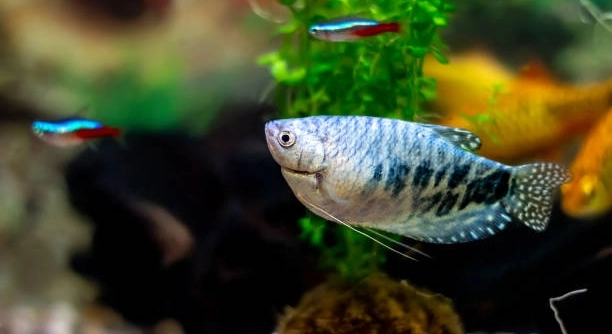
Gouramis are popular aquarium fish known for their vibrant colors and peaceful nature. However, sometimes they show aggression, which can disrupt the tank’s harmony. Managing this behavior is important to keep your fish healthy and stress-free.
The best way to fix gourami aggression is to address common causes such as territorial disputes, inadequate tank space, and lack of hiding spots. Adjusting these factors can reduce aggression and promote a balanced aquarium environment.
Understanding these fixes can improve your tank’s atmosphere and support happier, calmer gouramis in your care.
Understanding Gourami Territorial Behavior
Gouramis are naturally territorial fish. When placed in a tank that is too small, their instincts to defend space become stronger. This often leads to chasing, fin nipping, and other aggressive displays. To reduce conflict, it’s essential to provide enough room for each fish to establish its own area. The recommended minimum tank size for a single gourami is about 20 gallons, with extra space needed for additional fish. Adding plants and decorations can create natural barriers that help break up sightlines and reduce tension. Hiding spots like caves or dense foliage offer safe retreats, making the fish feel more secure. Watching your gouramis’ interactions can help you spot signs of aggression early, so adjustments can be made before injuries occur. Maintaining stable water conditions and avoiding overcrowding also play a key role in keeping gouramis calm. Regular tank maintenance ensures the environment stays healthy, which reduces stress-induced aggression.
Providing sufficient space and hiding places helps gouramis feel less threatened and lowers chances of fights.
Knowing how to arrange the tank thoughtfully can prevent many problems caused by territorial disputes. Careful planning ensures all fish coexist peacefully, improving their well-being and making your aquarium more enjoyable to watch.
Adjusting Diet and Feeding Habits
Uneven feeding can sometimes trigger aggression in gouramis. If one fish feels it isn’t getting enough food, it may become more aggressive toward others to secure more resources. To avoid this, feed your gouramis small amounts several times a day rather than one large feeding. This ensures all fish get enough to eat without competition becoming intense. Using sinking pellets or spreading food throughout the tank helps distribute feeding spots, reducing conflict. It’s also important to provide a balanced diet rich in protein and vegetables to keep your gouramis healthy and less prone to stress. Monitoring how your fish eat and adjusting feeding routines as needed can improve harmony in the tank.
Keeping feeding times regular and fair prevents fights over food and promotes a calmer tank atmosphere.
Aggression linked to feeding is often overlooked, but it can be a simple fix. Feeding too much or too little can upset your gouramis’ behavior, so paying attention to their needs helps keep peace. Offering a variety of food types supports their natural diet and strengthens their immune system, which reduces stress-related aggression. Sometimes, slow feeders benefit from separate feeding areas or temporary isolation during meals. With patience and observation, you can find a feeding routine that suits all your gouramis and keeps aggression at bay. This small change can make a big difference in how your fish interact daily.
Monitoring Tank Mates Closely
Some fish species do not get along well with gouramis. Introducing aggressive or fast-moving tank mates can increase stress and provoke fights. Choosing peaceful, slow-moving companions is best.
Avoid placing gouramis with fin-nippers or overly territorial fish. Smaller schooling fish often work well as tank mates. Watch interactions closely to spot signs of bullying or stress early. If aggression increases after adding new fish, consider separating them or changing the mix. Compatibility helps reduce conflicts and keeps your aquarium peaceful.
Incompatible tank mates can cause constant tension and provoke gouramis into defending themselves aggressively. Proper selection of companions is important to maintain a balanced environment. Take time to research which species fit well with gouramis. Peaceful fish like tetras or rasboras usually coexist without issues. Avoid large or aggressive fish that might challenge gouramis or compete for the same space and resources. By choosing appropriate tank mates, you protect your gouramis from unnecessary stress and injury, making your aquarium a calmer place for all its inhabitants.
Keeping Water Quality Stable
Water quality greatly impacts gourami behavior. Poor water conditions cause stress, which often leads to aggression. Regular testing and water changes help maintain a healthy environment.
Keep ammonia, nitrite, and nitrate levels within safe limits. Use a good filter and avoid overfeeding to reduce waste buildup. Stable temperature and pH are also crucial. Stress from fluctuating water parameters can make gouramis more prone to fights.
Maintaining clean water supports fish health and reduces aggressive tendencies. Neglecting water quality often results in sickness and heightened territorial behavior. Monitor water parameters weekly and perform partial water changes of about 20-30% regularly. This helps remove toxins and replenish essential minerals. Avoid sudden changes in water chemistry, as gouramis are sensitive to rapid shifts. Proper filtration, combined with good feeding practices, prevents waste accumulation. Providing stable and clean water conditions allows gouramis to thrive peacefully and lowers aggression caused by stress or illness. This simple care step is one of the most effective ways to keep your tank balanced.
Increasing Tank Size
A larger tank gives gouramis more space to spread out and reduces territorial disputes. Crowded tanks often lead to stress and aggression.
Upgrading to a bigger aquarium is one of the simplest ways to ease tension and promote peaceful behavior among gouramis.
Providing Visual Barriers
Adding plants, rocks, or decorations creates visual barriers that break lines of sight between gouramis. This helps lower aggression.
Visual barriers reduce direct confrontations by allowing fish to retreat and feel secure, which calms their behavior over time.
Using Floating Plants
Floating plants offer shaded areas and cover at the water’s surface. Gouramis appreciate these hiding spots, which help reduce stress.
These plants can also soften lighting and create a more natural environment, encouraging calm and less aggressive interactions in the tank.
Why are my gouramis fighting so much?
Gouramis fight mainly because of territorial behavior, especially if the tank is too small or overcrowded. Males can be more aggressive during breeding seasons, competing for space or mates. Stress from poor water quality or incompatible tank mates also causes more fights. Providing enough space, hiding spots, and peaceful companions helps reduce aggression.
How can I tell if gourami aggression is serious?
Serious aggression shows when fish have visible injuries, torn fins, or constant chasing that leaves one fish hiding all the time. If you notice one gourami is isolated or bleeding, it’s time to intervene. Mild chasing is normal, but persistent attacks are harmful and need to be addressed quickly to avoid long-term damage.
Can tank size really affect gourami behavior?
Yes, tank size plays a huge role. A small tank forces gouramis into close quarters, increasing stress and competition for territory. A larger tank gives them more room to spread out, reducing fights. At least 20 gallons per gourami is recommended, with extra space if you keep multiple fish or other species together.
What are the best tank mates for gouramis?
Peaceful fish that are not aggressive or fast swimmers usually do well with gouramis. Examples include tetras, rasboras, and small catfish. Avoid fin-nippers or highly territorial fish like some barbs or cichlids. Choosing compatible tank mates prevents stress and reduces aggressive behavior in your gouramis.
How often should I feed my gouramis to reduce aggression?
Feeding small amounts 2-3 times daily helps reduce competition. Spread the food across the tank so all fish can eat without fighting. Overfeeding or uneven feeding can make some gouramis more aggressive as they compete for limited food. Balanced diets with variety also support their health and calm behavior.
Will adding plants help with aggression?
Yes, plants act as natural barriers and hiding places. Dense foliage and floating plants break up lines of sight, allowing fish to avoid constant confrontation. Plants create a more natural environment, which helps gouramis feel safe and lowers stress-driven aggression. Regularly maintaining plants keeps the tank healthy and inviting.
Is it necessary to separate aggressive gouramis?
If aggression becomes dangerous and no other changes work, separating the aggressive fish may be necessary. This protects the weaker gouramis from injury. Sometimes a temporary separation during feeding or breeding helps, or permanent division if the behavior persists. Always observe your tank closely to decide if separation is needed.
Can water quality affect gourami aggression?
Poor water quality causes stress, making gouramis more likely to fight. Ammonia, nitrite, and nitrate spikes, or sudden changes in temperature and pH, upset fish health. Regular water testing and partial water changes keep conditions stable. Clean, stable water helps gouramis stay calm and healthy, reducing aggressive tendencies.
What signs show that aggression is caused by stress?
Signs include hiding, loss of appetite, rapid breathing, and sudden changes in behavior. When gouramis feel stressed, they become more defensive and may attack tank mates. Identifying stress factors like poor water or bad tank mates and correcting them can lower aggression quickly.
Can breeding increase aggression in gouramis?
Yes, during breeding, males become more territorial and protective, which can cause fights. Separating breeding pairs or providing extra space and hiding spots helps reduce conflicts. Watching for breeding behavior and making adjustments early prevents injuries and keeps the tank peaceful.
Managing gourami aggression can be challenging, but with the right steps, it is very possible to create a peaceful aquarium environment. The key is understanding the main reasons why gouramis become aggressive. Most often, aggression happens because of territorial instincts, overcrowding, or stress caused by poor water conditions or incompatible tank mates. By addressing these issues, you can reduce fighting and help your fish live more comfortably together. Simple changes like increasing tank size, adding plants for hiding spots, and choosing peaceful companions go a long way in calming gouramis.
Feeding habits and water quality also play important roles in controlling gourami aggression. Uneven feeding or overfeeding can make some fish more competitive and aggressive during mealtime. Feeding small amounts several times a day and spreading food across the tank helps reduce fights over food. Keeping water clean and stable is just as important. Gouramis are sensitive to sudden changes in temperature, pH, and water chemistry. Regular water testing and partial water changes remove harmful substances and keep the environment healthy. When gouramis feel secure and well cared for, they are less likely to act aggressively.
Watching your gouramis closely and making adjustments early can prevent serious injuries and ongoing stress. Sometimes, even after changes, one fish may still be overly aggressive. In those cases, temporary or permanent separation might be necessary. Overall, patience and observation are key to managing gourami aggression. Providing enough space, proper tank mates, good water quality, and consistent feeding creates a balanced tank where gouramis can thrive peacefully. Taking these steps will improve the well-being of your fish and make your aquarium a more enjoyable place to watch.

Hello,
If you enjoy the content that we create, please consider saying a "Thank You!" by leaving a tip.
Every little bit helps us continue crafting quality advice that supports the health, happiness, and well-being of pets around the world, for pets of all shapes, sizes, and species.
We really appreciate the kindness and support that you show us!