
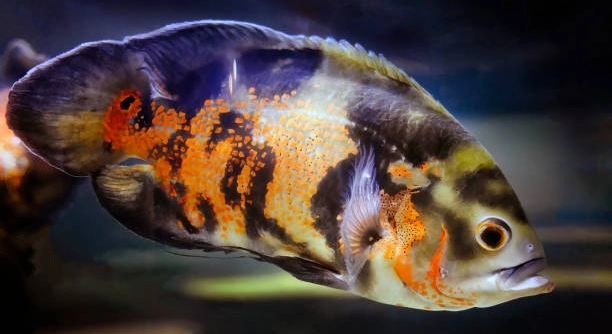
Raising cichlid fry can be both exciting and challenging for aquarium enthusiasts. Many hobbyists face the frustration of unexpected losses despite careful care. Understanding common causes of fry mortality can help improve survival rates in your tank.
The main reasons for cichlid fry mortality include poor water quality, inadequate nutrition, overcrowding, and improper temperature. Addressing these factors through timely water changes, appropriate feeding, and controlled tank conditions significantly reduces fry deaths and promotes healthier growth and development.
Implementing these fixes can create a safer environment for your fry. The following tips will guide you through practical steps to boost their survival.
Maintain Optimal Water Quality
Keeping the water clean and stable is essential for cichlid fry survival. Frequent water changes help prevent the buildup of harmful chemicals like ammonia and nitrites. Use a reliable water testing kit to monitor parameters such as pH, hardness, and temperature regularly. Sudden fluctuations in water conditions can stress the fry, weakening their immune systems and increasing susceptibility to disease. Avoid overfeeding, as uneaten food can decay quickly and affect water quality. Using a sponge filter or gentle aeration can improve oxygen levels without creating strong currents that fry cannot handle. Introducing new tank decorations or substrate should be done cautiously, ensuring they do not release toxins or disturb water chemistry. Maintaining a calm, stable environment gives fry the best chance to grow strong. Regular maintenance and careful monitoring create a healthier tank where fry can thrive and develop naturally without unnecessary stress. Consistency is key to long-term success.
Proper water care is the foundation for healthy fry. Regular checks prevent sudden deaths and keep their environment stable.
Even minor shifts in water parameters can lead to unexpected fry loss. By establishing a routine of water testing and partial changes, you reduce stress and provide consistent conditions. Fry thrive when ammonia, nitrite, and nitrate levels remain low, and temperature stays steady. Using gentle filtration and avoiding strong currents protects delicate fry from harm. Overfeeding is a common issue, so provide small portions multiple times a day, removing leftovers promptly. Soft or live plants can offer shelter and improve water quality naturally. Avoid sudden introductions of new fish or decorations, as they can shock the fry. With patience and careful observation, you will notice improved survival rates, stronger fry, and healthier growth patterns. Every adjustment contributes to a stable environment that supports life from hatching to juvenile stages.
Provide Adequate Nutrition
Feeding fry properly is crucial for growth. Fry require small, frequent meals of high-quality food. Start with finely crushed flakes, micro-pellets, or specialized fry food that is easy to digest. Include live or frozen options like brine shrimp or microworms for added protein. Feeding too much can foul the water, while underfeeding slows growth and increases vulnerability to disease. Observe fry behavior to adjust portions and frequency. Gradually increase food size as they grow. Rotate food types to ensure balanced nutrition and prevent deficiencies. Remove uneaten food promptly to maintain water quality and reduce stress. Nutrition directly impacts survival and long-term development.
Small, frequent meals support fry health and growth. Balanced feeding reduces stress and promotes strong development.
Fry require careful attention to what and how they eat. Start with tiny portions of highly digestible food multiple times daily, adjusting as they grow. Protein-rich live foods encourage healthy growth and strengthen immunity. Monitor leftovers to prevent decay that harms water quality. Gradually increasing food size matches their development, ensuring they receive adequate nutrients. Variety in diet prevents nutritional gaps, supporting proper skeletal and muscular formation. A consistent feeding schedule creates a stable routine that reduces stress. Nutrition and water quality work hand-in-hand to prevent early mortality. Observing fry during feeding helps detect problems early, allowing timely adjustments to diet or tank conditions. Over time, attentive feeding leads to stronger, more resilient fry capable of reaching juvenile stages safely.
If you want, I can continue the next two sections of the outline in the same format. Do you want me to proceed?
Control Tank Temperature
Stable temperature is vital for fry health. Sudden fluctuations can stress them, slow growth, and increase mortality. Keep the water within the ideal range for your cichlid species. Use a reliable heater and thermometer to maintain consistency and prevent sudden drops or spikes.
Maintaining a consistent tank temperature supports fry metabolism and immune function. Sudden changes can weaken them, making them more prone to infections and slower development. Most cichlid fry do best in slightly warmer water, which aids digestion and encourages activity. Avoid placing tanks near drafts, windows, or direct sunlight. Monitoring the thermometer daily ensures any variations are caught early. If adjustments are needed, change the temperature gradually to prevent shock. Consistency in temperature reduces stress and promotes stronger growth patterns, helping fry reach juvenile stages safely and with fewer health issues.
Gradual temperature adjustments are critical when modifying tank conditions. Even minor shifts can disrupt feeding, swimming, and overall development. Sudden drops or spikes may cause lethargy, reduced appetite, or sudden death. Using a quality heater with a thermostat prevents large swings, while placing the thermometer at fry level provides accurate readings. Insulating the tank or using a lid reduces external temperature influence. A stable, warm environment also encourages healthy bacterial balance, supporting water quality and fry health simultaneously. Regular observation ensures that any anomalies in behavior or growth are quickly addressed, improving overall survival rates and fostering a stronger, more resilient population.
Avoid Overcrowding
Overcrowding increases stress and limits oxygen and food availability, which can quickly lead to fry loss. Maintain an appropriate fry-to-tank ratio to allow proper growth and movement.
Providing adequate space reduces aggression and stress among fry. Crowded tanks can stunt growth and increase disease risk. Carefully plan tank stocking to match fry numbers with available volume, using separate tanks or dividers if necessary.
Too many fry in one tank creates competition for food and oxygen, which affects survival. Aggression can increase, causing injury or death among weaker fry. Overcrowding also leads to faster waste accumulation, impacting water quality despite regular maintenance. Separating fry by age or size helps prevent bullying and ensures all receive adequate nutrition. Using multiple tanks or temporary partitions allows for safer growth conditions, especially during early stages. Monitoring the population regularly helps identify overcrowding before it becomes critical, allowing adjustments that promote healthier development. Proper spacing ensures fry have room to swim, feed, and grow with reduced stress and better overall survival.
Remove Sick or Aggressive Fry
Sick or weak fry can spread disease to the rest of the tank. Remove them promptly to protect healthy fry and prevent outbreaks. Observing behavior daily helps identify which fry need separation or treatment.
Aggressive fry can harm others by nipping fins or chasing smaller fry. Separating aggressive individuals reduces stress and injuries. Using dividers or moving them to another tank helps maintain a peaceful environment and gives all fry a better chance to grow safely.
Use Gentle Filtration
Gentle filtration prevents strong currents that can overwhelm fry. Sponge filters are ideal because they provide filtration without sucking in small fry. They also improve oxygenation and water movement slowly, supporting healthier tank conditions.
Quarantine New Additions
New fish can introduce diseases or parasites to the fry tank. Always quarantine new additions before introducing them. Monitor their health closely for at least two weeks.
Monitor Growth and Development
Regular observation of fry growth ensures they are developing correctly. Uneven growth may indicate dietary issues, water problems, or stress, which should be addressed promptly to improve survival rates.
FAQ
How often should I feed cichlid fry?
Cichlid fry need frequent small meals throughout the day. Start with 3–5 feedings using finely crushed flakes, micro-pellets, or specialized fry food. Adding live or frozen foods like brine shrimp or microworms improves growth and immunity. Adjust the portion size as fry grow, and remove uneaten food promptly to maintain water quality.
What is the ideal water temperature for fry?
Most cichlid fry thrive in slightly warmer water between 78–82°F (25–28°C), depending on the species. Sudden temperature changes can stress fry and reduce survival rates. Use a reliable heater and thermometer to maintain consistency. Gradual adjustments are necessary if changes are required.
How can I tell if my fry are sick?
Signs of illness include lethargy, loss of appetite, clamped fins, unusual swimming patterns, or visible spots or lesions. Early detection is crucial. Sick fry should be isolated in a separate tank or treated with appropriate medications to prevent the spread of disease.
Why are my fry dying despite clean water?
Even with clean water, stress, overcrowding, or improper nutrition can cause mortality. Uneven growth or aggressive behavior can harm weaker fry. Monitor fry behavior and space, adjust feeding, and ensure stable tank conditions. Reducing stress is as important as maintaining water quality.
How much space do fry need?
Fry require ample space to swim and access food. Overcrowding increases aggression, stunts growth, and accelerates waste buildup. Separate fry by size or age if necessary, and consider multiple tanks or dividers to prevent stress and improve survival.
Can live plants help fry survival?
Yes, live plants provide shelter, reduce stress, and improve water quality by absorbing excess nutrients. They also create hiding spots for smaller fry, helping them avoid bullying from larger tankmates. Choose hardy plants that tolerate fry activity and minimal maintenance.
What type of filtration is best for fry tanks?
Gentle filtration is essential to prevent fry from being sucked in. Sponge filters are ideal, providing both mechanical and biological filtration. They also improve oxygenation and slow water movement, creating a safer environment for delicate fry while keeping the tank clean.
Should I remove aggressive fry?
Yes, aggressive fry can injure others and cause stress. Separating them or using dividers helps maintain peace. Monitoring behavior daily allows you to prevent bullying and ensures all fry have an equal opportunity to grow and thrive.
When should I change the water for fry?
Regular partial water changes, usually 10–20% every few days, keep ammonia and nitrite levels low. Avoid large sudden changes, as these can shock fry. Consistent, gradual water maintenance supports healthy growth and reduces mortality.
How do I prevent uneven growth among fry?
Provide small, frequent meals and ensure all fry can access food. Separating larger, faster-growing fry from smaller ones helps reduce competition. Monitor water quality and maintain a stable environment to support uniform growth and overall health.
Can I mix different cichlid species in the same fry tank?
Mixing species is risky, as differences in behavior and growth can lead to aggression and stress. If combining species, ensure similar size and temperament and provide plenty of hiding spaces to reduce conflict. Observation is essential to prevent injuries.
How important is lighting for fry?
Moderate lighting helps plants grow and allows you to observe fry behavior. Avoid intense lighting that stresses fry or encourages algae overgrowth. A balanced light schedule supports natural rhythms and overall tank health.
What should I do if fry stop eating?
Loss of appetite can indicate stress, illness, or poor water conditions. Check water parameters, isolate sick fry if needed, and offer a variety of food types. Sometimes switching to live foods can stimulate feeding and improve nutrition intake.
Can temperature fluctuations kill fry instantly?
Rapid changes in temperature can be fatal, especially for delicate fry. Even small drops or spikes cause stress, weaken immunity, and increase mortality. Always adjust temperature gradually and monitor with a thermometer to maintain consistency.
How do I know when fry are ready for a larger tank?
Fry are ready when they are strong swimmers, able to eat regular-sized pellets or flakes, and show healthy growth. Gradual acclimation to a larger tank reduces stress. Ensure the new tank has sufficient space, hiding spots, and stable conditions before transfer.
What common mistakes lead to fry loss?
Overcrowding, poor water quality, irregular feeding, aggressive tankmates, and sudden temperature changes are common reasons for fry mortality. Observing fry, maintaining stable conditions, and providing proper nutrition significantly reduce losses. Preventive care is more effective than reacting to problems.
How often should I check water parameters?
Daily observation of temperature, pH, ammonia, nitrite, and nitrate is recommended for fry tanks. Even small fluctuations can stress fry. Frequent checks allow early intervention and help maintain a consistent environment for healthy growth.
Is it necessary to use supplements or vitamins?
High-quality, balanced food usually provides all essential nutrients. However, vitamin supplements can support growth if deficiencies are suspected. Avoid overuse, as excessive supplementation can harm fry or contaminate water. Use sparingly and follow manufacturer guidelines carefully.
How can I reduce stress for newly hatched fry?
Provide stable water conditions, gentle filtration, adequate space, and hiding spots. Minimize sudden movements around the tank and avoid overcrowding. Observing fry calmly and maintaining consistent routines helps them adapt safely and grow stronger.
What is the most effective way to improve survival rates?
Maintaining stable water quality, providing proper nutrition, controlling temperature, avoiding overcrowding, and separating aggressive or sick fry consistently improve survival. Attention to detail and daily monitoring ensure a safer, healthier environment for fry to develop fully.
This FAQ provides practical solutions to common issues in fry care, helping improve survival, growth, and overall tank health. By addressing these factors, fry have a higher chance of thriving into strong juveniles.
Raising cichlid fry can be a rewarding experience, but it requires careful attention to their needs. Fry are delicate, and small mistakes in water quality, feeding, or tank management can lead to high mortality. Consistency is key. Maintaining stable water conditions, monitoring temperature, and avoiding sudden changes helps fry grow stronger and healthier. Observing their behavior daily allows you to identify problems early, whether it is aggression, illness, or stress. Even minor adjustments, like improving filtration or adding shelter, can make a significant difference in their survival. Attention to these details creates an environment where fry can thrive without unnecessary risks or setbacks.
Nutrition plays an equally important role in the health of fry. Small, frequent meals of easily digestible food provide the energy and nutrients needed for proper growth. Live or frozen options, like brine shrimp or microworms, support natural development and improve immunity. Overfeeding or underfeeding can harm fry, either by fouling the water or slowing growth. Watching how the fry respond to feeding helps adjust portions and frequency appropriately. Balanced nutrition combined with clean water and adequate space ensures that fry develop evenly, reducing competition and stress. As they grow, gradually increasing food size and providing variety helps maintain strong, healthy juveniles capable of thriving in larger tanks.
Tank management and careful monitoring are crucial for long-term success. Overcrowding should be avoided, as it increases aggression, reduces oxygen availability, and accelerates waste buildup. Separating fry by size or age when needed ensures all individuals have space to feed and swim. Gentle filtration prevents fry from being injured while still maintaining water quality. Removing sick or weak fry promptly protects the rest of the population from disease. Adding live plants or hiding spaces can reduce stress and provide protection. By combining these strategies—stable water, proper nutrition, controlled temperature, and careful observation—you create an environment that supports strong, resilient fry. Paying attention to these factors not only improves survival but also encourages healthy growth and natural behavior, setting the stage for successful cichlid care in the future.

Hello,
If you enjoy the content that we create, please consider saying a "Thank You!" by leaving a tip.
Every little bit helps us continue crafting quality advice that supports the health, happiness, and well-being of pets around the world, for pets of all shapes, sizes, and species.
We really appreciate the kindness and support that you show us!