
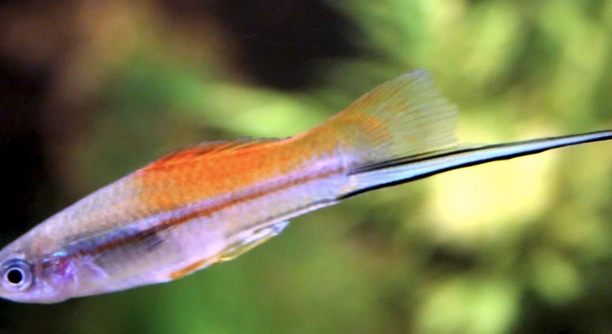
Is your swordtail fish acting strange or looking stressed out in its tank? Quick changes in behavior can be worrying for any fish owner. Knowing what to do can make a big difference for your pet.
Stress in swordtail fish is commonly caused by poor water quality, aggressive tankmates, sudden environmental changes, or overcrowding. Addressing these issues quickly through water testing, proper tank setup, and gentle acclimation methods can help restore calm behavior and health.
These simple fixes can make your fish feel safe and comfortable again. Let’s look at what works best when your swordtail starts showing signs of stress.
Check Your Water Quality First
The first thing to do when your swordtail seems stressed is test the water. Poor water quality is one of the most common reasons fish behave abnormally. Ammonia, nitrite, and nitrate levels can rise quickly without you noticing. High levels of these substances are harmful and can cause your fish to become sluggish, hide, or lose appetite. Regularly using a test kit helps you stay on top of the tank’s conditions. Water temperature should also be consistent, ideally between 72°F and 82°F for swordtails. A sudden drop or increase can shock the fish. Check the pH as well—swordtails prefer slightly alkaline water between 7.0 and 8.3. If you detect any imbalance, make gradual changes rather than sudden ones. Always condition tap water before adding it to the tank to avoid chlorine exposure. Simple adjustments can lead to noticeable improvements in your fish’s behavior within days.
A 25% water change once a week is usually enough to keep the environment clean and safe.
Test strips are convenient, but liquid test kits offer more accuracy. If your results are off, clean the filter media and vacuum the substrate gently. Remove any uneaten food to prevent future spikes in ammonia. Keeping the tank balanced helps prevent stress from recurring.
Reduce Tank Aggression
Some swordtails can become stressed due to bullying by other fish. Look for signs like nipped fins, excessive hiding, or swimming away from certain tankmates. These are signs of ongoing tension in the tank.
A good way to reduce aggression is to rearrange the tank’s layout. Moving decorations and plants breaks up established territories and reduces bullying. Adding more plants and hiding spots gives the weaker fish a safe place to retreat. It’s also a good idea to check if your tank is too small. Overcrowding increases stress levels and makes fish more territorial. For swordtails, a tank of at least 20 gallons is recommended, especially if you’re keeping multiple males. Male swordtails tend to fight, so maintaining a proper male-to-female ratio—ideally one male to two or three females—can help keep things calm. Sometimes it’s necessary to separate fish that don’t get along. Use a breeder box temporarily or move the aggressor to another tank if needed. Observing how your fish interact helps you make the right adjustments before things get worse.
Adjust Lighting and Noise Levels
Swordtail fish are sensitive to their surroundings, including light and sound. Sudden bright lights or loud noises can startle them and cause stress. Keeping the lighting soft and the tank in a quiet area helps create a calm environment.
Avoid turning the aquarium light on or off suddenly. Instead, try using a dimmer or ambient room lighting first to help them adjust gradually. If your fish are near a loud TV, speaker, or a high-traffic area, consider relocating the tank. Constant vibration or loud sounds can make them anxious and lead to hiding or erratic swimming. Use a timer for lighting to maintain a regular day-night cycle, ideally 10 to 12 hours of light per day. Sudden changes in routine can disrupt their sense of safety. Consistency helps them feel secure, which plays a big part in reducing stress.
Keep decorations simple and avoid flashing lights or bubble walls that cause excessive movement. If your fish show signs of fear—like darting, freezing, or breathing heavily—it may be due to overstimulation. Make the environment peaceful by using live plants, soft lighting, and reducing sudden noises. Adding a background poster on the tank can also help reduce reflections and external disturbances, making them feel more secure inside their space.
Monitor Feeding Habits and Portions
Stressed fish often refuse food or show little interest in eating. This could be due to illness, fear, or changes in the tank. Offering small amounts at the same time each day can help.
Feed your swordtails a balanced diet with quality flakes, frozen foods, or live options like brine shrimp. Overfeeding leads to waste buildup, which affects water quality and increases stress. If your fish ignore food, remove leftovers right away to prevent ammonia spikes. Keep feedings consistent, twice a day in small portions, and try different foods if their appetite doesn’t return. Pay attention to how much each fish eats—if one dominates feeding time, it may be causing stress for the others. Use feeding rings to spread out food evenly. When feeding becomes routine and stress levels drop, your swordtails should regain their interest in eating and appear more active and social again.
Check for Signs of Illness
Look for physical changes like clamped fins, white spots, rapid breathing, or unusual swimming. These can signal illness rather than stress alone. Early detection makes treatment easier and helps protect other fish in the tank.
Use a quarantine tank if you suspect disease. Isolate the sick fish to prevent spreading illness. Treat with medication based on symptoms, and keep the tank clean and stable.
Maintain Consistent Water Temperature
Fluctuating water temperatures can stress your swordtail fish even if everything else seems fine. Use a reliable aquarium heater to keep the temperature between 72°F and 82°F. Avoid placing the tank near windows, vents, or heaters, as these areas often cause unstable temperatures. Use a thermometer to check the tank daily. Sudden changes of more than two degrees in a short time can lead to shock. If the power goes out or the heater fails, act quickly by insulating the tank or using temporary heat packs. Stable temperatures support immune health and help your fish stay calm and active without added stress.
Avoid Overcrowding
Too many fish in a small tank leads to competition, waste buildup, and stress. A 20-gallon tank is the minimum for a small swordtail group.
FAQ
How do I know if my swordtail fish is stressed?
Stressed swordtails may swim erratically, hide often, lose color, or breathe heavily near the surface. You might also notice clamped fins, lack of appetite, or sudden aggression toward other fish. These are clear signs something in their environment or routine is bothering them. Monitoring their behavior daily helps catch issues early.
What should I do if my swordtail stops eating?
Start by testing the water for ammonia, nitrite, and pH levels. Poor water quality is a common cause of appetite loss. Next, observe their behavior—hiding or darting can also indicate stress. Offer different foods like brine shrimp or daphnia to spark interest. Feed small amounts and remove leftovers right away. If there’s no improvement, check for illness and consider using a quarantine tank.
Can swordtails live alone, or do they need companions?
Swordtails are social and do better in groups. Keeping just one can lead to boredom and stress. A group of three to five works well in a properly sized tank. Males may chase each other, so it’s best to keep a higher female-to-male ratio to reduce aggression and keep the group peaceful.
How often should I clean the tank to keep swordtails healthy?
Perform partial water changes once a week, replacing 25–30% of the water with clean, treated water. Vacuum the gravel during these changes to remove uneaten food and waste. Clean the filter monthly, but don’t change all filter media at once—this helps keep beneficial bacteria intact. Overcleaning or using untreated tap water can actually harm your fish.
What is the ideal water temperature and pH for swordtails?
Keep the water temperature between 72°F and 82°F, and maintain a stable pH between 7.0 and 8.3. Use a thermometer and test kit to check both regularly. Avoid large swings in temperature or pH, as these can cause stress. Consistent conditions make a big difference in your fish’s overall health.
Why is my swordtail hiding all the time?
Hiding can be a sign of fear, bullying, or illness. First, check tank mates—some fish can be too aggressive. Next, evaluate the environment: loud sounds, bright lights, and lack of hiding spots can make fish feel exposed. Add plants or decorations to give your swordtail a safe, quiet place to rest.
Can poor diet cause stress in swordtails?
Yes, a poor or repetitive diet can lead to malnutrition, weakened immunity, and stress. Offer a variety of high-quality flakes, vegetables, and protein-rich treats like frozen bloodworms. Feeding small portions twice daily is better than overfeeding. A well-fed fish is usually more active, colorful, and less likely to fall ill.
Do swordtails get stressed when moved to a new tank?
Yes, any change in environment can cause temporary stress. When transferring them, match water parameters as closely as possible and float the fish in a bag to help them adjust slowly. Keep lighting low and give them time to explore without interruptions. It usually takes a few days for them to settle.
How do I reduce aggression in a swordtail tank?
Make sure the tank isn’t overcrowded, and use decorations or plants to break up lines of sight. Provide enough space—at least 20 gallons for a small group. Keep more females than males to limit chasing. If one fish is too aggressive, consider separating it or rearranging the tank to reset territory.
Can stress in swordtails lead to long-term health problems?
Yes, ongoing stress weakens their immune system and makes them more vulnerable to infections and disease. It can also shorten their lifespan. Keeping the tank environment clean, calm, and stable supports their health. With regular care and attention, swordtails usually bounce back quickly from short-term stress.
Final Thoughts
Caring for a stressed swordtail fish takes patience, observation, and a few practical changes. Stress in fish is often caused by poor water conditions, overcrowding, sudden changes, or aggressive tank mates. By making sure your tank is well-maintained and stable, you create a space where swordtails can stay active and healthy. Start with the basics—clean water, steady temperature, and the right diet. These may seem simple, but they have the biggest impact on reducing stress and preventing illness.
It’s also important to pay attention to behavior. If your swordtail is hiding, skipping meals, or showing signs like clamped fins or rapid breathing, something might be wrong. These small changes are often the first signs of a problem. Regularly checking on your fish can help you catch these signals early and fix the issue before it becomes serious. Whether it’s a water issue or a more serious illness, early action gives your fish the best chance at recovery. Don’t forget that stress can come from small things like sudden light changes or too much movement near the tank.
Building a routine can help reduce problems in the long run. Feed your swordtails at the same time each day, clean the tank regularly, and test the water often. These simple habits not only reduce stress but also make it easier to spot changes in their health. Keep decorations and plants in the tank to create hiding spaces and give them a sense of security. A peaceful environment leads to happier fish. When your swordtails feel safe and comfortable, they’re more likely to swim freely, eat well, and live longer. Consistency in care is key, and even small improvements can make a big difference.

Hello,
If you enjoy the content that we create, please consider saying a "Thank You!" by leaving a tip.
Every little bit helps us continue crafting quality advice that supports the health, happiness, and well-being of pets around the world, for pets of all shapes, sizes, and species.
We really appreciate the kindness and support that you show us!