
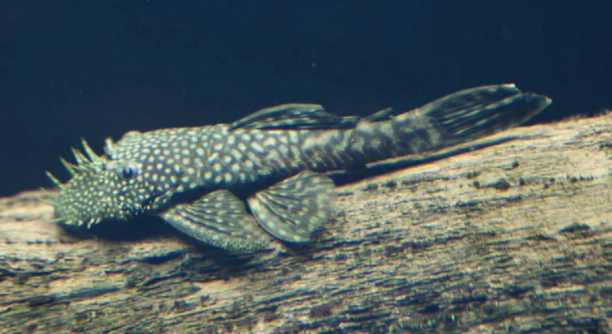
Has your plecostomus been acting stressed lately? It can be tricky to figure out what’s causing the unease, but there are simple ways to help them feel better. Let’s look at a few fast fixes to ease their stress.
To relieve a stressed-out plecostomus, focus on maintaining clean water, proper tank conditions, and avoiding overcrowding. Adding hiding spots and managing their diet can also contribute to reducing their stress levels. Regular maintenance and attention are key.
Making small changes to your pleco’s environment can lead to noticeable improvements in their health. These adjustments will keep your pleco happy and stress-free, ensuring a smoother, more enjoyable tank experience for both of you.
Clean Water Is Essential for Your Plecostomus’ Health
Water quality plays a huge role in the wellbeing of your plecostomus. When the water isn’t clean, toxins like ammonia and nitrites can build up, leading to stress. Plecos are sensitive to changes in their environment, and poor water conditions can easily make them anxious or even sick. Regular water changes are a must, typically about 25% of the tank’s water every week. It’s also important to monitor your tank’s water parameters such as pH, hardness, and temperature. These factors need to remain stable to ensure your pleco’s comfort. A good filtration system will help maintain water cleanliness by removing waste and debris. When your pleco feels secure in their water, they’re more likely to be relaxed and active.
Investing in a high-quality filter and maintaining it properly can go a long way. Make sure to replace filter media as needed and keep your filter running smoothly to avoid sudden spikes in harmful substances. Even if the water looks clear, there could still be invisible stressors affecting your fish. So, keep an eye on water quality to prevent any unwanted surprises.
Your plecostomus will thank you for keeping their living conditions clean and stable. It’s easy to overlook the importance of water quality, but when you maintain it properly, your pleco will thrive and feel much less stressed.
Avoid Overcrowding in the Tank
Overcrowding can be a major source of stress.
Plecos need their space to swim freely and avoid constant competition for food. If the tank is too small or packed with too many fish, your pleco won’t have enough room to explore and settle down comfortably. This can make them anxious and less active, leading to more stress. A well-planned tank setup with enough space for everyone will help your pleco stay relaxed and healthy.
Provide Hiding Spots for Your Plecostomus
Plecos are nocturnal fish, and they enjoy having places to retreat to during the day. Without hiding spots, your pleco can feel exposed and stressed. Adding caves, rocks, or driftwood gives them a place to rest and feel safe. This simple addition can greatly improve their comfort.
Hiding spots also mimic the natural environment of plecos. In the wild, they seek shelter in crevices and under rocks, so providing similar spaces in their tank can help them feel more at ease. It’s important to add multiple hiding spots, especially if you have other fish in the tank. This way, they can choose where they feel most comfortable.
When plecos are given a place to hide, they feel secure and less stressed. It can help reduce territorial aggression or any discomfort caused by bright lights. A calm, sheltered pleco will be much more relaxed and less likely to show signs of stress.
Adjust the Tank’s Temperature
Plecos require stable water temperatures to feel comfortable.
Temperature fluctuations can cause stress and make them more susceptible to illness. Keeping the tank between 75°F and 80°F (24°C to 27°C) is ideal for most plecos. Too hot or too cold water can make them uncomfortable and cause stress-related health issues.
Investing in a reliable aquarium heater is essential to maintaining the correct temperature. Regularly check the water’s temperature with a thermometer to ensure consistency. Sudden changes in temperature can disrupt your pleco’s behavior, so avoid placing the tank near windows, doors, or heaters. Keeping things steady helps your pleco remain calm and healthy.
Plecos can be sensitive to both high and low temperatures, and when their environment is too extreme, they can become stressed. Keeping the water temperature stable is one of the simplest yet most important fixes to prevent this issue.
Feed Your Plecostomus a Balanced Diet
Plecos need a diet that includes both plant matter and protein. If they aren’t getting the right nutrition, they can become stressed. Offering a variety of foods, like algae wafers, veggies, and occasional protein sources, will help keep them healthy. This will also prevent hunger-related anxiety.
A plecostomus’ diet should be rich in fiber, which is often found in vegetables like zucchini, cucumber, and spinach. These are great for their digestion and overall health. Avoid overfeeding, as uneaten food can pollute the tank and affect the water quality, leading to stress.
When you feed them properly, your pleco will feel better and be less stressed. A balanced diet keeps their energy levels up and helps them grow strong. It’s important to give them different types of food to keep them satisfied and healthy.
Monitor Tank Lighting
Lighting plays a role in your pleco’s comfort.
If your tank is too bright, it can stress your plecostomus, who prefer dimmer environments. Consider using low-intensity lighting or adjustable LED lights that you can control to mimic natural lighting patterns.
Some plecos may also prefer dark spaces where they feel more secure. If possible, use light cycles to simulate day and night. This helps with their natural rhythm and overall wellbeing. If you notice your pleco hiding more often or acting out of character, adjusting the lighting could be a simple fix.
Regular Tank Maintenance
Tank maintenance is key to a stress-free pleco.
Keep the tank clean by removing debris, vacuuming the substrate, and checking equipment regularly. Ensuring the filter and heater are working properly prevents sudden changes in water conditions, which can be a major stressor.
FAQ
What are the signs that my plecostomus is stressed?
Plecos show various signs when they are stressed. Common indicators include hiding more than usual, not eating, swimming erratically, or staying in one spot without moving. If your pleco’s colors become dull or their fins are clamped, this can also indicate stress. Additionally, if they are frequently rubbing against objects in the tank or appear more skittish than normal, these are signs that something in the environment is making them uncomfortable. Pay close attention to their behavior, as these changes are often the first clues that something’s wrong.
How often should I feed my plecostomus?
Feeding your plecostomus about two to three times a week is generally sufficient. Overfeeding can lead to water quality issues and stress. Plecos are bottom feeders and often graze throughout the day. Offer them a variety of foods, such as algae wafers, blanched vegetables, and occasional protein like shrimp or fish flakes. Always remove any uneaten food after a few hours to prevent it from decomposing and affecting the water quality. If your pleco is more active and growing quickly, you may need to feed it more frequently, but moderation is key.
Can water temperature stress my plecostomus?
Yes, water temperature is very important for a plecostomus. They thrive in temperatures between 75°F and 80°F (24°C to 27°C). If the water is too cold or too warm, your pleco may become stressed and their immune system could weaken. You can regulate temperature by using a good-quality heater and thermometer. Avoid placing the tank in direct sunlight or near heaters that cause temperature fluctuations. Keeping the water within the ideal range helps your pleco stay healthy and reduces stress.
How can I reduce aggression in my plecostomus?
Aggression in plecos is often a result of territorial disputes, especially if the tank is overcrowded or lacks enough hiding spots. Ensure that your pleco has ample space to claim as their own, and provide multiple hiding places for them to retreat when they feel threatened. If you have more than one pleco, consider having a larger tank or separating them to prevent constant conflicts. Avoid keeping other bottom-dwelling fish with your pleco, as this can lead to competition for space and food, which could trigger aggression.
Is it normal for my plecostomus to hide all the time?
Yes, it’s normal for plecos to hide during the day, as they are nocturnal creatures. They feel more comfortable in darker areas of the tank, especially when the lighting is bright. If your pleco hides during the day but is active at night, there is likely no cause for concern. However, if your pleco is hiding for long periods, even at night, or appears lethargic, it might indicate stress or an issue with the tank conditions. Make sure there are enough hiding spots and that the water quality and temperature are appropriate.
How often should I change the water in my plecostomus tank?
You should aim to change 25% of the tank’s water every week. Regular water changes are essential for removing toxins, such as ammonia and nitrites, which can build up over time and stress your plecostomus. Be sure to use a water conditioner to neutralize any chlorine or chloramine in tap water. If you have a high-bioload tank, with multiple fish or a lot of waste, you may need to increase the frequency of water changes. Always monitor the water parameters, including pH, ammonia, nitrite, and nitrate levels, to ensure they are within the proper range.
Can plecostomus live with other fish?
Plecos can live with many other fish, but they do best in peaceful, community setups. Avoid keeping them with overly aggressive or territorial species. Other bottom feeders should also be kept to a minimum, as they may compete for space and food. Good tank mates include peaceful mid- or top-dwelling fish like tetras, guppies, or corydoras catfish. Make sure your pleco has enough room to move around and isn’t constantly crowded by other fish. If possible, provide plenty of hiding spots to reduce territorial stress.
Why isn’t my plecostomus eating?
There are a few potential reasons why your plecostomus might not be eating. Stress is a common cause, which can stem from poor water quality, temperature fluctuations, or overcrowding. It could also be that your pleco isn’t finding food it enjoys. Plecos are often more attracted to sinking algae wafers and vegetables like zucchini and cucumber. Make sure you offer a variety of foods and remove any uneaten food after a few hours to prevent water contamination. If the issue persists, check the water parameters and consider whether the tank’s environment is ideal for your pleco.
Should I use a filter for my plecostomus tank?
Yes, a good filter is essential for maintaining water quality and reducing stress. Plecos produce a lot of waste, and a filter helps keep the water clean by removing debris and harmful chemicals like ammonia. Choose a filter that is appropriate for the size of your tank and provide strong enough flow to keep the water circulating without creating too much current for your pleco. Regularly clean the filter and replace the media as needed to ensure it remains effective.
Can plecostomus live without a heater?
Plecos can survive without a heater in tanks where the ambient temperature stays within the ideal range of 75°F to 80°F (24°C to 27°C). However, if your room temperature fluctuates a lot or tends to be cooler, a heater will help maintain a stable environment for your plecostomus. Stability is key to keeping them healthy, so if you find your tank temperature dipping too low, a heater will ensure that your pleco is not stressed by temperature changes.
What type of substrate is best for plecostomus?
Plecos prefer a soft substrate like fine gravel or sand. They spend a lot of time on the bottom of the tank, and rough or sharp substrates can cause injury to their sensitive underside. Avoid large rocks or sharp-edged gravel, which can cause scratches or abrasions. A fine, smooth substrate also helps prevent uneaten food from getting trapped and affecting water quality. Additionally, plecos enjoy sifting through the substrate for food, so having a material they can move around easily will keep them more active and engaged.
Final Thoughts
Taking care of a plecostomus requires attention to detail, but the rewards are worth it. These fish are peaceful and often enjoyable to watch, especially when they are thriving in a clean, well-maintained environment. By making small adjustments, like providing enough hiding spots, managing water quality, and offering a balanced diet, you can help your pleco stay healthy and stress-free. Understanding their needs and habits will allow you to create an environment that suits them, making for a happier fish and a more enjoyable tank overall.
Stress in plecostomus is usually avoidable with proper tank management. Regular water changes, temperature control, and providing a calm, clean environment are all simple steps that can prevent many issues. Keeping a close eye on their behavior and noticing changes early will also help prevent stress from becoming a bigger problem. While plecos are generally hardy, they do have sensitive needs, and being proactive will go a long way in keeping them comfortable.
Lastly, don’t be discouraged if things don’t go perfectly at first. Every fishkeeper goes through a bit of trial and error as they learn what works best for their tank and fish. Over time, you’ll get to know your plecostomus better, and your care routine will become second nature. The effort you put into creating a healthy environment will help your pleco live a long, happy life in your aquarium.

Hello,
If you enjoy the content that we create, please consider saying a "Thank You!" by leaving a tip.
Every little bit helps us continue crafting quality advice that supports the health, happiness, and well-being of pets around the world, for pets of all shapes, sizes, and species.
We really appreciate the kindness and support that you show us!