
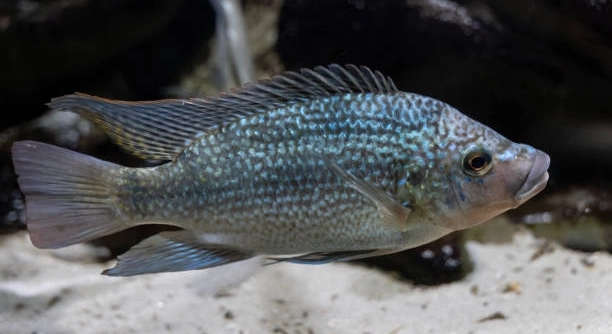
Do you ever notice convict cichlids becoming restless when their environment changes too quickly, affecting their behavior, color, and overall health in ways that feel sudden and concerning for attentive aquarium keepers at home tanks.
Rapid changes such as sudden water parameter shifts, aggressive tankmate additions, abrupt decor rearrangements, inconsistent feeding schedules, sharp temperature swings, lighting adjustments, and handling disrupt convict cichlids stability, elevating stress hormones, suppressing immunity, and provoking defensive behaviors within aquarium systems.
Recognizing these stressors helps protect their wellbeing and guides practical adjustments that create calmer, healthier aquariums over time for keepers.
Sudden Water Parameter Shifts
I have seen convict cichlids react almost immediately when water parameters change without warning. Rapid shifts in pH, hardness, or ammonia levels disturb their internal balance and trigger visible stress. Colors may dull, appetite can drop, and territorial behavior often increases. These fish rely on stable conditions to regulate breathing, digestion, and immune response. When water changes are too large or untreated, their bodies work harder to adapt, leading to exhaustion over time. Even well intentioned maintenance can cause problems if temperature and chemistry are not matched carefully. Consistency matters more than perfection in daily care. Small, regular water changes help maintain stability while reducing waste buildup. Using dechlorinated water and testing parameters before and after maintenance supports predictable conditions. This approach creates a calmer environment where convict cichlids can focus on normal behaviors like pairing, guarding territory, and feeding steadily, for long term aquarium health and overall fish stability.
Sudden water changes are among the fastest ways to upset convict cichlids. Stability allows their bodies to function efficiently, while inconsistency promotes stress responses that influence aggression, breeding behavior, and disease susceptibility within enclosed aquarium environments, especially in small tanks with limited dilution capacity and biological filtration systems present daily.
I have learned that testing water regularly prevents many avoidable issues. Simple test kits reveal trends before fish show distress. Matching temperature during water changes reduces shock and preserves metabolic balance. Gradual adjustments give convict cichlids time to adapt without panic. Scheduling maintenance on consistent days reinforces predictability. Avoiding sudden chemical treatments unless absolutely necessary also limits strain. When stability becomes routine, these fish display stronger coloration, better appetite, and calmer territorial displays. Over time, this steady approach supports longevity and reduces the likelihood of chronic stress related conditions developing in home aquariums, with consistent care habits maintained long term.
Abrupt Tankmate Additions
Adding new fish without preparation can immediately disrupt convict cichlids social balance. They establish territories quickly and defend them firmly. Unexpected introductions raise stress, provoke aggression, and force constant vigilance, especially when size, temperament, or breeding status differ within confined aquarium spaces where escape routes remain limited and competition intensifies.
I have noticed that convict cichlids respond best when tankmate changes happen slowly and intentionally. Quarantine periods reduce disease risk and allow observation before introduction. Rearranging decor slightly before adding new fish can reset territorial boundaries and lower immediate conflict. Introducing fish during feeding times may also distract aggressive responses. Monitoring behavior closely during the first days is essential, as early signs of stress often appear subtly. Flaring gills, hiding, or reduced feeding indicate discomfort. Removing problematic fish promptly prevents escalation. Stocking decisions should always consider tank size, filtration capacity, and existing pair bonds. Overcrowding amplifies tension and weakens immune response. Choosing compatible species with similar water needs and temperament helps maintain harmony. When social structure remains predictable, convict cichlids conserve energy, display natural behaviors, and maintain stable health. Thoughtful planning reduces disruptions and supports a balanced aquarium environment long term. This approach has helped me avoid unnecessary losses and constant interventions. Patience during adjustments allows fish to settle without repeated stress spikes. Clear observation, restraint, and consistency protect long term stability and reduce maintenance demands while supporting reliable breeding behavior and predictable daily activity patterns within mixed community tanks under controlled conditions over extended periods of captive care management.
Rapid Temperature Fluctuations
Rapid temperature changes place immediate strain on convict cichlids metabolism. Sudden drops or spikes affect breathing, digestion, and immune response. Heaters malfunctioning or water changes done without matching temperature often cause visible stress reactions and increased aggression within hours, leading to long term health decline if repeated frequently in tanks.
I have noticed that convict cichlids become restless when heaters cycle unpredictably. Temperature instability disrupts enzymatic processes essential for energy use. Fish may hover near heaters or gasp near the surface. Consistent warmth supports digestion and immune defense. Setting reliable heaters and using thermometers prevents silent problems. During water changes, preheating replacement water avoids shock. Even small fluctuations accumulate stress over time. Maintaining a narrow temperature range allows convict cichlids to focus on normal behaviors rather than constant physiological adjustment, which preserves strength and supports stable breeding pairs in captivity and reduces long term losses in home aquariums over time.
I personally stick to gradual adjustments because stability shows clear results. Convict cichlids display stronger colors and calmer movement when temperatures remain steady. Spawning behavior improves and feeding becomes predictable. Using backup heaters reduces risk during failures. Seasonal room temperature shifts should also be monitored closely. Avoid placing tanks near windows or vents. These small precautions limit daily fluctuations. Over months, steady temperature management reduces disease outbreaks and minimizes the need for medication, creating a more resilient aquarium environment overall that supports long term health and consistent behavior in captive convict cichlids across different tank setups and sizes over years.
Inconsistent Feeding Schedules
Inconsistent feeding patterns confuse convict cichlids and disrupt digestion. Irregular timing or portion sizes affect metabolism and increase aggression. Skipped meals followed by overfeeding strain internal organs. Food competition intensifies stress, especially in paired fish. Predictable feeding routines help regulate energy use, reduce territorial disputes, and support balanced growth in confined aquarium systems. Consistency also limits waste buildup and preserves water quality stability daily for long term fish health in home aquariums over time periods.
I have found that feeding at the same times each day creates calmer behavior. Convict cichlids quickly learn routines and anticipate meals without panic. Measured portions prevent overeating and reduce waste accumulation. High protein foods should be offered consistently, not sporadically. Sudden diet changes may upset digestion and alter behavior. Rotating foods gradually supports nutrition without shock. Observing feeding responses helps detect stress early. When schedules remain steady, fish maintain healthy weight, show reliable breeding behavior, and interact with less hostility. Consistency simplifies maintenance and supports long term aquarium stability. It also allows better planning and reduces sudden parameter swings linked to excess feeding, which protects water quality and minimizes stress responses over extended periods in mixed and species specific tanks under consistent care routines.
Sudden Lighting Changes
I have noticed convict cichlids react quickly to abrupt lighting changes. Lights switching on suddenly or extended darkness increases stress and skittish movement. Their eyes and circadian rhythm need gradual transitions. Timers and dim ambient light help prevent panic behaviors and unnecessary territorial displays during daily aquarium management routines cycles.
Consistent lighting schedules stabilize feeding, breeding, and rest cycles. Sudden intensity changes may cause hiding or aggression. I prefer gradual ramp timers to mimic natural dawn and dusk. Stable light duration also limits algae growth and supports overall tank balance for long term aquarium health and reduces visual stress responses.
Frequent Decor Rearrangement
Frequent decor rearrangement disrupts established territories and increases defensive behavior in convict cichlids. These fish memorize shelter locations and boundary lines. When rocks or caves move suddenly, stress rises and conflicts intensify. I limit changes to essential maintenance only. If adjustments are needed, I move items gradually. Providing stable hiding spots supports pair bonding and fry protection. Constant layout changes force repeated dominance displays and energy loss. Predictable structure allows convict cichlids to feel secure, conserve energy, and maintain normal feeding patterns. Stability in decor also reduces injuries from repeated chasing in confined spaces within small home aquarium environments long.
Excessive Handling and Netting
Excessive handling or frequent netting causes immediate stress responses in convict cichlids. Chasing disrupts breathing and damages protective slime coats. I avoid unnecessary capture and rely on observation instead. Minimizing interference preserves trust, reduces injury risk, and supports consistent behavior patterns over time within stable aquarium care routines daily management.
FAQ
How quickly do convict cichlids react to sudden changes?
Convict cichlids respond very fast to environmental changes. I have observed behavior shifts within hours when temperature, lighting, or water parameters change abruptly. These reactions include hiding, increased aggression, reduced feeding, and rapid swimming. Their nervous system is highly sensitive to instability. Because aquariums are closed systems, changes feel more intense than in natural habitats. Even small adjustments can feel overwhelming if they happen suddenly. This is why gradual transitions are essential. Predictability allows their bodies to maintain balance without constant stress responses. Over time, repeated fast changes weaken resilience and shorten lifespan.
Can frequent water changes upset convict cichlids?
Yes, frequent water changes can upset convict cichlids if they are too large or poorly matched. I learned that changing too much water at once alters chemistry and temperature rapidly. This disrupts breathing and digestion. Smaller, consistent changes work better. Matching temperature and treating water properly prevents shock. Frequency matters less than consistency. A steady routine keeps conditions familiar. When water changes are controlled, convict cichlids remain calm and continue normal feeding and territorial behavior without interruption.
Why do convict cichlids become aggressive after tank changes?
Aggression often increases because tank changes disrupt territory boundaries. Convict cichlids rely on memory of space. When decor moves or tankmates change, they must reestablish dominance. This process demands energy and increases stress. I have seen pairs defend areas more aggressively after rearrangements. The aggression is not random. It is a protective response. Reducing sudden changes lowers the need for constant defense. Stable layouts allow social structure to remain intact and reduce repeated confrontations.
Does lighting really affect convict cichlid stress levels?
Lighting plays a larger role than many realize. Sudden bright light startles convict cichlids and disrupts rest cycles. I noticed calmer behavior when lighting followed a consistent schedule. Timers prevent sudden exposure and darkness. Stable lighting supports feeding rhythm and breeding behavior. Irregular light confuses internal clocks, leading to restlessness. Over time, this stress compounds. Controlled lighting creates a predictable daily pattern that helps convict cichlids remain relaxed and active at appropriate times.
How does inconsistent feeding affect their behavior?
Inconsistent feeding disrupts metabolism and increases competition. I observed more chasing and dominance displays when feeding times varied. Skipped meals followed by heavy feeding strain digestion. Predictable portions reduce stress and waste buildup. Convict cichlids learn routines quickly. When feeding remains consistent, they approach food calmly. This reduces aggression and supports stable growth. Routine feeding also makes it easier to detect health issues early through appetite changes.
Is handling really that harmful for convict cichlids?
Handling is stressful because it removes control and damages protective layers. I avoid netting unless necessary. Chasing causes rapid breathing and exhaustion. Even brief handling can lead to infections due to slime coat damage. Observation works better for routine monitoring. Limiting interference allows convict cichlids to feel secure. Less handling results in steadier behavior and fewer injuries. It also reduces long term stress accumulation.
Can tank size influence how fast changes affect them?
Tank size strongly influences stress intensity. Smaller tanks experience faster parameter shifts. I noticed changes feel harsher in limited water volume. Waste builds faster and temperature shifts more quickly. Larger tanks dilute fluctuations and provide more stable conditions. Adequate space also reduces territorial pressure. Providing proper tank size gives convict cichlids room to establish boundaries and escape stressors more effectively.
Do convict cichlids adapt to stress over time?
They can adapt to mild stress, but repeated fast changes prevent recovery. I have seen fish tolerate gradual adjustments well. However, constant instability overwhelms adaptive capacity. Instead of adapting, they show chronic stress signs. These include faded color and weakened immunity. Stability allows recovery between minor disturbances. Without it, stress becomes cumulative and harmful.
What is the safest way to introduce changes?
The safest approach is slow and deliberate adjustments. I make one change at a time and observe responses. Gradual transitions allow physiological balance. Testing before and after changes helps maintain control. Consistency in timing and method reduces surprise. This approach minimizes stress and preserves normal behavior patterns.
How long does it take for convict cichlids to recover from stress?
Recovery time varies based on severity. Mild stress resolves within days when conditions stabilize. More intense stress may take weeks. I look for appetite return and calmer movement as signs of recovery. Stability speeds healing. Avoiding further changes during recovery is critical. Patience allows convict cichlids to regain strength and confidence naturally.
Final Thoughts
Maintaining stable conditions for convict cichlids is not about perfection, but about consistency. Over time, I have learned that these fish respond best to predictable care routines that limit sudden changes. Water quality, temperature, lighting, feeding, and tank structure all work together to create a sense of safety. When these elements remain steady, convict cichlids conserve energy and display natural behavior. Stress often comes from well meaning actions done too quickly. Slowing down adjustments reduces unnecessary strain and supports long term health. A calm environment allows their immune system to function properly and reduces aggressive displays. Stability also simplifies maintenance, as fewer problems arise when conditions remain familiar. Small habits practiced consistently make a noticeable difference in behavior and appearance over time.
It is easy to underestimate how quickly captive environments can change. Aquariums are closed systems, and even minor actions can have amplified effects. I have found that observation is one of the most valuable tools in fish care. Watching daily behavior helps identify stress before it becomes severe. Subtle signs like reduced appetite, hiding, or increased aggression often signal imbalance. Addressing these signs early prevents long term damage. Convict cichlids are resilient when given time to adjust, but repeated fast changes limit recovery. Care routines should prioritize gradual transitions and controlled timing. Testing water regularly and keeping simple records can reveal patterns that are otherwise missed. This approach creates a sense of control and confidence in daily care decisions.
A stable aquarium benefits both the fish and the keeper. When convict cichlids feel secure, they display stronger colors, predictable feeding behavior, and calmer interactions. This makes the aquarium more enjoyable to observe and easier to manage. Over time, fewer interventions are needed, and the system becomes more self sustaining. I find that patience plays a major role in success. Allowing time between changes gives fish the opportunity to adjust without pressure. Long term care is built on small, thoughtful actions repeated consistently. By respecting the sensitivity of convict cichlids to fast changes, it becomes easier to support their health and natural behavior. This steady approach encourages balance, reduces stress related issues, and promotes a healthier aquarium environment that remains stable and rewarding over extended periods.

Hello,
If you enjoy the content that we create, please consider saying a "Thank You!" by leaving a tip.
Every little bit helps us continue crafting quality advice that supports the health, happiness, and well-being of pets around the world, for pets of all shapes, sizes, and species.
We really appreciate the kindness and support that you show us!