
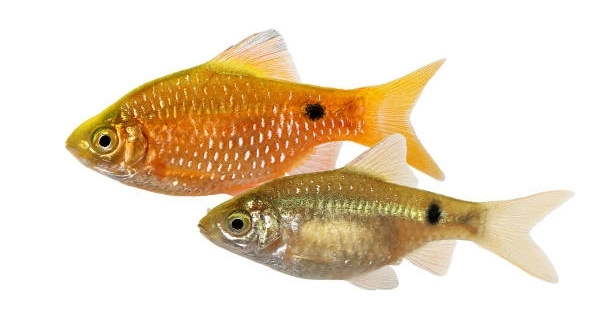
Rosy barbs are popular freshwater fish known for their lively behavior and bright colors. Sometimes, their activity can become overly aggressive or stressful, which may affect their health and tank harmony. Recognizing simple ways to calm them is important for any aquarist.
Quick adjustments such as reducing tank crowding, optimizing water quality, providing ample hiding spots, moderating feeding amounts, maintaining stable temperatures, minimizing sudden changes, and introducing compatible tank mates can significantly improve the calmness and well-being of rosy barbs.
These practical steps will help create a peaceful environment where your rosy barbs can thrive happily and healthily.
Reduce Tank Crowding
Overcrowding can make rosy barbs feel stressed and lead to aggressive behavior. These fish need enough space to swim freely without feeling threatened by their tank mates. Ideally, allow at least 10 gallons of water per rosy barb. This helps keep water quality stable and reduces competition for food and territory. When there are too many fish in a tank, waste builds up quickly, leading to poor water conditions that can further stress the fish. Reducing the number of fish or upgrading to a larger tank provides a calmer, healthier environment for rosy barbs. You will notice less chasing and nipping when your fish have room to spread out and settle comfortably.
Providing enough space supports their natural behavior and promotes peaceful coexistence. A less crowded tank reduces stress and improves their overall health and coloration.
Managing the population in your tank is a simple yet effective way to maintain calm and balance among your rosy barbs.
Optimize Water Quality
Maintaining clean, well-filtered water is essential to keeping rosy barbs calm and healthy. Poor water conditions cause stress, which can trigger frantic or aggressive behavior. Regular water changes and a good filtration system remove toxins and keep ammonia, nitrite, and nitrate levels low. Checking water parameters weekly ensures the environment remains stable. Using a water test kit helps monitor pH, hardness, and temperature. Stable water conditions reduce stress hormones in fish, promoting more peaceful interactions. Keeping the tank clean also prevents diseases that might increase fish agitation. Consistent maintenance creates a safe and comfortable habitat, making your rosy barbs feel secure.
Provide Hiding Spots
Hiding spots help rosy barbs feel safe and reduce stress. They need places to retreat when they feel threatened or overwhelmed.
Adding plants, caves, or decorations gives them shelter and a chance to relax away from aggressive tank mates. Natural or artificial plants create a comfortable environment that mimics their natural habitat. Hiding places also reduce chasing, as fish are less likely to constantly pursue one another when they have a safe retreat.
These shelters encourage calmer behavior and help fish establish territories without conflict. When rosy barbs have enough places to hide, they are less anxious and more balanced in their interactions. This improves the overall atmosphere in the tank, making it more enjoyable to watch your fish thrive peacefully.
Moderate Feeding Amounts
Feeding too much or too little can affect rosy barb behavior. Overfeeding leads to excess waste, which harms water quality and increases stress. Feeding too little can cause competition and aggression as fish fight for food.
It is best to offer small amounts of food two to three times daily, only as much as they can eat within a few minutes. Balanced nutrition supports health and reduces hunger-driven aggression. Uneaten food should be removed promptly to prevent water pollution. Monitoring feeding habits helps maintain stable water conditions and prevents behavioral issues linked to diet. Proper feeding is a simple but effective way to support calmer, healthier rosy barbs in your aquarium.
Maintain Stable Temperatures
Consistent temperature is key for rosy barbs’ calm behavior. Sudden changes cause stress and agitation.
Keeping the water between 74°F and 78°F helps maintain their natural rhythm and reduces erratic movements.
Minimize Sudden Changes
Rapid changes in water parameters, lighting, or decorations can upset rosy barbs. Gradual adjustments allow them to adapt without stress. Avoid moving tank elements too often, and introduce changes slowly to keep the environment stable and peaceful.
Introduce Compatible Tank Mates
Choosing peaceful fish that share similar water needs prevents bullying and aggression. Avoid overly aggressive species that might provoke your rosy barbs. Keeping compatible tank mates supports harmony and helps calm overall tank dynamics.
FAQ
How many rosy barbs should I keep in one tank?
Rosy barbs are active, social fish that do best in groups of at least six. This helps reduce aggression because they spread out their energy and focus on each other rather than one fish becoming a target. Avoid overcrowding by allowing at least 10 gallons per fish. Smaller groups may lead to increased chasing or bullying since there are fewer fish to share attention. Providing enough space and group size keeps them calmer and more balanced in behavior.
What are signs of stress in rosy barbs?
Common signs include frantic swimming, hiding excessively, loss of color, fin clamping, and aggressive chasing. Stressed fish may also stop eating or develop health problems. Observing your fish regularly helps catch stress early. If you notice any of these signs, check water quality, tank conditions, and compatibility with other fish. Early intervention can prevent long-term harm and help restore calm behavior.
How often should I clean the tank to keep rosy barbs calm?
Perform partial water changes of 20–30% weekly or biweekly, depending on tank size and stocking levels. Cleaning removes toxins and keeps water clear, reducing stress. Avoid full water changes unless necessary, as drastic shifts can upset the fish. Regular filter maintenance is also important to keep water flowing and free of waste. A clean tank environment supports calm and healthy fish.
Can certain plants help reduce rosy barb aggression?
Yes, live plants like Java fern, Anubias, and hornwort provide natural hiding spots and break sight lines. This helps fish feel secure and less likely to chase each other. Plants also improve water quality by absorbing nitrates and providing oxygen. Using a variety of plants creates a more natural and peaceful habitat, encouraging calmer behavior.
Is tank size really that important for rosy barbs?
Absolutely. A larger tank provides space to swim and establish territories without constant conflict. Small tanks increase stress and aggression due to limited room and poor water quality. A minimum of 30 gallons for a small group is recommended. Bigger tanks give your fish more freedom, reduce territorial disputes, and create a stable environment where they can thrive peacefully.
How does temperature affect rosy barb behavior?
Temperature influences metabolism and activity levels. When the water is too warm, fish become more active and may show aggressive behavior. Too cold, and they become sluggish and stressed. Maintaining a steady temperature between 74°F and 78°F ensures they stay comfortable and behave calmly. Avoid sudden temperature changes, which can shock the fish and increase stress.
What types of food keep rosy barbs calm and healthy?
A varied diet including high-quality flakes, pellets, and occasional live or frozen foods like brine shrimp or bloodworms supports their health. Overfeeding should be avoided, as excess food pollutes the water and can cause aggression related to competition. Balanced nutrition boosts immune systems and keeps energy levels steady, promoting peaceful tank behavior.
How do I introduce new fish to a tank with rosy barbs?
Introduce new fish slowly by quarantining them for a few weeks to prevent disease spread. When adding them to the main tank, rearrange decorations to disrupt established territories. This reduces aggression and helps fish adjust to each other. Monitor interactions closely at first and separate fish if aggression becomes excessive. Proper introduction helps maintain a calm and stable community.
Can sudden noises or vibrations affect rosy barb behavior?
Yes, sudden loud noises or vibrations can startle fish, causing stress and frantic swimming. Place tanks in quiet areas away from heavy foot traffic, loud appliances, or speakers. Covering the tank partially with plants or decorations can help buffer vibrations. Minimizing disturbances creates a peaceful environment and reduces anxiety in your rosy barbs.
Are there specific tank mates to avoid with rosy barbs?
Avoid highly aggressive or very small fish that can be bullied or eaten. Species like large cichlids or aggressive barbs can cause stress. Very small fish like neon tetras may be nipped or chased. Choose peaceful, similarly sized fish with matching water needs to keep a calm community tank. Good tank mates contribute to the overall harmony and reduce aggressive incidents.
Final Thoughts
Keeping rosy barbs calm is important for their health and for a peaceful aquarium environment. Simple adjustments in their care and tank setup can make a big difference in how they behave. Reducing overcrowding, maintaining good water quality, and providing hiding spots help create a stable and comfortable home for these fish. When their basic needs are met, rosy barbs are less likely to show stress or aggression. It is important to pay attention to their environment regularly to catch any problems early and make necessary changes.
Stable water conditions are key to calmer fish. Regular water changes and monitoring of temperature, pH, and other water parameters keep the tank safe and comfortable for rosy barbs. Sudden changes or poor water quality cause stress, which often leads to aggressive or erratic behavior. Keeping a clean tank and feeding a balanced diet also supports their health and reduces the chance of conflict. Adding plants or decorations for hiding spots helps fish feel secure and less threatened. These small changes can improve the atmosphere for both the fish and the owner.
Choosing compatible tank mates and introducing new fish carefully helps maintain harmony. Rosy barbs do best with peaceful fish of similar size and water needs. Avoiding aggressive species prevents bullying and stress. When new fish are added, rearranging the tank and monitoring behavior keeps everyone safe. With consistent care, attention, and small adjustments, your rosy barbs can live in a calm, healthy environment. A peaceful tank makes the aquarium more enjoyable and ensures your fish thrive over time.

Hello,
If you enjoy the content that we create, please consider saying a "Thank You!" by leaving a tip.
Every little bit helps us continue crafting quality advice that supports the health, happiness, and well-being of pets around the world, for pets of all shapes, sizes, and species.
We really appreciate the kindness and support that you show us!