
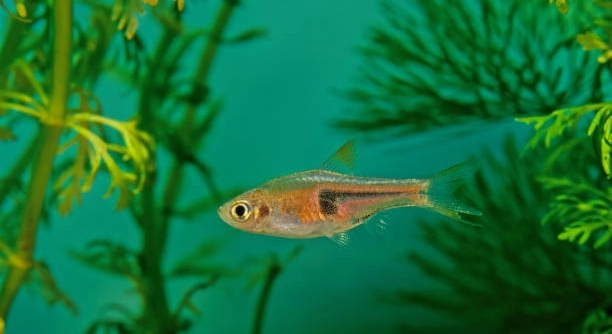
Have you ever watched your rasbora swim in its tank and noticed how it reacts to its reflection? These small fish have unique behaviors when they see themselves in mirrors. Their responses can reveal interesting insights about their nature.
Rasboras exhibit a variety of reactions to mirrors, including curiosity, aggression, and social behaviors. These responses help researchers understand their territorial instincts and social interactions within confined environments, providing valuable information about their behavioral patterns.
Exploring these reactions sheds light on the fascinating ways rasboras perceive their environment and interact with reflections. Understanding this can enhance how we care for these lively fish in home aquariums.
Curiosity and Exploration
Rasboras are naturally curious fish, and when they encounter a mirror, this trait often shines through. At first glance, they may swim close and inspect their reflection as if meeting another fish. This behavior shows their interest in new stimuli in their environment. Some rasboras may repeatedly approach the mirror, turning it into an object of exploration rather than just a reflection. Their movements tend to be cautious but persistent, suggesting they are trying to understand what they see. This kind of interaction is a good sign that the fish is mentally engaged and not stressed. In an aquarium setting, providing mirrors occasionally can offer enrichment, but it should not be constant. Continuous exposure might confuse or tire the fish, so using mirrors for short periods can keep their environment stimulating without causing harm.
Their natural curiosity means mirrors can briefly spark mental activity without causing distress if used properly.
Using mirrors sparingly encourages exploration and adds a simple form of mental exercise for rasboras, improving their overall well-being in captivity.
Aggressive Displays
Rasboras sometimes show aggression when they see their reflection. They may flare fins, dart quickly, or try to chase the “other fish” they believe is invading their space. This response is more common in males during breeding seasons when they are more territorial. The mirror triggers their instinct to defend territory against a perceived rival. This behavior highlights their natural drive to protect their space and assert dominance. However, in a small tank, constant exposure to a mirror can increase stress, leading to exhaustion or injury from repeated aggressive displays. Limiting mirror exposure helps prevent these negative effects. Recognizing this aggressive reaction is important for anyone keeping rasboras so they can manage the environment to reduce unnecessary stress and promote harmony among tank mates.
Mirrors reveal the territorial instincts of rasboras but should be used carefully to avoid stress and injury.
Social Interaction
Rasboras often respond to their reflection by displaying social behaviors. They may swim alongside the mirror image as if it were a companion. This reaction shows their instinct to seek connection and interact within their group.
These fish are schooling species, meaning they feel safer and more comfortable when surrounded by others. Seeing their reflection can simulate the presence of another fish, which temporarily satisfies their social needs. However, this illusion is limited because the reflection doesn’t behave like a real fish. Over time, rasboras might lose interest if the mirror stays in the tank too long, realizing the reflection does not respond naturally. It is helpful to provide live tank mates to support their social behavior in a more meaningful way.
Using mirrors for short sessions can encourage social instincts but cannot replace actual companionship. Proper tank mates are essential for a healthy, balanced environment where rasboras thrive.
Stress and Mirror Exposure
Prolonged mirror exposure can increase stress levels in rasboras. Constantly seeing their reflection may cause confusion or anxiety, as they repeatedly try to interact or defend territory against a non-existent fish.
Stress weakens their immune system and can lead to illness or behavioral problems, such as hiding or erratic swimming. It’s important to monitor how your rasboras react and limit mirror time. Avoid leaving mirrors in the tank for long periods to prevent chronic stress.
Regular breaks from mirror exposure allow the fish to relax and return to normal behavior. Creating a calm, stable environment helps rasboras feel secure and reduces unnecessary stress from environmental triggers like reflections.
Mirror Recognition
Rasboras do not recognize themselves in mirrors. Instead, they perceive their reflection as another fish. This lack of self-awareness is common in many fish species. Their reactions are based on instinct, not understanding the reflection is their own image.
This explains why they might show curiosity or aggression, responding as if the mirror image is a real opponent or companion.
Effect on Breeding Behavior
The presence of a mirror can sometimes influence breeding behavior. Male rasboras may display brighter colors and more active courtship when they see their reflection. This reaction is triggered by the perceived competition or the need to impress what they think is another fish.
While this can stimulate natural behaviors, it should be monitored to avoid prolonged stress. The mirror’s effect is temporary and should not replace real environmental conditions for successful breeding.
Using Mirrors Safely
Limit mirror exposure to short, controlled periods to prevent stress and aggression in rasboras.
FAQ
How long should I expose my rasbora to a mirror?
Short periods are best, usually no longer than 10 to 15 minutes at a time. Prolonged exposure can lead to stress or exhaustion because the fish keeps reacting to a reflection that doesn’t change or respond naturally. Using mirrors occasionally can provide enrichment without overwhelming them.
Can mirrors help reduce aggression in a tank?
Not really. Mirrors often increase aggressive displays because the fish thinks the reflection is a rival. This can make territorial males more defensive or stressed. It’s better to manage aggression by choosing compatible tank mates and providing enough space rather than relying on mirrors.
Is it harmful if my rasbora constantly attacks the mirror?
Yes, repeated attacks on a mirror can cause stress and physical damage over time. The fish may become tired or injured from aggressive behavior directed at its reflection. Limiting mirror time and removing it if aggression becomes severe is important to keep your rasbora healthy.
Do all rasbora species react the same way to mirrors?
Reactions vary depending on the species and individual temperament. Some species are more curious and less aggressive, while others show stronger territorial behavior. Observing your specific rasbora’s response will help you understand how best to use mirrors or if it’s better to avoid them altogether.
Can mirrors replace the need for tank mates?
No. While mirrors can temporarily stimulate social behavior, they cannot replace the benefits of real companions. Rasboras are schooling fish that thrive with others of their kind or compatible species. Social interaction with real fish supports their mental and physical health much more effectively.
Will mirrors help in breeding rasboras?
Mirrors may encourage males to show breeding colors and courtship behavior by simulating competition. However, they do not replace natural conditions needed for breeding, like proper tank setup, water quality, and the presence of females. Use mirrors only as a minor tool and not a solution for breeding success.
How can I tell if my rasbora is stressed by mirror exposure?
Signs include hiding more often, frantic or erratic swimming, loss of appetite, or dull coloration. If these behaviors increase after introducing a mirror, it’s a sign the fish is stressed. Remove the mirror and give the fish time to calm down and adjust.
Are there safer alternatives to using mirrors for enrichment?
Yes, providing a well-planted tank, varied hiding spots, and live tank mates offer better mental stimulation. Changing tank decorations occasionally or introducing safe toys designed for fish can also keep your rasbora engaged without causing stress linked to mirror use.
Can mirror use cause permanent behavioral changes?
Extended and frequent exposure to mirrors may reinforce aggressive or anxious behaviors. Over time, this can lead to lasting stress or fearfulness in your fish. Using mirrors occasionally and carefully avoids negative impacts and supports healthier behavior patterns.
Should I use a mirror if I keep multiple rasboras?
If you have a healthy group, mirrors are usually unnecessary and may disrupt the social balance by causing confusion or competition. Focus on maintaining a stable group dynamic instead. Mirrors are more often used in tanks with single fish for brief enrichment purposes.
Rasboras show many interesting behaviors when they see their reflection in a mirror. These reactions range from curiosity to aggression, depending on the situation and the fish itself. Mirrors can give us a glimpse into how these small fish think and react to new things in their environment. It is clear that while they don’t understand that the image is their own reflection, their natural instincts guide their behavior. Observing these reactions helps us learn more about their social and territorial needs, which is useful for keeping them healthy and happy in an aquarium.
Using mirrors with rasboras should be done carefully and in moderation. Short periods of mirror exposure can provide mental stimulation and encourage natural behaviors like exploration and courtship displays. However, too much mirror time can cause stress or aggression. This is because the fish repeatedly respond to a “rival” that never changes or leaves. Stress can harm their health and lead to problems like illness or changes in behavior. It is important to watch how your rasbora reacts and to limit mirror use to avoid negative effects. Mirrors are just one tool among many to enrich your tank environment.
Ultimately, the best way to support your rasbora is by providing a balanced and stable home. This includes good water quality, enough space, plants, hiding places, and proper companions. Mirrors may offer occasional interest, but real social interaction with other fish is much more important. Understanding the way rasboras react to mirrors can help you avoid problems and create a better environment for them. Paying attention to their behavior and needs will keep your fish healthy and lively over time.

Hello,
If you enjoy the content that we create, please consider saying a "Thank You!" by leaving a tip.
Every little bit helps us continue crafting quality advice that supports the health, happiness, and well-being of pets around the world, for pets of all shapes, sizes, and species.
We really appreciate the kindness and support that you show us!