
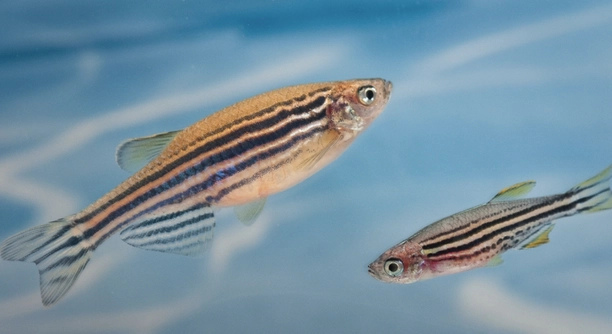
Zebra Danios are popular freshwater fish known for their playful nature and vibrant colors. Their mating rituals are fascinating and crucial to their reproductive process, offering insights into their behavior and communication.
Zebra Danio mating rituals are initiated when males chase females, displaying bright colors and rapid movements. This behavior is part of the courtship process, where males entice females to spawn by swimming alongside them and nudging their bellies.
Understanding these rituals can provide a deeper understanding of their behavior and enhance the breeding process.
The Role of Male Zebra Danios in Mating Rituals
Male Zebra Danios play an active role in attracting mates through their behavior. They will often chase females around the tank, flashing their colorful stripes in an attempt to catch her attention. This courtship display is essential for breeding. As males swim rapidly and engage in aggressive behaviors, they are signaling their readiness to reproduce.
The males will also perform quick, darting movements to stimulate the females into spawning. This behavior typically increases in intensity as the male becomes more eager.
Once the male successfully attracts the female, he will follow her closely and nudge her abdomen to encourage egg release. The male then fertilizes the eggs externally as they are released. This act of nudging and close following is a key part of their mating process, ensuring fertilization. Both males and females play their roles, and without this coordination, breeding may not occur successfully.
Female Zebra Danio Behavior During Mating
Female Zebra Danios respond to the male’s display by appearing receptive when they are ready to spawn. Females will often show their readiness by swimming in a more relaxed manner.
When ready to spawn, females release their eggs into open spaces in the tank. The males immediately follow, fertilizing the eggs outside of the female’s body.
Timing and Environmental Factors Affecting Mating
Zebra Danios are more likely to breed when the water temperature is slightly higher, typically between 75°F and 80°F. This increase in temperature mimics the natural conditions of their native habitats.
Lighting is also an important factor. A consistent light cycle, mimicking day and night, helps regulate their mating behavior. Danios tend to breed during early morning hours when natural light would be most prominent.
Water quality cannot be overlooked either. The water should be clean and free of excess nutrients. Frequent water changes ensure that the Danios are comfortable and ready to breed. Keeping the tank clean is essential for encouraging natural spawning behaviors.
Preparing the Tank for Breeding
To stimulate breeding, it’s important to set up the right environment. Providing plenty of plants and spaces for hiding encourages both males and females to feel secure. A well-planted tank mimics their natural environment and increases breeding chances.
A separate breeding tank is ideal. By setting up a smaller, separate tank with fine-leafed plants or a spawning mat, you help the eggs stay safe and prevent them from being eaten by adult Danios. Ensuring that the water temperature and light conditions are optimal will help the Danios feel comfortable.
The Role of Movement in Mating
Male Zebra Danios use rapid swimming to attract the attention of females. The faster they move, the more noticeable they become. This behavior is crucial for getting a female’s attention. The males also use their colorful stripes to emphasize their display, helping to show off their fitness.
The male’s movements often include darting, chasing, and circling the female. This display is repeated until the female becomes receptive. The faster and more erratic the movements, the greater the chance of engaging the female in spawning behavior.
Mating and Spawning Behavior
Once a female is receptive, she will swim alongside the male. At this point, the male may nudge her abdomen to encourage her to release her eggs. The female then releases the eggs into the water, where the male fertilizes them.
It is essential to note that Zebra Danios spawn in a group, and this behavior increases the chances of successful fertilization. The fish scatter the eggs, ensuring that fertilization occurs in open water, which is why they often lay eggs in various locations within the tank.
Post-Spawning Care
After the spawning process, it’s best to remove the adult Danios from the breeding tank. If left in the tank, they may eat the newly laid eggs. Removing them ensures a higher survival rate for the fertilized eggs.
Keeping the water clean and stable is key to ensuring the health of the eggs and eventual fry. A separate tank with dim lighting can help maintain the environment needed for the eggs to hatch properly.
FAQ
What is the ideal water temperature for Zebra Danio breeding?
Zebra Danios breed best in water temperatures between 75°F and 80°F. Keeping the temperature within this range mimics their natural habitat, which encourages reproductive behavior. If the water is too cold, breeding activity may decrease or even stop altogether. A steady temperature is crucial, so using a heater is recommended if the room temperature fluctuates.
How can I tell if my Zebra Danios are ready to breed?
Males typically exhibit brighter colors and increased activity when they are ready to breed. They will chase females and display more aggressive behavior, showing off their stripes. Females become rounder and more visibly swollen when they are carrying eggs, which is a clear sign they are ready to spawn.
Do I need a separate tank for breeding?
Yes, it’s highly recommended to set up a separate breeding tank. This ensures that the eggs are not eaten by the adult Danios and that the water conditions can be tailored to support the eggs and fry. A tank with fine-leafed plants or a spawning mat helps the eggs stay safe.
How many eggs do Zebra Danios lay at once?
Zebra Danios typically lay between 100 to 300 eggs per spawning session. These eggs are released into the water, and fertilization occurs externally. The number can vary depending on the age, size, and health of the female. Larger and more mature females tend to produce more eggs.
How long does it take for Zebra Danio eggs to hatch?
Zebra Danio eggs usually hatch within 2 to 3 days, depending on the water temperature. Warmer water speeds up the process, while cooler water may delay hatching. It’s important to maintain stable conditions to ensure the highest success rate for the eggs.
Can I keep the adult Zebra Danios with the fry?
It’s not recommended to keep adult Danios with the fry. Adults may eat the newly hatched fry if they are not separated quickly. Once the eggs have hatched, it’s better to remove the adult fish to prevent this from happening. The fry are tiny and need a calm environment to grow safely.
What should I feed Zebra Danio fry?
Once the fry are free-swimming, they can be fed specialized fry food, such as infusoria, liquid fry food, or finely crushed fish flakes. It’s essential to feed them small portions frequently since they have tiny stomachs. As they grow, you can gradually introduce larger food types.
How long does it take for Zebra Danio fry to grow?
Zebra Danio fry grow quickly, typically reaching maturity in about 3 to 4 months. They will start showing adult coloration at around 6 weeks old, though they will remain quite small during this stage. The speed of their growth depends on the water conditions and the food they are provided.
Do Zebra Danios need a mate to spawn?
Yes, Zebra Danios need a male and female to successfully spawn. The males initiate courtship and chase the females until they are ready to release eggs. While one male can fertilize eggs from multiple females, you will need both sexes in a healthy, balanced environment to trigger spawning.
Can Zebra Danios breed in a community tank?
Zebra Danios can breed in a community tank, but there are some challenges. The main issue is that other fish may eat the eggs or fry. It’s better to have a tank with few fish or set up a breeding-specific tank to increase the chances of successful reproduction.
What are the signs of unhealthy Zebra Danios?
Signs of an unhealthy Zebra Danio include faded colors, lethargy, difficulty swimming, and loss of appetite. These can indicate stress, poor water quality, or illness. If these symptoms appear, it’s important to check the water parameters and ensure they are within the ideal range for these fish.
Final Thoughts
Zebra Danio breeding is relatively straightforward once the proper conditions are set. They are hardy fish, making them a good choice for breeding, especially for beginner aquarium enthusiasts. The key to successful breeding lies in maintaining optimal water temperature, providing plenty of hiding spaces, and separating the adults from the fry after spawning. By focusing on these essentials, it’s possible to have a healthy population of Zebra Danios in a short time.
While breeding Zebra Danios doesn’t require much intervention, attention to detail is important. The right environment, such as a breeding tank with clean, well-maintained water and proper lighting, helps create the conditions for successful spawning. Paying attention to the behavior of both males and females during courtship ensures the process proceeds as naturally as possible. Ensuring the right food and care for the fry after hatching will also increase their survival rates. Healthy, well-cared-for fry grow quickly and are easy to manage in a stable tank environment.
In conclusion, Zebra Danios offer a rewarding experience for those interested in breeding fish. Their rapid reproduction and adaptable nature make them a popular choice for aquarists. With the right preparation and care, their mating rituals can lead to successful breeding and a thriving tank of new Danio fry.

Hello,
If you enjoy the content that we create, please consider saying a "Thank You!" by leaving a tip.
Every little bit helps us continue crafting quality advice that supports the health, happiness, and well-being of pets around the world, for pets of all shapes, sizes, and species.
We really appreciate the kindness and support that you show us!