
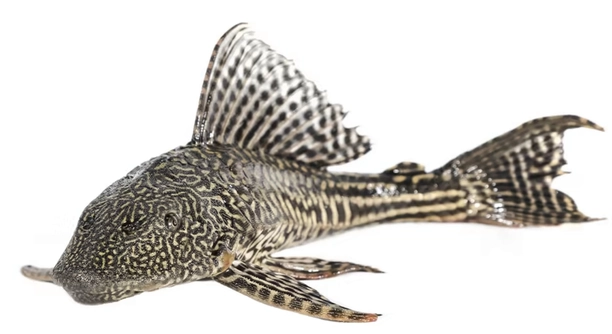
Plecos are fascinating freshwater fish that many aquarium owners adore for their unique appearance and behavior. However, despite their popularity, there are several facts about them that even experienced owners often overlook.
Plecos are often misunderstood when it comes to their care requirements. Many owners fail to realize that these fish need more than just a basic tank setup to thrive. They require ample space, the right water conditions, and a diet suited to their specific needs.
Understanding how to properly care for plecos can ensure they live healthy, happy lives in your tank. There are a few key aspects that many owners miss, but with the right knowledge, you can create the ideal environment for them.
Plecos Need Plenty of Space
Plecos can grow quite large, especially if they are well cared for. Some species, like the common pleco, can reach up to 2 feet in length. Many owners make the mistake of keeping them in tanks that are too small for their size. This can lead to stress and health problems for the fish. A small tank might seem convenient, but it will not allow your pleco to thrive as it should. It’s essential to provide plenty of space for your pleco to move around freely.
A 75-gallon tank or larger is recommended for most plecos. This allows them enough room to grow without overcrowding. It also helps maintain proper water quality, as larger tanks are easier to manage in terms of filtration and water changes.
If you are considering getting a pleco, it’s crucial to plan ahead for the size of the tank they will need. It’s better to start with a larger tank than to upgrade later, which can be stressful for both you and the fish. Additionally, a bigger tank will allow for a more natural environment that plecos will enjoy.
Water Conditions Are Critical
Water temperature and pH levels are vital for plecos.
Plecos prefer slightly warmer water, typically between 75 and 80°F, and a neutral to slightly acidic pH of 6.5 to 7.5. Ensuring the water stays within these ranges helps your pleco feel more comfortable and reduces the risk of illness. Regular water testing is a must to maintain these conditions.
It’s easy to overlook the importance of water parameters, but this is a mistake. Fluctuations in temperature or pH can lead to stress, which weakens your pleco’s immune system. Keeping an eye on these levels and adjusting as needed will help your pleco stay healthy. You can use a heater and water conditioner to maintain the ideal environment for your fish.
Plecos Are Herbivores with Specific Diets
Many people assume that plecos are bottom feeders that will eat whatever scraps they can find in the tank. This is far from the truth. While plecos do consume algae, they require a well-balanced diet that includes more than just algae.
In the wild, plecos graze on plant matter, but in a tank, they need algae wafers, fresh vegetables like zucchini and cucumber, and occasionally protein-rich foods like shrimp or fish pellets. It’s crucial to supplement their diet with these foods to prevent malnutrition. Many plecos will also nibble on aquarium plants, but it’s best to provide them with specific foods to satisfy their dietary needs.
Some owners fail to realize that neglecting proper feeding can lead to health issues, including stunted growth and poor coloration. Keeping a consistent feeding routine with the right foods will ensure your pleco grows healthy and strong. It’s also important to avoid overfeeding, as uneaten food can pollute the water. Proper diet and feeding habits are key for a happy pleco.
Plecos Can Be Nocturnal
Plecos are typically more active at night. This means they often spend their daylight hours hiding in caves, crevices, or behind decorations in the tank. This nocturnal behavior can lead to some confusion for owners who expect their pleco to be active during the day.
If your pleco seems to disappear during the daytime, don’t worry. It’s completely normal for them to rest in darker spots throughout the day. You’ll usually notice more activity after the lights go out. At night, they’ll come out to feed on algae, plants, or any food you’ve provided.
To accommodate this, it’s helpful to provide plenty of hiding places and a well-lit tank to mimic their natural habitat. If your pleco feels safe, it’s more likely to come out and feed at night. This behavior is a good indicator that your pleco is comfortable in its environment and feels secure in the tank.
Plecos Are Sensitive to Water Quality
Plecos are quite sensitive to water quality. Poor water conditions, like high ammonia or nitrite levels, can stress your pleco and lead to disease. Keeping the water clean and properly filtered is crucial for their health.
Regular water changes and using an efficient filtration system are necessary to maintain ideal conditions. Make sure to test the water regularly for ammonia, nitrite, and nitrate levels. High nitrate levels can be harmful over time, so maintaining low levels is essential. A good filtration system not only keeps the water clean but also ensures that your pleco has the best environment possible for thriving.
Avoid overfeeding your pleco, as uneaten food will degrade water quality quickly. Keeping the water in top shape is one of the most important factors in ensuring your pleco’s health and longevity. This will also reduce the chances of common issues like algae overgrowth and diseases.
Plecos Need Proper Tankmates
Not all tankmates are suitable for plecos. While plecos are generally peaceful, they can be territorial, especially when they feel crowded. Some fish species might annoy them or compete for space and food, leading to stress.
It’s important to choose tankmates that won’t outcompete your pleco for food or space. Avoid overly aggressive species or fish that might nip at their fins. Good choices include peaceful fish like tetras or guppies. Always ensure your pleco has enough room to claim its territory without interference from others.
Plecos Produce Large Amounts of Waste
One of the most overlooked aspects of pleco care is the amount of waste they produce. Plecos have a large appetite and will often create a lot of waste, which can quickly pollute the water if not managed properly.
It’s essential to have an efficient filtration system that can handle the additional waste. A good filter will help keep the tank clean and ensure your pleco remains in a healthy environment. Regular water changes are also necessary to maintain water quality. If left unchecked, waste buildup can lead to poor water conditions and stress for your pleco.
Plecos Can Live Long Lives
Plecos can live for many years when given proper care. Some species have been known to live up to 20 years or more in a well-maintained aquarium.
This long lifespan is something many owners don’t anticipate when they first get their pleco. Keeping them healthy for so long requires proper diet, water quality, and a stable environment. This means that a pleco is not just a short-term commitment but a long-term responsibility.
FAQ
How often should I feed my pleco?
Plecos should be fed once or twice a day. They are mainly herbivores, so their diet should include algae wafers, fresh vegetables like zucchini or cucumber, and occasionally, protein-rich foods like shrimp pellets. Ensure you remove any uneaten food after a few hours to avoid water contamination. Overfeeding can lead to poor water quality, so it’s important to monitor their intake closely.
Can plecos live with other fish?
Yes, plecos can live with other peaceful fish, but they should be kept with non-aggressive species. Avoid keeping them with fish that may bully or outcompete them for food. Ideal tankmates include peaceful fish like tetras, mollies, and guppies. However, be cautious of other bottom feeders that may compete for space and food. It’s essential to observe your pleco’s behavior and adjust tankmates accordingly.
Do plecos need a heater in their tank?
Yes, plecos prefer warmer water temperatures between 75-80°F (24-27°C). If you live in a cooler area, you may need a heater to maintain the proper temperature. Sudden temperature fluctuations can stress your pleco and make it more susceptible to diseases. It’s important to monitor the temperature regularly to keep it stable and within the recommended range for plecos.
How can I tell if my pleco is stressed?
Signs of stress in a pleco can include hiding more than usual, reduced appetite, unusual swimming behavior, or lethargy. Stress can be caused by poor water quality, overcrowding, or incompatible tankmates. If your pleco exhibits these signs, it’s essential to check water conditions, reduce stressors, and ensure the tank is properly set up. A pleco in good health will be active, feeding regularly, and displaying natural behavior.
What size tank does my pleco need?
The size of the tank depends on the species of pleco you have. Common plecos, for example, can grow up to 2 feet in length and require a minimum of a 75-gallon tank. Smaller plecos, like the bristlenose pleco, can live in a 30-gallon tank. It’s essential to research the specific species of pleco to determine the appropriate tank size. Overcrowding can lead to stress and poor health.
Do plecos need special lighting?
Plecos don’t require special lighting, but they do appreciate a light cycle that mimics their natural environment. A regular 12-hour light cycle is ideal. However, they are more active at night, so providing plenty of hiding spaces in the tank is crucial. Keep in mind that bright lights may stress out your pleco if they don’t have a place to retreat.
Why is my pleco swimming at the top of the tank?
If your pleco is swimming at the top of the tank, it could be due to low oxygen levels, poor water quality, or stress. Plecos typically prefer to stay near the bottom or mid-level of the tank. Ensure the tank is well-ventilated and that the filter is functioning correctly. If the water quality is poor, conduct a water change to improve conditions.
Can I use tap water for my pleco tank?
Yes, you can use tap water for your pleco’s tank, but it must be treated to remove chlorine and chloramine. These chemicals can harm your pleco. You can use a water conditioner to neutralize them before adding the water to the tank. Additionally, make sure the pH, hardness, and temperature of the water are within the ideal range for your pleco species.
How do I clean my pleco’s tank?
To clean your pleco’s tank, start by removing debris from the substrate using a gravel vacuum. Clean the tank walls with a sponge or algae scraper to remove any algae buildup. Change 25-30% of the water every two weeks to maintain water quality. Clean the filter as per the manufacturer’s instructions. Avoid deep cleaning all parts of the tank at once, as it can disrupt the ecosystem.
Why is my pleco’s skin turning white?
White patches on your pleco’s skin may indicate a fungal or bacterial infection, often caused by poor water conditions or stress. If you notice this, check the water parameters immediately and make necessary adjustments. It may be necessary to treat your pleco with a medicated bath or consult a veterinarian if the condition worsens. White spots can also be a sign of parasites, so prompt action is essential.
How long do plecos live?
Plecos can live anywhere from 10 to 20 years, depending on the species and the care they receive. Providing a proper diet, clean water, and a suitable tank environment can help your pleco reach its full lifespan. Regular maintenance of the tank and monitoring of water quality will ensure that your pleco remains healthy for years.
Final Thoughts
Plecos are unique and interesting fish that can thrive in the right environment. They bring a lot of benefits to an aquarium, such as helping with algae control and adding a bit of character with their calm behavior. However, to keep them healthy, it’s important to understand their specific needs. Many owners miss key aspects of pleco care, like the need for a large tank or the right type of food. By paying attention to these needs, you can ensure your pleco remains healthy and happy for many years.
Taking care of a pleco involves more than just setting up a tank and adding fish. Their tank should be spacious enough to accommodate their potential size, with proper filtration to maintain water quality. Additionally, plecos are sensitive to changes in water temperature and pH levels, which is why regular monitoring is essential. A balanced diet, including algae wafers and fresh vegetables, is crucial for their health. By addressing these factors, you’ll create a thriving environment that allows your pleco to grow and live comfortably.
Understanding your pleco’s behavior and needs is key to fostering a successful aquarium experience. These fish may seem low-maintenance at first glance, but they have specific requirements that must be met. With the right care, your pleco can live a long and healthy life, providing enjoyment and helping to keep your tank clean. Remember to research the specific species you have, as different plecos may have slightly different needs. By doing so, you’ll be well-equipped to care for your pleco and ensure it remains a happy part of your aquatic world.

Hello,
If you enjoy the content that we create, please consider saying a "Thank You!" by leaving a tip.
Every little bit helps us continue crafting quality advice that supports the health, happiness, and well-being of pets around the world, for pets of all shapes, sizes, and species.
We really appreciate the kindness and support that you show us!