
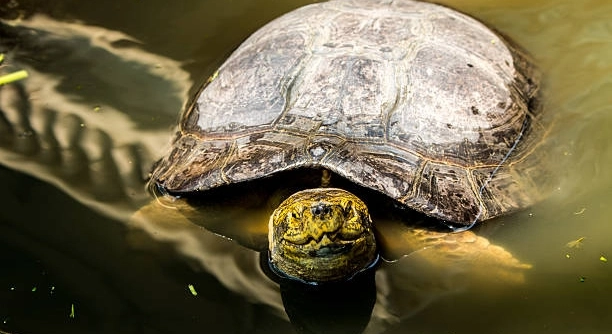
Adopting a second Musk Turtle can be an exciting decision for turtle lovers, but it’s important to understand the responsibility that comes with it. Many factors should be considered to ensure a smooth transition for both you and your new pet.
Before adopting a second Musk Turtle, consider your current turtle’s behavior, tank space, and overall care routine. Proper research on their compatibility, size differences, and dietary needs will ensure that both turtles live peacefully and thrive together.
It’s important to consider all aspects of keeping multiple turtles, from their tank setup to their social behavior. This knowledge will help provide a comfortable environment for your turtles.
Space Considerations for Two Musk Turtles
When you’re thinking about getting a second Musk Turtle, tank space is one of the most important things to evaluate. Turtles need room to swim, bask, and explore. A single Musk Turtle typically needs at least a 40-gallon tank, so if you’re adding another, you should be looking at a 75-gallon tank or larger. Crowding can lead to stress and territorial issues, which may result in aggression or even health problems.
To keep your turtles comfortable, create enough space for each turtle to have their own basking area, swimming space, and hiding spots. Having a large tank not only helps reduce fighting but also ensures a cleaner environment with better filtration. More space also makes it easier to set up an optimal environment for both turtles, reducing the likelihood of issues down the line.
If you’re planning to add a second turtle, remember that the tank setup will need to be more extensive. Adding extra filtration systems, heaters, and appropriate lighting will ensure that the water stays clean and the environment stays warm. You’ll need to be prepared for the extra maintenance, but it’ll pay off in keeping both turtles healthy.
Compatibility Between Turtles
Musk Turtles can be solitary creatures, so introducing a new one should be done carefully. You need to assess whether both turtles will get along.
Not all Musk Turtles have the same temperament. Some are more social, while others are more territorial. If they’re not well-matched, they may engage in aggressive behavior, leading to stress or injury. A gradual introduction with plenty of space and options for hiding is key to preventing conflict.
Tank Maintenance and Cleaning
When adding a second turtle, you’ll need to ramp up your cleaning routine. A larger tank means more waste, and that requires more frequent cleaning to keep the water healthy. Invest in a strong filtration system that can handle the increased load.
A good filter will help maintain water quality, but you’ll still need to do regular water changes, especially if you have multiple turtles. Be sure to clean the tank’s surfaces and accessories, like basking platforms, to prevent the buildup of algae or bacteria. Keeping up with cleaning will help reduce the risk of health issues for both turtles.
With two turtles, you may also want to set up a schedule for water testing. Testing for ammonia, nitrites, and pH levels ensures that the environment remains safe. Regular monitoring of the tank conditions will make sure both turtles stay in a healthy and clean environment.
Feeding and Diet
A second turtle means more mouths to feed, which could lead to more competition for food. You’ll need to monitor their feeding times closely to ensure that each turtle gets enough to eat.
When feeding, offer a balanced diet that includes a mix of pellets, vegetables, and occasional protein sources. Some turtles are pickier than others, so you may need to separate them during meals if one turtle is more dominant and tries to steal the other’s food. This helps prevent stress and ensures both turtles get the nutrition they need. Keep an eye on their weight and adjust portions as needed.
Health Monitoring
With two Musk Turtles, it’s important to stay on top of their health. Check for signs of illness regularly, such as changes in appetite, behavior, or shell condition. Early detection is key to preventing more serious problems.
Separate them if one shows signs of illness. Isolation can prevent the spread of disease and give the sick turtle a chance to recover without stress. If needed, consult a vet with experience in reptiles. Routine check-ups help keep them in good condition and ensure that both turtles stay healthy.
Temperature and Lighting
Ensure that both turtles have access to proper heating and lighting. This is especially important with a second turtle, as both will need separate basking areas to regulate their body temperatures.
Turtles require UVB lighting to help them absorb calcium and maintain shell health. The basking area should be heated to around 85-90°F, while the water temperature should stay between 75-80°F. Be mindful of the lighting schedule to ensure both turtles get the necessary exposure without overcrowding a single area. Proper heat and light management will prevent health issues.
FAQ
Can I keep two Musk Turtles in the same tank?
Yes, but it’s essential to ensure that the tank is large enough for both turtles. A 75-gallon tank or larger is recommended to provide ample space for each turtle. Overcrowding can lead to stress, territorial behavior, and aggression. Make sure each turtle has its own basking area and sufficient space to swim. Keeping the water quality high and providing proper filtration is also crucial when housing more than one turtle.
Do Musk Turtles get along with each other?
It depends on the individual personalities of the turtles. Some Musk Turtles are more social and can live together peacefully, while others can be quite territorial. If you notice aggression or signs of stress, such as biting or hiding more frequently, you may need to separate them. Gradual introductions can sometimes help reduce tension. It’s important to keep an eye on their interactions and be prepared to separate them if needed.
How much should I feed two Musk Turtles?
The amount of food depends on the size and age of your turtles. Adult Musk Turtles typically eat 2-3 times a week, while younger ones may need daily feedings. You should provide a varied diet, including turtle pellets, leafy greens, and occasional protein like insects or fish. Each turtle should have its own space during feeding to prevent competition. Make sure not to overfeed, as this can lead to obesity and health issues.
What if my Musk Turtles don’t get along?
If your turtles are not getting along, the best solution is to separate them. Aggression can lead to injuries or stress. Consider setting up two separate tanks or creating barriers within the tank if space allows. When introducing a new turtle, do so gradually and keep a close eye on their behavior. It’s crucial to ensure that each turtle feels secure in its space.
How do I know if my Musk Turtles are healthy?
A healthy Musk Turtle will have clear, bright eyes, a firm and smooth shell, and active behavior. Watch for any changes in appetite, movement, or appearance, such as swelling, discoloration, or lethargy. Healthy turtles should be active and swim frequently. Any signs of illness should be addressed promptly with a visit to a reptile vet. Regular water changes and maintaining optimal tank conditions are essential for their health.
Do Musk Turtles need UVB lighting?
Yes, UVB lighting is vital for Musk Turtles. It helps them absorb calcium and maintain proper shell health. Without UVB, turtles can develop metabolic bone disease, which leads to weakened bones and shells. Make sure your turtle’s basking area is exposed to UVB light for 10-12 hours a day. Regularly replace the UVB bulb to ensure it’s still effective.
What size tank is ideal for two Musk Turtles?
For two Musk Turtles, you should aim for a tank that is at least 75 gallons in size. This provides enough space for both turtles to swim, bask, and establish their own territories. A larger tank will reduce the risk of aggression and help maintain better water quality. The more space you can provide, the happier and healthier your turtles will be.
How do I clean the tank with two turtles?
When cleaning a tank with two turtles, it’s important to clean the water regularly. Perform partial water changes every 1-2 weeks to prevent the buildup of waste and toxins. You’ll also need to clean the filter often, as the increased waste from two turtles will put more strain on it. Be sure to scrub the tank’s surfaces and remove any algae buildup. Make sure the water stays at the right temperature and maintain a proper water quality testing schedule.
Can I mix different types of turtles in the same tank?
It’s not recommended to mix different species of turtles in the same tank. Different species may have different temperature, lighting, and dietary needs, which can lead to stress and health issues. Musk Turtles are known for being territorial, so introducing another species may cause aggression. It’s best to keep Musk Turtles with other Musk Turtles or with compatible species.
How do I introduce a new Musk Turtle to my existing one?
When introducing a new Musk Turtle, do so slowly and carefully. Set up a separate, smaller enclosure initially so they can get used to each other’s presence. After a few days, you can place them together in the same tank, but keep a close watch for signs of aggression or stress. You may need to adjust their environment, providing separate basking areas and hiding spots to reduce tension. Gradually increasing their time together will help them become more comfortable.
Final Thoughts
Adopting a second Musk Turtle can be a rewarding experience, but it comes with responsibilities. Ensuring that you have the right tank size, proper equipment, and enough time for maintenance is crucial for their well-being. By paying attention to their space needs, compatibility, and health, you can create a safe and enjoyable environment for both turtles. If you’re prepared to handle the extra care, adding another turtle can bring more joy and life to your pet care routine.
Remember, each turtle has its own personality, and some may not get along with others. It’s important to observe their behavior and be ready to separate them if needed. They require proper monitoring for health issues, as well as an appropriate diet and feeding schedule. Keeping the tank clean and maintaining the right temperature and lighting will help prevent most health problems. Regular care and attention will make the experience of having two turtles much easier and more enjoyable.
Ultimately, owning multiple turtles means being prepared to offer them the best care possible. Whether they live together peacefully or require individual attention, your commitment to their needs will directly impact their health and happiness. If you’re willing to invest in their care, having two Musk Turtles can be a great addition to your home. Just remember to always keep an eye on their interactions, make adjustments as needed, and continue learning about what they require to thrive.

Hello,
If you enjoy the content that we create, please consider saying a "Thank You!" by leaving a tip.
Every little bit helps us continue crafting quality advice that supports the health, happiness, and well-being of pets around the world, for pets of all shapes, sizes, and species.
We really appreciate the kindness and support that you show us!