
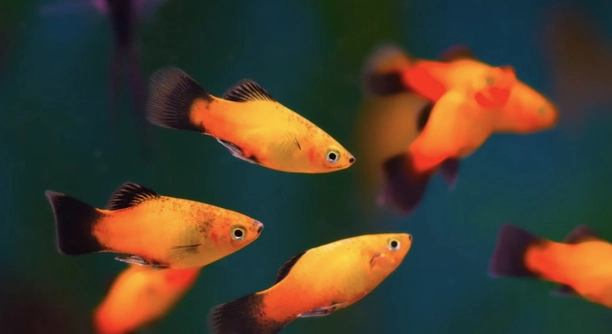
Have you ever set up the perfect tank for your platies but noticed their breeding habits seem unpredictable or inconsistent over time?
Platy breeding is influenced by water quality, temperature, lighting, stress levels, genetic traits, tank size, and the presence of other fish. Each factor plays a role in determining how successfully and frequently platies reproduce in captivity.
From environmental conditions to genetic makeup, each detail contributes to breeding success and fry survival in your aquarium.
Water Quality and Cleanliness
Platies need clean, stable water conditions to breed consistently. Ammonia, nitrite, and nitrate levels should be carefully monitored and kept low. A regular cleaning schedule helps maintain a healthy environment, supporting both adult fish and fry. Poor water quality causes stress, which directly affects their willingness to mate. Frequent partial water changes, proper filtration, and testing kits are essential tools for any aquarist hoping to encourage breeding. Uneaten food and waste can build up quickly, especially in smaller tanks, so maintaining cleanliness is just as important as feeding. If your platies seem inactive or hesitant to breed, poor water conditions may be the reason. Clean water helps ensure the females are healthy enough to carry fry and that the fry have a better chance at survival once born. A well-kept tank sets the foundation for all other breeding factors to work effectively together.
Frequent monitoring helps you catch problems early before they impact your platies’ health or breeding patterns.
Water changes should be done weekly, removing about 25% of the tank’s volume. Use dechlorinated water and clean the substrate carefully without disturbing the fish too much. Keeping your tank’s environment clean and safe reduces stress and keeps breeding on track for healthy, active platies.
Tank Size and Space
Crowded tanks often lead to territorial behavior and stress, which can cause platies to stop breeding.
A spacious tank allows your platies to swim freely and form stable social groups. A minimum of 10 gallons is needed for a small group, but larger tanks give better results. Overcrowding leads to poor water quality and aggression, both of which interfere with breeding. Platies are active swimmers and benefit from horizontal space to move around. More room also reduces competition for food and hiding spots, giving females a chance to rest between breeding cycles. Live plants and decorations can create a comfortable environment while also offering fry protection. When planning your tank setup, always consider future fry and the growth of your fish population. A larger tank is easier to maintain and provides a more stable environment. The right space helps your platies feel safe, comfortable, and ready to reproduce more consistently.
Temperature and Lighting
Warm, stable temperatures support platy breeding. Keep the water between 72–78°F for best results. Sudden changes can disrupt their behavior. Lighting should follow a natural day-night cycle, with 12–14 hours of light and consistent darkness to reduce stress and maintain healthy routines.
Temperature affects platy metabolism and reproduction. If the water is too cold, breeding slows down or stops. Using an aquarium heater with a reliable thermostat helps avoid dangerous fluctuations. Avoid placing the tank near windows or heaters, as outside conditions can make it hard to control the water temperature. Consistent lighting also plays a role in reproduction. Too much light can overstimulate the fish, while too little affects their internal clocks. Use a timer for the aquarium lights to mimic natural light cycles. These small adjustments to heat and light can greatly improve your chances of encouraging regular, healthy breeding in your platies.
Lighting and temperature should remain predictable. Fish respond best when there’s a steady rhythm to their day. Avoid turning lights on and off at random times. Just like with tank cleaning, building a routine your platies can rely on is key. It lowers stress levels and helps your fish stay active, healthy, and ready to breed regularly.
Tank Mates and Social Behavior
Aggressive tank mates make platies feel unsafe, causing them to hide and stop breeding. Choose peaceful species that won’t chase or nip at them.
Platies are social and generally peaceful, but their behavior can change depending on who shares the tank. Keeping them with aggressive or territorial fish can trigger anxiety and stress. This affects how freely they move and whether they feel secure enough to reproduce. Tank mates like guppies, mollies, and tetras are usually safe choices. Avoid cichlids or large fish that may mistake fry for food. Male-to-female ratio also matters—too many males may lead to constant chasing, which exhausts the females and interrupts the breeding cycle. Aim for one male to every two or three females. Social stability gives your fish confidence, allowing natural behaviors to develop and supporting a more consistent breeding pattern without unnecessary stress or competition.
Stress and Environmental Stability
Stress can stop platies from breeding, even when all other conditions are right. Frequent tank changes, loud noises, and sudden movements can make them feel unsafe. A calm environment helps them relax and behave normally, which supports consistent reproduction.
Avoid rearranging the tank or changing the water too aggressively. Make any changes slowly and carefully to avoid scaring your fish. Reducing stress gives them the confidence to breed more often and with less risk of fry loss.
Genetic Factors
Not all platies breed at the same rate, even in ideal conditions. Genetics influence their health, fertility, and behavior. Some may breed often, while others rarely do. If your fish come from a weak genetic line, they may produce fewer fry or show limited interest in mating. Choosing healthy stock from a trusted source improves your chances. When possible, avoid inbreeding or selecting fish with visible health issues. Healthy genetics can be supported over time by choosing strong, active fish and giving them proper care. A good start at the genetic level helps reinforce all the environmental work you put into their breeding success.
Diet and Nutrition
A balanced, high-quality diet supports healthy breeding. Feed your platies a mix of flakes, live, and frozen foods for best results.
FAQ
How often do platies breed?
Platies can breed every 4 to 6 weeks under ideal conditions. Females give birth to live fry, usually between 20 and 40 at a time. This frequency depends on factors like water quality, temperature, and stress levels. Keeping these stable supports regular breeding cycles.
What is the ideal water temperature for breeding platies?
The best temperature range is between 72 and 78°F (22 to 26°C). This range keeps the fish active and encourages healthy metabolism, which is necessary for reproduction. Temperatures outside this range can slow or stop breeding entirely.
Can platies breed with other fish species?
Platies generally do not breed with other species. They are livebearers and will mate only with their own kind or closely related varieties like swordtails. Crossbreeding is uncommon and usually requires very specific conditions and compatible species.
How can I tell if my platy is pregnant?
A pregnant female’s belly will grow noticeably larger and rounder. You might also see a dark spot near her anal fin called the gravid spot, which becomes more visible as birth approaches. Behaviorally, she may hide more and become less active.
How can I protect platy fry from other fish?
Fry are vulnerable to being eaten by adult fish, including their parents. Use a separate breeding tank or add dense plants and hiding places. Some keepers use breeding boxes or nets inside the main tank to isolate newborn fry safely.
What should I feed platy fry?
Fry need small, frequent feedings of finely crushed flakes, baby brine shrimp, or specialized fry food. Feeding often but in small amounts helps fry grow strong without fouling the water. Good nutrition at this stage improves survival rates.
Is it necessary to separate males and females?
Separating males and females can help control breeding and reduce stress caused by constant chasing. If you want to manage breeding timing or prevent overpopulation, this is a useful strategy. Otherwise, a balanced ratio in a community tank usually works fine.
How can I reduce stress for breeding platies?
Maintain stable water conditions, avoid sudden changes, and minimize loud noises or vibrations near the tank. Provide plenty of plants and hiding spots to create a safe environment. Consistent feeding schedules also help keep fish calm.
Can poor water quality stop platy breeding?
Yes, high levels of ammonia, nitrites, or nitrates create toxic environments. These can cause illness, stress, and reproductive failure. Regular water testing and partial water changes are essential to keep these harmful chemicals low.
How long is the gestation period for platies?
The gestation period is usually about 21 to 30 days. This can vary slightly depending on temperature and individual fish health. Warmer water speeds up development, but too warm can be harmful.
Can platies breed year-round?
With proper care and stable conditions, platies can breed year-round. Consistent temperature, clean water, and good nutrition remove seasonal limits, making it possible to have multiple broods throughout the year.
What causes platies to stop breeding suddenly?
Sudden stops can be caused by poor water quality, stress from tank mates, illness, or changes in temperature and lighting. Identifying and fixing these factors often helps resume breeding.
Do platies need live plants to breed?
Live plants are not required but are highly beneficial. They provide hiding places for shy fish and newborn fry, help maintain water quality, and reduce stress. Plants create a more natural and comfortable environment, encouraging breeding behavior.
Is there a preferred male-to-female ratio for breeding?
A ratio of one male to two or three females is ideal. Too many males can lead to excessive chasing, stressing females and reducing breeding success. A balanced ratio supports healthier social interactions and better breeding outcomes.
Can platies breed in small tanks?
Platies can breed in small tanks, but space limits fry survival and increases stress. Small tanks need careful maintenance to keep water quality high. Larger tanks provide a more stable environment and better chances for fry to survive and grow.
How do I know if my platies are stressed?
Signs include hiding, loss of appetite, lethargy, rapid breathing, and unusual aggression. Stress often leads to reduced breeding activity. Improving tank conditions and social environment usually reduces stress and restores normal behavior.
What is the best way to encourage platy breeding?
Maintain clean water, stable temperature, appropriate lighting, balanced diet, and a peaceful social environment. Adding plants and keeping a good male-to-female ratio also helps. Consistency in care routines makes the biggest difference.
Can platies breed without males?
No, platies are livebearers that require males to fertilize eggs internally. Females store sperm and can produce several broods after one mating, but males are necessary for fertilization.
How many fry can one female produce?
A single female can give birth to 20–40 fry per brood. The number varies based on age, health, and environment. Good care and nutrition increase fry quantity and survival chances.
Do platies breed better in planted tanks?
Yes, planted tanks provide hiding spots and improve water quality, which reduces stress. This environment mimics their natural habitat, encouraging natural breeding behaviors.
Is it normal for platies to eat their own fry?
Yes, platies sometimes eat their fry, especially when the tank is crowded or food is scarce. Providing plenty of hiding places and supplemental feeding reduces this behavior. Separating fry can also improve survival rates.
Final Thoughts
Breeding platies successfully depends on managing several key factors carefully. Water quality is one of the most important elements. Keeping the tank clean with regular water changes and good filtration supports the health of both adult fish and their fry. Stable temperature and lighting also play a vital role in encouraging platies to reproduce. Sudden changes or extremes in temperature or inconsistent lighting can cause stress, which may stop breeding altogether. Creating a calm, stable environment helps platies feel safe and ready to breed.
Tank size and social setup are equally important. Providing enough space prevents overcrowding and reduces aggressive behavior. Keeping a balanced ratio of males to females prevents constant chasing and exhaustion, which helps females stay healthy and ready to carry fry. Choosing peaceful tank mates reduces stress and supports natural social behavior, improving the chances of regular breeding. Live plants and hiding spots give both adults and fry places to feel secure. These environmental details make a big difference in breeding success and fry survival.
Genetics and diet cannot be overlooked. Healthy, well-fed platies with strong genetic backgrounds are more likely to breed often and produce healthy fry. Feeding a varied diet rich in nutrients supports reproductive health and energy. It’s also important to recognize that each platy is different—some will breed more readily than others. Paying attention to these details and adjusting conditions as needed will increase the chances of success. With patience and care, managing these factors creates a positive environment where platies can thrive and reproduce regularly.

Hello,
If you enjoy the content that we create, please consider saying a "Thank You!" by leaving a tip.
Every little bit helps us continue crafting quality advice that supports the health, happiness, and well-being of pets around the world, for pets of all shapes, sizes, and species.
We really appreciate the kindness and support that you show us!