
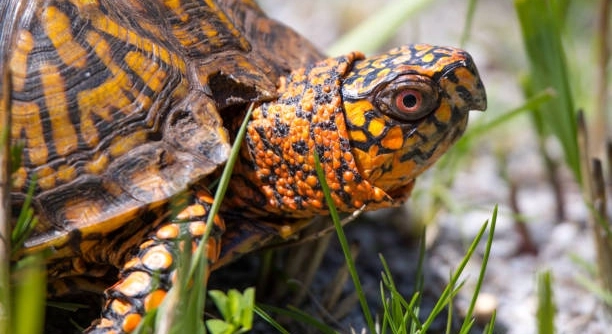
Taking care of a box turtle involves more than just feeding and housing it. Many factors influence how long your box turtle will live. By understanding these factors, you can help your turtle live a healthy, long life.
Several key factors impact box turtle longevity, including diet, habitat, genetics, temperature, and overall health care. Providing proper nutrition, a clean and safe living environment, and regular veterinary check-ups are essential to supporting their lifespan.
From creating the perfect environment to monitoring your turtle’s diet, the following factors can make a difference in how long your box turtle thrives. Learn how to ensure your pet’s long and happy life!
Diet and Nutrition
Box turtles are omnivores and need a balanced diet to stay healthy. They eat a variety of foods like fruits, vegetables, and small insects. A proper diet ensures that they get the right vitamins, minerals, and nutrients needed for growth, shell health, and overall longevity. If they don’t receive the proper nutrients, their immune system can weaken, making them more susceptible to illness. A poor diet can also lead to obesity or malnutrition, both of which shorten their lifespan.
To keep your box turtle healthy, offer a mix of leafy greens, berries, and insects. Avoid feeding them foods high in fat or sugar, which can contribute to weight gain and other health issues.
Regularly varying their meals ensures that they get a wide range of nutrients. Keep track of what they eat and always make sure they have access to fresh water. This balanced nutrition plays a key role in supporting their health and longevity, making it one of the most important factors in turtle care.
Habitat and Environment
A proper habitat is critical to your box turtle’s well-being. These turtles are typically found in woodlands or grasslands, so mimicking their natural environment is important. They need a space that provides shelter, moisture, and enough room to move around.
Ensure the enclosure has both dry and wet areas for your turtle to roam, and use a mix of dirt, soil, and leaves for the flooring. Regularly clean the habitat to prevent the buildup of bacteria that can lead to infections.
A comfortable habitat also includes a proper temperature range. Box turtles are cold-blooded, meaning their body temperature depends on the environment around them. If they don’t have access to a heat source, it can affect their metabolism and digestion. Providing UVB lighting and heating elements will mimic the sun’s natural warmth and help your turtle maintain a healthy temperature. A well-maintained habitat ensures that your box turtle stays active and lives longer.
Temperature and Seasonal Changes
Box turtles are sensitive to temperature. The right temperature range helps them regulate their body and metabolism. Too much heat or cold can stress the turtle, impacting their immune system and lifespan.
During warmer months, they need access to sun or a heat source to stay active. On the other hand, they require cooler temperatures during colder months to mimic their natural hibernation behavior. Keeping the habitat temperature stable is key.
In colder climates, it’s important to know when to let your box turtle brumate. This period of dormancy is crucial for their health. If you live in an area with long winters, setting up a hibernation spot in your enclosure is essential to avoid disrupting their natural cycle.
Genetics and Health History
Genetics play a large role in how long a box turtle will live. Some turtles have inherited traits that make them more resilient to diseases and health issues. Understanding your turtle’s genetics can provide insight into its needs.
Turtles with strong genetic backgrounds are typically less likely to develop illnesses, while others might be more prone to certain conditions. Regular vet check-ups can help spot potential health concerns early on. In many cases, good genetics will ensure that your turtle enjoys a longer, healthier life.
Knowing your box turtle’s health history can also help. If you adopt a turtle, ask the previous owner about its medical background. This information can guide you in making the best decisions for its care. If your turtle has past health problems, being aware of them will allow you to monitor and manage any issues.
Stress and Environmental Factors
Stress can significantly affect a box turtle’s health and lifespan. Factors such as noisy surroundings, changes in temperature, or overcrowded enclosures can cause stress, weakening their immune system.
It’s crucial to provide a peaceful, stable environment for your turtle. Keep noise levels low and avoid frequent handling, as this can cause anxiety.
Ensuring a clean, secure habitat will help your box turtle stay calm and comfortable. Stress-free turtles are more likely to live longer, as they aren’t constantly battling the negative effects of anxiety on their health.
Activity Level
Box turtles are active creatures, and movement is essential for their well-being. Providing them with enough space to roam around encourages exercise, which helps maintain muscle tone and a healthy metabolism. Without enough room, they may become lethargic and overweight, leading to potential health issues.
Regular movement also supports proper digestion. Ensure your turtle has access to areas where they can explore, climb, and dig. Giving them opportunities to engage in these natural behaviors helps maintain their overall health, contributing to a longer, healthier life.
Veterinary Care
Regular veterinary check-ups are vital to ensuring the longevity of your box turtle. Turtles are skilled at hiding illnesses, so routine visits allow for early detection of potential health issues. A vet can offer guidance on diet, habitat conditions, and preventative care.
By seeing a specialist familiar with reptiles, you can ensure your turtle gets the right care to prevent common health problems like shell rot or respiratory infections. Regular check-ups, along with a healthy diet and environment, are key to supporting your turtle’s long life.
FAQ
How long do box turtles typically live?
Box turtles can live anywhere from 40 to 100 years, depending on their care and environment. With proper diet, habitat, and attention to health, many box turtles can reach their upper age range. Wild box turtles often have shorter lifespans due to predators, diseases, or environmental challenges. However, those kept as pets under the right conditions have the potential to live much longer.
What temperature should a box turtle’s habitat be?
The temperature in your box turtle’s habitat should range between 75°F and 85°F during the day, with a basking spot reaching 90°F to 95°F. At night, temperatures can drop to around 70°F to 75°F. If you live in a cooler climate, it’s important to provide a heat source, especially during the colder months, to ensure the turtle can maintain its body temperature.
What should I feed my box turtle?
A healthy diet for a box turtle includes a mix of leafy greens (like dandelion, kale, and collard greens), vegetables (such as squash and carrots), and fruits (like strawberries, blueberries, and apples). They also need protein, so insects such as mealworms, crickets, or snails should be included. A varied diet ensures they get the proper nutrients they need for long-term health.
Can box turtles eat commercial turtle food?
While commercial turtle food can be convenient, it should not be the primary source of nutrition. Box turtles thrive on fresh, whole foods like fruits, vegetables, and insects. You can use commercial food as a supplement, but it shouldn’t replace the variety and quality of natural foods in their diet.
How do I know if my box turtle is healthy?
Healthy box turtles have clear eyes, smooth shells without cracks or lesions, and are active, alert, and curious. A healthy turtle will also eat regularly and move around its habitat. If your turtle is lethargic, has discolored eyes, or shows signs of shell damage, it may need veterinary care.
What size enclosure do I need for a box turtle?
For a single adult box turtle, the minimum enclosure size should be 4 feet long and 2 feet wide. Larger is always better, as box turtles need space to roam and explore. Providing an enclosure with both wet and dry areas, along with a secure lid, is crucial to create a safe, comfortable home.
Can I keep multiple box turtles together?
It’s possible to house multiple box turtles together, but it’s important to consider their behavior. Some box turtles are territorial and may become aggressive toward one another. It’s best to monitor them closely when introducing new turtles. Additionally, ensure there’s enough space in the enclosure to prevent competition for resources like food, water, and hiding spots.
Should I let my box turtle roam outside?
If the weather is warm and safe, you can let your box turtle roam outside, but always supervise them. Outdoor environments can provide enrichment through natural sunshine, varied terrain, and plants. However, make sure the area is secure, free of predators, and offers shade and water. Don’t let your turtle roam outside unsupervised, as they can easily escape or encounter dangerous situations.
What is the best way to handle a box turtle?
Handling should be minimal to avoid causing stress to your box turtle. When you do handle them, be gentle. Pick them up by the sides of their shell, avoiding their legs and head. Never pick them up by the tail, as this can cause injury. If your turtle seems stressed, it’s best to put them back in their habitat.
How often do I need to clean my box turtle’s enclosure?
It’s essential to clean the enclosure regularly to prevent bacteria build-up. Spot cleaning daily is a good practice, removing any uneaten food, waste, or soiled bedding. A full cleaning, including washing the tank and replacing the bedding, should be done every two to four weeks. Keeping the habitat clean helps prevent infections and ensures your turtle stays healthy.
Can box turtles live in water?
Unlike aquatic turtles, box turtles are land dwellers. They do need access to water for drinking and soaking, but they do not live in water. A shallow water dish should be placed in their enclosure for hydration and soaking. Be sure it’s not deep enough for them to swim in, as box turtles are not strong swimmers and may become stressed or exhausted in deep water.
Final Thoughts
Caring for a box turtle requires attention to several factors, from diet to habitat to health care. Understanding the key elements that impact their longevity helps you provide a better life for your pet. A balanced diet is one of the most important aspects, as it ensures they receive the right nutrients. Offering a variety of fruits, vegetables, and insects helps to support their growth, shell health, and overall immune system. It’s also essential to avoid feeding them foods that are too high in fat or sugar, as these can lead to health problems.
Equally important is providing an appropriate environment for your box turtle. A clean and safe habitat, with the right temperature and humidity, is vital for their well-being. Box turtles are sensitive to temperature fluctuations, so it’s essential to monitor and adjust the conditions in their enclosure regularly. If you live in a region with cold winters, make sure they have a spot to brumate, which is similar to hibernation. Creating an environment that mimics their natural habitat helps reduce stress, keeping your turtle healthy and happy.
Lastly, don’t overlook the significance of regular veterinary care and monitoring for any signs of illness. A box turtle’s health is often not immediately obvious, so routine check-ups help catch potential issues early. Regular visits to a vet who specializes in reptiles can ensure that your turtle stays on track for a long, healthy life. Along with this, minimizing stress through proper handling and avoiding overcrowding in the habitat can further contribute to their overall well-being. By staying attentive and informed, you can give your box turtle the best chance at a long, fulfilling life.

Hello,
If you enjoy the content that we create, please consider saying a "Thank You!" by leaving a tip.
Every little bit helps us continue crafting quality advice that supports the health, happiness, and well-being of pets around the world, for pets of all shapes, sizes, and species.
We really appreciate the kindness and support that you show us!