
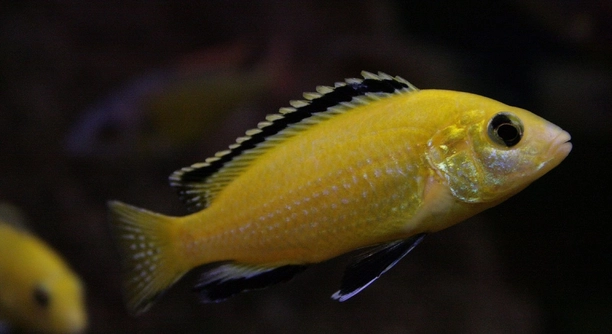
Have you ever noticed your cichlids hiding in the corners of the tank, staying away from both you and other fish for long periods of time? Shyness is a common behavior among these colorful freshwater fish.
Cichlid shyness is often influenced by environmental stress, water quality, tank size, social dynamics, diet, lighting, and sudden changes in their habitat. Each factor can affect their comfort levels, causing them to retreat and limit interaction.
Recognizing these causes can help you create a more secure and engaging environment for your cichlids, improving both their confidence and overall well-being in the aquarium.
Environmental Stress
Cichlids are sensitive to changes in their surroundings. Sudden noises, frequent movement near the tank, or placing the tank in a high-traffic area can make them feel unsafe. Even small shifts, like moving decorations or rearranging plants, may trigger hiding behavior. Providing stable conditions helps them feel secure.
Stress can reduce a cichlid’s activity, making them stay in one corner or behind rocks.
A calm, consistent environment allows cichlids to explore more freely. Using gentle water flow, avoiding loud vibrations, and keeping their tank in a quieter area can minimize stress. Decorations should be placed thoughtfully, giving hiding spots without overcrowding. Gradual changes in tank setup help the fish adapt comfortably, reducing anxiety. Over time, they will begin to show natural behaviors, such as swimming openly, feeding actively, and interacting with other fish. Maintaining a predictable environment improves their overall health, prevents stress-related illnesses, and encourages a more confident, visible presence in the tank.
Water Quality
Poor water conditions can make cichlids nervous and withdrawn. Regular testing and maintenance are essential to prevent issues.
Ammonia, nitrite, and nitrate levels affect their behavior.
Maintaining optimal water quality involves frequent monitoring and partial water changes. pH, temperature, and hardness must stay within species-specific ranges. Dirty filters or leftover food can worsen conditions. Consistent cleaning, proper filtration, and careful introduction of new fish keep the water stable. Well-maintained water reduces disease risk and encourages natural, confident behaviors.
Tank Size
A small tank can make cichlids feel cramped and insecure. Limited space reduces hiding options and increases stress, leading to shy behavior.
Providing adequate space is crucial. A tank that meets or exceeds the recommended size for the species allows cichlids to establish territories. When fish have room to swim freely, they feel safer and display natural behaviors more often. Overcrowding can cause constant competition, pushing timid individuals into hiding. Ensuring enough space for each fish reduces aggression, promotes confidence, and encourages interaction with other tank mates. Larger tanks also improve water stability, which further supports their comfort.
Proper tank size combined with thoughtful decoration placement allows shy cichlids to explore without feeling threatened. Multiple hiding spots and open swimming areas give them choice and control, helping reduce stress. Fish in an appropriately sized tank often become more active, curious, and responsive to their environment.
Social Dynamics
Dominant or aggressive tank mates can intimidate shy cichlids, forcing them to hide more often. Social balance is critical for confidence and comfort.
Introducing compatible species reduces stress and promotes peaceful interactions.
Shy cichlids are highly sensitive to aggression. Keeping multiple fish of the same species can help, but avoid overstocking, which can increase competition. Observing interactions helps identify any bullying behavior, allowing adjustments to the group. Separating aggressive individuals or adding barriers can create safer spaces. Proper social arrangement encourages shy fish to explore, feed, and interact. Tank mates should be chosen for temperament and size compatibility, minimizing intimidation and fostering a calmer environment. Stable groups make shy cichlids gradually more confident.
Diet
A poor or inconsistent diet can make cichlids less active and more withdrawn. Providing a balanced feeding routine improves confidence and energy.
High-quality food with proper nutrients supports overall health. Overfeeding or underfeeding can stress fish, causing them to hide more often.
Lighting
Bright or harsh lighting can intimidate shy cichlids. Dim or adjustable lighting helps them feel secure and encourages exploration.
Cichlids prefer a natural day-night cycle. Using timers for gradual light changes reduces stress. Appropriate lighting enhances their colors, behavior, and comfort while minimizing sudden retreats to hiding spots.
Sudden Changes
Unexpected changes in the tank environment can trigger hiding and nervous behavior. Stability is key to keeping shy cichlids comfortable.
FAQ
Why is my cichlid hiding all the time?
Cichlids often hide when they feel unsafe or stressed. Common causes include aggressive tank mates, small tank size, poor water quality, or sudden changes in the environment. Providing hiding spots and a stable, calm tank encourages them to come out gradually.
Can shy cichlids become more confident?
Yes, with the right conditions, shy cichlids can become more active and social. Consistent care, proper diet, stable water parameters, and a calm tank environment help build their confidence. Avoiding sudden changes and minimizing aggression from other fish also encourages bolder behavior.
How does tank size affect cichlid shyness?
Small tanks limit space and hiding options, increasing stress and fear. Larger tanks give fish room to explore and establish territories. Providing multiple hiding spots and open swimming areas balances safety with freedom, reducing overall shyness.
Do aggressive tank mates make cichlids shy?
Yes, dominant or aggressive fish can intimidate timid cichlids. Careful selection of compatible species and observation of interactions are important. Adding visual barriers, plants, and rocks creates safe spaces for shy fish to retreat without constant fear.
Can poor water quality cause shyness?
Absolutely. High ammonia, nitrite, or nitrate levels, inconsistent pH, and improper temperature can stress cichlids. Regular water testing, partial water changes, and maintaining filtration reduce stress and improve confidence. Healthy water supports active swimming and natural behaviors.
Does diet influence cichlid behavior?
Yes, a poor diet can make cichlids lethargic and hesitant. Feeding high-quality, species-appropriate food at consistent times improves energy and activity. Avoid overfeeding, which can pollute the tank and indirectly increase stress. Nutrient-rich diets promote both physical health and bolder behavior.
How does lighting impact shyness?
Harsh or constant lighting can make cichlids feel exposed. Gradual, dim, or adjustable lighting allows them to feel safe. A natural day-night cycle with timers helps maintain predictable conditions, reducing stress and encouraging exploration. Proper lighting also enhances their colors and overall activity.
What should I do after moving decorations or plants?
Sudden changes can frighten shy cichlids. Introduce modifications gradually to minimize stress. Leave plenty of familiar hiding spots and avoid moving too many items at once. Observing the fish’s reaction helps ensure they feel secure and slowly adapt to the new layout.
Can cichlids recover from long-term shyness?
Yes, with patience and proper care. Maintaining consistent conditions, reducing stressors, and providing space and hiding spots allows shy cichlids to become more confident. Over time, they may explore, interact with tank mates, and display normal feeding and swimming behavior.
Are there signs my cichlid is stressed besides hiding?
Yes, stress can appear as loss of appetite, color fading, erratic swimming, or frequent hiding. Monitoring these behaviors alongside water quality, tank mates, and environmental changes helps identify issues. Addressing the root causes can improve comfort and encourage normal behavior.
How long does it take for a shy cichlid to adapt?
Adaptation varies by individual and conditions. Some may become comfortable in days, while others take weeks or months. Patience, consistent care, and minimizing stress factors are key to helping shy cichlids gradually gain confidence in their environment.
Is it normal for some cichlids to always be shy?
Yes, some species and individuals are naturally more timid. While they may never be as bold as others, proper care, appropriate tank mates, and a safe environment can reduce extreme hiding and improve their quality of life.
How can I encourage interaction without stressing them?
Use gentle feeding routines and allow fish to approach at their own pace. Avoid tapping on the tank or sudden movements. Providing small treats and maintaining a calm environment gradually encourages curiosity and reduces fear.
Do temperature fluctuations affect shyness?
Yes, sudden or extreme changes can stress cichlids. Keeping water temperature within the species-specific range supports comfort and natural behavior. Consistency in heating or cooling prevents nervousness and encourages active swimming and interaction.
Are shy cichlids more prone to illness?
Stress from shyness can weaken the immune system, making fish more susceptible to disease. Maintaining clean water, proper diet, and a calm environment supports both behavior and overall health, reducing the risk of illness linked to chronic stress.
Can adding more hiding spots help immediately?
Yes, providing rocks, caves, or plants creates safe areas for shy cichlids. Immediate access to hiding spots reduces fear and stress. Over time, fish often explore more once they feel secure, balancing safety with increased activity.
Is it better to introduce new fish slowly?
Absolutely. Gradual introductions minimize territorial disputes and intimidation. Quarantining new fish and using visual barriers or separate sections in the tank allows shy cichlids to adjust safely without sudden stress.
How important is routine for shy cichlids?
Routine is very important. Consistent feeding times, light cycles, and minimal disruptions help cichlids feel secure. Predictability reduces anxiety and encourages them to become more active and confident over time.
Can I handle shy cichlids directly?
Direct handling is generally stressful. It is better to interact through feeding or tank maintenance. Observing from a distance and allowing them to approach voluntarily reduces fear and builds trust gradually.
Does overcrowding make shyness worse?
Yes, too many fish increase competition for space and resources. Overcrowding can cause timid cichlids to retreat constantly. Ensuring proper stocking density and adequate hiding spaces helps shy fish feel safe while maintaining a balanced social environment.
Are some species naturally more prone to shyness?
Yes, species like Apistogramma and certain dwarf cichlids tend to be more cautious. Knowing the temperament of the species before selecting tank mates helps create an environment that supports confidence and reduces stress-induced hiding.
Can music or vibrations affect shyness?
Loud vibrations, heavy footsteps, or constant noise can make shy cichlids nervous. Keeping the tank in a stable, quiet location minimizes fear and encourages exploration. Gentle, calm surroundings support natural behavior and reduce the tendency to hide excessively.
Does tank decoration type matter?
Yes, sharp or open decorations can intimidate shy cichlids. Rounded rocks, smooth caves, and live or artificial plants provide safe zones without creating stressful obstacles. Thoughtful decoration placement encourages exploration while giving fish control over their environment.
How often should I monitor shy cichlids?
Regular observation is important to track behavior changes, feeding habits, and signs of stress or illness. Noticing small shifts allows prompt adjustments to water quality, tank mates, or environment, improving comfort and encouraging confidence over time.
Can shy cichlids ever interact normally with aggressive species?
It is possible with careful planning. Providing multiple hiding spots, visual barriers, and adequate space reduces conflict. Gradual introductions and monitoring behavior help timid fish adjust without constant intimidation. However, highly aggressive species may still require separation for the shy cichlids’ well-being.
How can I tell if shyness is genetic or environmental?
Genetic factors influence temperament, but environmental stress often amplifies hiding behavior. Observing multiple individuals of the same species in similar conditions can help determine if shyness is inherent or caused by tank setup, social dynamics, or care routines.
Is it normal for cichlids to retreat during feeding?
Shy cichlids may stay hidden during feeding, especially in the presence of dominant fish. Offering food in quieter areas or using feeding tongs can encourage participation while reducing stress and promoting gradual confidence.
Can adding plants help shy cichlids feel safer?
Yes, plants provide cover and reduce exposure, making timid fish feel secure. Live or artificial plants also create natural boundaries, giving fish choice over when to explore or retreat, supporting gradual improvement in confidence.
How do I maintain patience with shy cichlids?
Patience comes from understanding their behavior and adjusting care gradually. Avoid forcing interaction, maintain stable conditions, and celebrate small progress. Shy cichlids improve slowly, and consistent care over time yields the best results in confidence and activity.
Are shy cichlids more active at certain times?
Yes, they may be more active during low-stress periods, like early morning or when the tank is quiet. Observing patterns helps provide feeding or maintenance schedules that align with their natural comfort levels.
What is the best way to introduce new hiding spots?
Introduce one or two items at a time, letting cichlids adjust. Gradual changes minimize fear and encourage exploration. Overcrowding with too many additions can create stress, so balance hiding areas with open swimming spaces.
Can shy cichlids ever become playful or curious?
Yes, with proper care and a safe environment, timid cichlids may explore, investigate new objects, and interact with compatible tank mates. Gradual improvement shows that even naturally shy fish can develop curiosity when stressors are minimized.
Does water flow impact shy behavior?
Strong currents can intimidate timid cichlids. Gentle, consistent water flow mimics natural conditions without overwhelming them. Adjusting filter output or using flow-reducing devices creates a comfortable environment that encourages movement and reduces hiding.
How do I know when shyness is improving?
Signs include more active swimming, increased feeding participation, exploring new areas, and gradual interaction with other fish. Recording behavior over time helps track progress and confirms that environmental adjustments are effective.
Can temperature or lighting changes worsen shyness?
Yes, sudden or extreme changes in either can increase stress and hiding. Gradual adjustments and consistent cycles help maintain comfort, encouraging confident and natural behavior. Stable conditions support both health and activity levels.
Should shy cichlids be housed alone?
While some may benefit from fewer tank mates, most thrive with compatible companions. Proper social arrangement, adequate space, and hiding areas are more important than isolation. Observing interactions helps determine if separation is necessary to reduce stress.
How can I reduce stress during tank maintenance?
Perform slow, gentle water changes, avoid sudden movements, and limit loud noises. Keeping a predictable routine and minimizing disturbances helps shy cichlids feel secure, maintaining confidence and normal behavior.
Are shy cichlids more prone to hiding at night?
Yes, reduced light can trigger hiding instincts, though they may still explore under dim conditions. Providing safe spaces and gradual lighting changes helps them feel secure while allowing natural nocturnal activity.
Can shy cichlids coexist with more active species?
They can, if there is enough space and hiding spots. Observing behavior ensures active species do not intimidate timid fish. Adjusting tank layout and introducing barriers supports peaceful cohabitation.
Is consistent feeding important for shy cichlids?
Yes, predictable feeding reduces anxiety and encourages participation. Irregular schedules can increase hiding and stress. Offering small, frequent meals helps timid fish gain confidence while supporting health and activity.
How do I address long-term hiding habits?
Identify and address environmental or social stressors, maintain clean water, provide hiding spots, and avoid aggressive tank mates. Gradual, consistent care encourages shy cichlids to explore, feed, and interact more naturally over time.
Are shy cichlids naturally less colorful?
Stress and hiding behavior can dull colors. Proper care, reduced stress, and a stable environment often restore vibrant coloration as fish feel secure and healthier.
Can shy behavior affect breeding?
Yes, timid cichlids may be less likely to spawn if constantly stressed or intimidated. Providing safe spaces, stable conditions, and compatible mates supports natural breeding behavior.
Does tank location affect shyness?
Placing the tank in a quiet, low-traffic area reduces stress. Avoiding constant disturbances, vibrations, and direct sunlight helps timid fish feel safe and encourages activity and interaction with their environment.
How do I encourage shy cichlids to explore new areas?
Provide gradual environmental enrichment, like additional hiding spots or plants. Avoid sudden changes, and let them approach at their own pace. Gentle feeding near new areas can help them feel safe while encouraging exploration.
Can shy cichlids adapt to a community tank?
Yes, with careful planning. Ensure compatible species, provide space and hiding spots, and monitor interactions. Gradual introductions allow timid fish to adjust while maintaining a peaceful community environment.
Are some shy cichlids permanently timid?
Some individuals have naturally cautious temperaments. While they may never be fully bold, proper care, environment, and social support reduce extreme hiding and improve overall well-being.
Can hiding spots improve feeding habits?
Yes, safe areas reduce stress during feeding. Shy cichlids are more likely to eat when they feel secure, improving nutrition, energy levels, and confidence.
Does stress affect growth?
Chronic stress from shyness can slow growth and development. Stable water, proper diet, and minimal stressors support healthy growth and help shy cichlids become more confident over time.
How do I track progress in reducing shyness?
Monitor behavior, feeding habits, and activity levels consistently. Gradual improvements, like increased exploration and interaction, indicate progress. Keeping notes or photos helps evaluate changes and effectiveness of adjustments.
Is hiding always negative?
Not necessarily. Occasional retreat is natural for cichlids. The concern is frequent, prolonged hiding due to stress or environmental issues. Providing safe spaces and reducing stressors encourages healthy, balanced behavior.
Can I prevent shyness in young cichlids?
Yes, stable conditions, proper tank mates, adequate space, and a predictable routine from an early age promote confidence and reduce extreme hiding behaviors as they grow.
Does tank decoration complexity matter?
Yes, simple layouts with adequate hiding spots reduce fear. Overly complex arrangements can confuse or intimidate shy fish, while well-planned spaces balance exploration and security.
How do I maintain long-term confidence in shy cichlids?
Consistent care, stable water quality, proper diet, compatible tank mates, and adequate hiding spots ensure lasting comfort. Monitoring behavior regularly helps maintain a confident and healthy environment for timid fish.
Is it normal for shy cichlids to suddenly explore?
Yes, gradual improvements in comfort and confidence can lead to spontaneous exploration. These moments show the fish is adjusting well and becoming more secure in its surroundings.
Can shy cichlids interact with humans?
They may eventually approach during feeding or calm observation. Avoid sudden movements or tapping on the glass. Patience and gentle interaction encourage voluntary engagement over time.
Does frequent tank cleaning affect shyness?
If done abruptly, it can increase stress. Gentle, consistent maintenance with minimal disturbance helps maintain comfort and reduces retreating behavior while keeping water quality high.
Are shy cichlids more affected by seasonal changes?
Yes, shifts in temperature, light, or water quality during seasonal transitions can trigger hiding. Monitoring and maintaining stable conditions reduces stress and promotes consistent behavior year-round.
Can shy cichlids coexist with more active species long-term?
Yes, if the tank provides space, hiding spots, and compatible companions. Monitoring interactions ensures timid fish are not constantly intimidated, supporting healthy long-term cohabitation.
How do I know if my cichlid is stressed or naturally shy?
Observe feeding habits, activity levels, color changes, and interactions. Sudden hiding, color fading, or reduced appetite often indicate stress, while consistent cautious behavior may reflect natural temperament.
Can shy cichlids become more interactive over time?
With patience, proper care, and a stable, safe environment, timid cichlids often gradually explore, feed openly, and interact with other fish, showing marked improvement in confidence and activity.
Does tank water movement affect shy cichlids?
Yes, strong currents can intimidate them. Gentle, consistent water flow creates a comfortable environment, encouraging exploration and reducing constant hiding.
Can shy cichlids learn routines?
Yes, they adapt to consistent feeding, lighting, and maintenance schedules. Predictable routines reduce stress and encourage bolder behavior over time.
Is it normal for shy cichlids to change hiding habits?
Yes, as they grow more comfortable, they may explore more and retreat less often. Behavioral changes indicate increasing confidence in their environment.
Does social hierarchy impact shyness?
Yes, dominant fish can intimidate timid individuals. Proper group composition, adequate space, and hiding areas minimize conflict, allowing shy cichlids to gain confidence gradually.
Can shy cichlids coexist with aggressive species long-term?
Only if aggressive fish are managed, space is adequate, and hiding spots are plentiful. Otherwise, timid fish may remain stressed and constantly hide, affecting health and well-being.
How do I reduce sudden retreats?
Avoid abrupt movements, loud noises, or sudden changes in tank conditions. Provide hiding spots and a stable environment to minimize frequent retreats and support consistent behavior.
Are shy cichlids more prone to illness?
Stress from frequent hiding can weaken immunity, increasing susceptibility. Stable conditions, proper diet, and minimizing stressors support health and reduce risk of disease.
Can shy behavior be reversed in older cichlids?
Yes, older timid fish can improve with consistent care, reduced stress, and proper tank conditions. Progress may be slower, but confidence and activity can increase over time.
Does tank temperature consistency matter?
Yes, sudden shifts stress cichlids and increase hiding. Maintaining stable, species-appropriate temperatures supports comfort, activity, and overall well-being.
Is it normal for shy cichlids to ignore food at first?
Yes, timidity or fear of dominant fish may cause hesitation. Offering food in safe areas and maintaining calm surroundings encourages eventual participation.
Can shy cichlids ever become bold?
With patience, stability, and reduced stress, timid cichlids can gradually explore, interact, and display confident behavior, although individual temperament may limit full boldness.
Does tank location impact confidence?
Yes, a quiet, stable location reduces fear. Avoid high-traffic areas, vibrations, and direct sunlight to support shy cichlids’ comfort and encourage exploration.
How can I encourage shy cichlids to feed openly?
Feed in quiet areas, use slow, gentle movements, and offer high-quality food consistently. Safe feeding routines gradually increase confidence and reduce hiding during mealtime.
Can shy cichlids benefit from plant cover?
Yes, plants provide security, reduce exposure, and give control over retreat and exploration. Both live and artificial plants support natural behaviors and confidence.
How do I tell if environmental stress is the issue?
Check water quality, tank layout, lighting, and social dynamics. Sudden hiding, reduced activity, or color fading often indicate stress rather than natural shyness.
**Can shy cichlids live peacefully
Cichlids are naturally interesting fish, but their shy behavior can sometimes be worrying. Observing a timid cichlid is a common experience for many aquarium keepers. Shyness in these fish usually comes from a combination of factors like environmental stress, tank size, water quality, social dynamics, diet, lighting, and sudden changes. Each factor influences how safe and comfortable a cichlid feels in its surroundings. When these factors are not carefully managed, even the most vibrant fish may spend hours hiding behind rocks or plants, avoiding interaction with other tank mates or even their owner. Recognizing the causes of shyness is the first step toward creating a better environment that supports both their well-being and natural behavior.
Creating a safe and stable environment can significantly improve a shy cichlid’s confidence. A properly sized tank with enough swimming space and well-placed hiding spots allows fish to choose when to explore and when to retreat. Clean water and balanced nutrition are equally important, as poor water quality or an inconsistent diet can reduce activity and increase stress. Social dynamics also play a major role; placing aggressive or dominant fish with timid species can result in constant hiding, while compatible tank mates encourage a sense of security. Lighting and gradual adjustments to the tank layout or decorations further support a calm environment. Over time, these measures help shy cichlids become more active, explore their surroundings, and even display social behaviors with other fish. Patience and consistent care are key, as improvements often happen slowly but steadily.
Understanding and addressing cichlid shyness is not just about encouraging visible activity—it also promotes overall health and longevity. Fish that feel secure are less likely to experience stress-related illnesses, and they often show more vibrant colors and natural behaviors. Regular observation of their interactions, feeding habits, and responses to environmental changes helps identify issues before they escalate. While some cichlids may remain naturally cautious due to temperament or species-specific traits, most will gradually gain confidence when their needs are met. Maintaining clean water, appropriate tank conditions, compatible companions, and a stable routine supports both physical and behavioral well-being. By creating an environment that considers all the factors contributing to shyness, aquarium keepers can enjoy the full potential of their cichlids, fostering a healthier and more engaging experience for both the fish and the caretaker.

Hello,
If you enjoy the content that we create, please consider saying a "Thank You!" by leaving a tip.
Every little bit helps us continue crafting quality advice that supports the health, happiness, and well-being of pets around the world, for pets of all shapes, sizes, and species.
We really appreciate the kindness and support that you show us!