
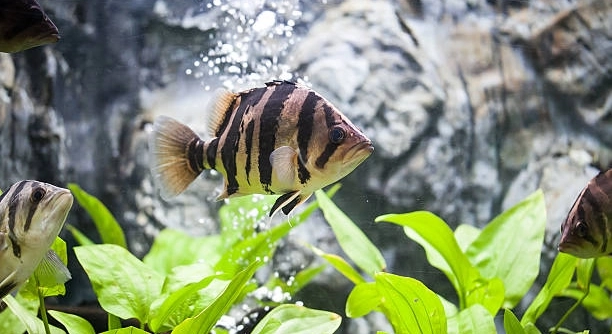
Tiger barbs are popular aquarium fish known for their lively colors and active behavior. Many fishkeepers enjoy watching them but often wonder how long these fish can live in home tanks. Lifespan can vary widely depending on several important factors.
Tiger barb lifespan is influenced by water quality, diet, tank size, tank mates, genetics, stress levels, and overall care. Each factor plays a critical role in promoting health and longevity, making it essential to maintain optimal conditions throughout the fish’s life.
Knowing what affects their lifespan helps fishkeepers create a better environment. This article explains the main factors that impact how long tiger barbs can live.
Water Quality and Its Impact on Tiger Barb Lifespan
Maintaining clean water is crucial for tiger barbs’ health. Poor water quality causes stress and weakens their immune system, making them prone to diseases. Ammonia and nitrite levels must be kept at zero, while nitrate should remain low. Regular water changes and a good filtration system help keep the tank safe. Temperature should stay steady, around 74-79°F (23-26°C), as sudden changes can shock the fish. Testing water weekly ensures conditions are stable. Many health problems in tiger barbs come from neglecting water care. It’s important to remove leftover food and waste promptly to avoid contamination. A well-kept tank reduces risks of infections and extends lifespan. Monitoring water parameters consistently creates a healthy environment that supports natural behavior and growth.
Consistent water care directly supports tiger barbs’ well-being and reduces disease risks. It forms the foundation of a long, healthy life.
Good water quality helps tiger barbs stay active and live longer. Healthy fish enjoy swimming and feeding well. If water conditions are poor, fish may become lethargic or stressed, shortening their lifespan. Keeping the water clean makes all the difference in their daily life.
Diet and Nutrition for Healthy Tiger Barbs
A balanced diet is essential for tiger barbs to thrive. Feeding high-quality flakes or pellets designed for tropical fish provides necessary vitamins and minerals. Including live or frozen foods like brine shrimp or bloodworms boosts nutrition and encourages natural hunting behavior. Overfeeding should be avoided since excess food decays and harms water quality. Feeding small amounts two to three times daily works best. Variety in diet helps prevent nutritional deficiencies and keeps tiger barbs interested in their food. Supplements like spirulina or vegetable matter can improve coloration and digestion. Proper nutrition supports their immune system, helping fight off diseases and improving overall health. Feeding habits affect their energy levels and lifespan, so it’s important to observe how your fish respond to their diet and adjust accordingly. A well-fed tiger barb is a happy and vibrant one.
Tank Size and Space Requirements
Tiger barbs need enough space to swim actively. A small tank can cause stress and limit growth. At least 20 gallons is recommended for a small group to ensure they have room to move freely. Overcrowding can lead to aggression and poor health.
Providing sufficient space helps reduce stress and allows tiger barbs to display natural behavior. Crowded tanks increase the chance of injury and illness. A larger tank promotes better water quality as well, since waste is more diluted.
In cramped tanks, fish may become aggressive and show signs of stress such as fin nipping or hiding. Giving them enough room supports social interaction and exercise, which are vital for their well-being. Proper tank size is a simple but essential factor for longevity.
Compatible Tank Mates
Choosing the right tank mates is key to a peaceful environment. Tiger barbs can be semi-aggressive, so avoid slow or long-finned fish. They do best with other active, similarly sized fish.
Compatible species include danios, rasboras, and some tetras. Avoid housing them with bettas or angelfish, which can cause fights. Monitor fish interactions regularly to prevent bullying. Keeping a balanced group reduces stress for all tank inhabitants and improves survival chances. A calm community tank helps tiger barbs stay healthy and live longer.
Stress and Its Effects on Tiger Barbs
Stress weakens tiger barbs’ immune systems, making them vulnerable to illness. Common causes include overcrowding, poor water quality, and aggressive tank mates. Reducing stress is essential for their health.
Signs of stress include erratic swimming, loss of color, and hiding. Addressing these early can prevent serious problems and improve lifespan.
Genetics and Lifespan Variation
Genetics play a role in how long tiger barbs live. Some strains are naturally hardier or live longer due to selective breeding. However, even the best genetics need proper care to reach full potential.
Proper Care Practices
Regular maintenance, proper feeding, and a stable environment are key to healthy tiger barbs. Consistency is the foundation of good care and longer life.
FAQ
How long do tiger barbs usually live?
Tiger barbs typically live between 5 to 7 years when kept in good conditions. Some may live longer with excellent care and optimal tank settings. Factors like diet, water quality, and stress play a big role in their lifespan.
What water parameters are best for tiger barbs?
The ideal water temperature is between 74°F and 79°F (23°C to 26°C). The pH should be slightly acidic to neutral, around 6.5 to 7.5. Ammonia and nitrite must be kept at zero, while nitrate levels should stay below 20 ppm. Regular testing helps maintain these parameters.
Can tiger barbs live with other fish?
Yes, but tank mates should be chosen carefully. Tiger barbs are semi-aggressive and may nip fins, so avoid slow or long-finned species. Active, similarly sized fish like danios and rasboras are good companions. Monitor interactions to prevent bullying.
How often should I feed tiger barbs?
Feeding small amounts two to three times a day works best. Overfeeding can pollute the tank and cause health issues. Offer a balanced diet with quality flakes, pellets, and occasional live or frozen foods to keep them healthy.
What are common signs of stress in tiger barbs?
Signs include faded colors, hiding, erratic swimming, and fin damage. Stress often comes from overcrowding, poor water quality, or aggressive tank mates. Addressing these causes early helps keep your fish healthy.
Why is tank size important for tiger barbs?
A tank smaller than 20 gallons can cause stress and aggression because tiger barbs need space to swim actively. A larger tank improves water quality and reduces the chance of injuries from fights. Proper space supports social behavior and growth.
How do I prevent diseases in tiger barbs?
Maintaining clean water, providing a balanced diet, and avoiding stress are the best prevention methods. Quarantine new fish before adding them to the tank. Regular observation helps catch illnesses early for prompt treatment.
Can genetics affect tiger barb lifespan?
Yes, genetics influence health and longevity. Some strains are bred for hardiness, but even good genetics won’t help if care is poor. Proper tank conditions and nutrition maximize their genetic potential.
Is it okay to keep tiger barbs alone?
Tiger barbs are schooling fish and do best in groups of six or more. Alone, they can become stressed or shy. A group encourages natural behavior and reduces aggression, improving their quality of life.
How do temperature changes affect tiger barbs?
Sudden temperature fluctuations can shock tiger barbs, causing stress or illness. Keeping a steady temperature within their preferred range helps them stay healthy and live longer. Use a reliable heater and thermometer to maintain stability.
What type of filtration is best for tiger barb tanks?
A good filtration system that provides mechanical, biological, and chemical filtration is important. It keeps the water clear and removes harmful toxins. Choose a filter appropriate for the tank size and avoid strong currents that may stress the fish.
How often should water be changed in a tiger barb tank?
Changing 20-30% of the water weekly helps maintain good water quality. More frequent changes might be needed if the tank is crowded or if water tests show high levels of nitrates or ammonia. Regular changes keep the environment healthy.
What foods should be avoided for tiger barbs?
Avoid feeding only one type of food or low-quality flakes. Also, foods that are too large or hard to digest can cause problems. Stay away from overfeeding and uneaten food buildup, which harms water quality.
Can tiger barbs live in planted tanks?
Yes, planted tanks are great for tiger barbs. Plants provide hiding spots and reduce stress. Make sure plants are hardy and compatible with the fish’s active nature. Plants also help improve water quality by absorbing nitrates.
How to tell if a tiger barb is healthy?
Healthy tiger barbs have bright colors, clear eyes, and smooth fins. They swim actively and eat regularly. Lack of movement, dull colors, or damaged fins may indicate health issues needing attention.
Taking care of tiger barbs well can greatly affect how long they live and how happy they are in the tank. Paying attention to water quality, diet, tank size, and their social environment makes a big difference. When these fish have clean water, enough space, good food, and friendly tank mates, they stay healthier and live longer. It is important to keep a regular routine for tank maintenance and feeding to create a stable environment. Stress is one of the main things that shortens their life, so avoiding overcrowding and aggressive fish helps a lot.
Good nutrition is another key factor. Tiger barbs need a balanced diet with high-quality flakes or pellets plus occasional live or frozen food. This variety keeps them strong and colorful. Overfeeding should be avoided because it can pollute the water and cause health problems. Watching how much they eat and adjusting portions prevents leftover food from harming the tank. Also, making sure the temperature and pH are right keeps the fish comfortable. A stable environment supports their immune system and helps them fight off diseases.
Finally, genetics and careful observation are part of good care. Some tiger barbs naturally live longer than others, but even the strongest genetics need proper tank conditions to shine. Regularly checking your fish for signs of illness or stress lets you act quickly before small problems grow bigger. Taking time to understand their needs will help you enjoy watching these lively fish for many years. Simple daily habits like testing water, feeding well, and giving them space go a long way toward a healthy, happy life for your tiger barbs.

Hello,
If you enjoy the content that we create, please consider saying a "Thank You!" by leaving a tip.
Every little bit helps us continue crafting quality advice that supports the health, happiness, and well-being of pets around the world, for pets of all shapes, sizes, and species.
We really appreciate the kindness and support that you show us!