
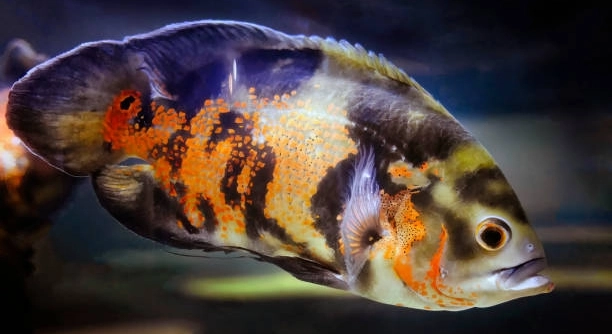
Oscar fish are known for their bold personalities, and understanding their temperament is key to keeping them healthy and happy. These fish can be unpredictable at times, so knowing what affects their behavior can help in maintaining a balanced environment.
Oscar fish temperament can be influenced by several factors, such as water conditions, tank size, diet, and social interactions. Stressful environments or poor water quality can trigger aggression, while a suitable tank setup can promote a calm demeanor.
By paying attention to these factors, you can foster a positive environment that benefits both your fish and your aquarium. Understanding their needs is the first step in maintaining a peaceful tank.
1. Water Conditions and Their Impact on Oscar Fish Temperament
Water quality plays a crucial role in the overall behavior of Oscar fish. When the water is not clean or has incorrect levels of pH, ammonia, or nitrate, it can cause stress for the fish. This stress often leads to aggression, as Oscar fish are sensitive to their environment. It is important to monitor the water regularly and make adjustments as needed to keep it in optimal condition.
Proper filtration is essential to maintain a healthy tank. Without it, water can become polluted quickly, especially in tanks with aggressive fish like Oscars. This can lead to poor water quality, which contributes to health problems and bad behavior.
Oscars thrive in water with a temperature between 75-80°F and a pH level of 6.5-7.5. Consistency in these conditions is key to keeping them calm and reducing aggression. Sudden changes, even if minor, can trigger stress and alter their temperament. Regular water changes and proper filtration ensure they stay comfortable and maintain their natural, more peaceful behavior.
2. Tank Size and Space
The space available for your Oscar fish is directly linked to how it behaves. A cramped tank will stress your fish, leading to territorial aggression.
A larger tank allows Oscars to establish their territory and reduces friction with tank mates. A minimum of 75 gallons is recommended for one Oscar, with even larger tanks being more ideal as they grow. Space to swim and explore helps them feel more secure.
Without enough space, Oscars may become aggressive towards each other or even their tank mates. The territorial nature of these fish can result in constant chasing, nipping, and fighting. This behavior is often reduced when they have enough room to move freely. So, keeping Oscars in a sufficiently sized tank not only promotes healthier fish but also reduces the chances of conflicts.
3. Diet and Its Effect on Behavior
What you feed your Oscar can affect its mood. Poor diet choices or inconsistent feeding schedules can make them more irritable or even sick. Feeding them a balanced diet with high-quality pellets, live food, or frozen options ensures they remain healthy and content.
A well-fed Oscar is generally less aggressive. Overfeeding, however, can cause bloating and health issues, which may lead to stress and bad behavior. Stick to a feeding schedule and provide food appropriate for their size and age. A diverse diet will help maintain their energy levels and reduce signs of aggression.
Oscars are natural hunters, and they enjoy live food such as worms or feeder fish. Adding variety like vegetables can also be beneficial, but always ensure their meals are balanced. A consistent diet will contribute to more stable and predictable behavior. Oscars thrive when their nutritional needs are met, improving their temperament and overall well-being.
4. Social Interactions and Tank Mates
Oscars can be very territorial, and their temperament is highly influenced by their social interactions with other fish. Keeping them with compatible tank mates reduces stress and aggressive behavior.
When tank mates are introduced, it’s essential to choose species that are large enough to defend themselves. Oscars tend to be aggressive with smaller or slower-moving fish. It’s also important to introduce new fish slowly to avoid sudden confrontations.
If you have other Oscars, make sure there’s enough space for each one to establish its territory. They are less likely to fight if they have room to avoid each other. Aggression can arise when Oscars feel crowded or threatened. By selecting the right companions and providing enough space, you can promote a peaceful tank environment.
5. Lighting and Its Influence on Temperament
Lighting can influence the behavior of Oscar fish. Too much light can cause stress, while too little can make them lethargic. Finding a balance is essential for keeping them calm.
Oscars need a consistent light cycle, typically 10-12 hours a day, mimicking natural conditions. Sudden changes in lighting can disrupt their routine and cause unease.
Having the right lighting allows your Oscar fish to stay active and engaged. Consider using dimmer or adjustable lights to avoid overwhelming them. Proper lighting not only helps their behavior but also promotes their overall health and comfort.
6. Tank Maintenance and Its Effect on Stress
Regular tank maintenance is key to preventing stress in Oscar fish. A clean tank reduces the risk of water quality issues that can affect their behavior.
You should clean the tank regularly, remove debris, and replace a portion of the water. Avoid using harsh chemicals or cleaners that could harm your fish. Regularly checking the filtration system is also important.
A well-maintained tank will give your Oscar a stable environment, reducing chances of aggression or illness. Keeping things clean can minimize stress, helping your fish thrive and exhibit calmer, more predictable behavior.
7. Environmental Enrichment
Oscar fish need stimulation to prevent boredom and reduce aggressive tendencies. Providing objects like rocks, plants, or hiding spots can help them feel secure.
Adding enrichment to the tank allows Oscars to explore and find new areas to claim as their own. This prevents them from becoming too stressed or territorial.
FAQ
How can I reduce aggression in my Oscar fish?
To reduce aggression in Oscar fish, make sure their environment is stable. Proper tank size, clean water, and regular maintenance help prevent stress, which often leads to aggression. Avoid overcrowding the tank and ensure they have enough space to establish their own territory. Additionally, ensure they are fed a nutritious, balanced diet. Sometimes, aggression can be reduced by adding hiding spots or creating barriers in the tank, which provide a sense of security. Social interactions with compatible tank mates should be managed carefully to avoid territorial disputes.
What should I do if my Oscar fish is constantly chasing other fish?
If your Oscar is chasing other fish, it might feel threatened or need more space. Oscars are territorial by nature, and if they don’t have enough room, they may become aggressive toward tank mates. To solve this, you should consider upgrading the tank size. Introduce tank mates slowly, ensuring they are large enough to defend themselves. If the behavior continues, try adding hiding spots or decorations to break up sight lines, helping to reduce territorial aggression.
Can I keep more than one Oscar fish in the same tank?
It’s possible to keep multiple Oscar fish together, but they need enough space. The general rule is to have at least 75 gallons of water for one Oscar. If you plan on keeping more than one, you should provide at least 100 gallons for two Oscars. It’s important to introduce them when they are young to avoid territorial issues as they grow older. They may become aggressive toward one another if they feel their space is threatened, so make sure there are plenty of hiding places and room for each fish to establish its own territory.
Why is my Oscar fish hiding all the time?
Oscar fish may hide if they are stressed, sick, or feel threatened. If your Oscar is hiding more than usual, check the water quality and temperature. Poor water conditions can make Oscars feel unsafe. Also, new tank mates or changes in the environment can cause stress. Ensure the tank has enough hiding spots and that the fish feel secure. If the behavior continues, it could indicate a health issue, so it’s important to observe for any other signs of illness, such as loss of appetite or unusual swimming patterns.
Do Oscar fish get along with other types of fish?
Oscar fish can get along with other species if they are compatible in size and temperament. Oscars are large and predatory, so they may see smaller fish as food. It’s best to keep them with other larger, more robust fish that can hold their own. Fish like larger cichlids, catfish, or even certain types of plecos are usually good tank mates. Always ensure the tank is large enough to accommodate all fish comfortably, and monitor their interactions closely to avoid conflicts.
What is the ideal water temperature for an Oscar fish?
Oscar fish prefer a water temperature between 75°F and 80°F (24°C – 27°C). Keeping the water within this range ensures they stay comfortable and active. Sudden temperature fluctuations can stress the fish, making them more prone to illness or aggression. A reliable heater and thermometer are essential to maintain a stable environment. Additionally, keep an eye on the water’s pH, which should be between 6.5 and 7.5 for optimal health.
How often should I feed my Oscar fish?
Oscar fish should be fed once or twice a day, depending on their age and size. Young Oscars may require more frequent feedings, while adult Oscars do well with a feeding once a day. Feed them a variety of foods such as high-quality pellets, live food, and frozen options like shrimp, worms, or small fish. Make sure to provide only what they can consume in a few minutes to prevent overfeeding, which can lead to water quality issues. Overfeeding can also contribute to health problems like bloating or obesity.
Why is my Oscar fish losing color?
If your Oscar fish is losing color, it could be a sign of stress, poor water quality, or a nutritional deficiency. Ensure that the water is clean and within the proper temperature and pH range. Stress from incompatible tank mates, overcrowding, or inadequate hiding spots can also cause this issue. Diet plays a big role in their color, so offering foods that are rich in carotenoids, like shrimp, can enhance their natural coloring. If the color loss is severe or accompanied by other signs of illness, it’s a good idea to check for parasites or consult a vet.
How long do Oscar fish live?
Oscar fish typically live between 10 to 15 years when kept in optimal conditions. Their lifespan can vary depending on factors like water quality, diet, tank size, and overall care. Providing them with a clean and stable environment, a balanced diet, and regular tank maintenance can help ensure they live a long and healthy life. If you are providing them with good care, they will be more likely to reach the upper end of their lifespan.
Do Oscar fish need a filter in their tank?
Yes, Oscar fish need a good filtration system. These fish produce a lot of waste, and without a proper filter, the water quality will deteriorate quickly. A powerful filter is necessary to keep the water clean and prevent the buildup of harmful chemicals like ammonia and nitrites. Make sure the filter is rated for the size of your tank, and clean it regularly to ensure it’s functioning properly. Proper filtration helps reduce stress and keeps your Oscar fish healthy.
Final Thoughts
Oscar fish are fascinating creatures, known for their vibrant colors and strong personalities. However, keeping them requires a bit of work. By paying attention to their environment, diet, and social interactions, you can significantly improve their temperament. Ensuring that the water quality is ideal, the tank size is large enough, and that they have proper food will go a long way in keeping your Oscar healthy and happy. Stress is one of the biggest contributors to aggression in these fish, so creating a peaceful environment is crucial.
When setting up an aquarium for your Oscar fish, make sure to think about the long-term care. Oscars can grow quite large, and they need plenty of space to swim and establish their territory. A well-maintained tank with proper filtration and regular water changes will help prevent many common issues. Also, be sure to keep an eye on their health. A sudden change in behavior, such as hiding or aggression, may be a sign that something is off with their environment or health. Addressing these issues early can help keep your Oscar fish from becoming stressed or sick.
Understanding the factors that affect Oscar fish temperament—such as water conditions, tank mates, and diet—helps in creating a more stable and happy environment. By observing your fish and making small adjustments when needed, you can avoid common pitfalls and enjoy the company of these remarkable fish for many years. The key is consistency and attention to detail. With the right care, your Oscar fish will thrive, showing their natural beauty and unique personality.

Hello,
If you enjoy the content that we create, please consider saying a "Thank You!" by leaving a tip.
Every little bit helps us continue crafting quality advice that supports the health, happiness, and well-being of pets around the world, for pets of all shapes, sizes, and species.
We really appreciate the kindness and support that you show us!