
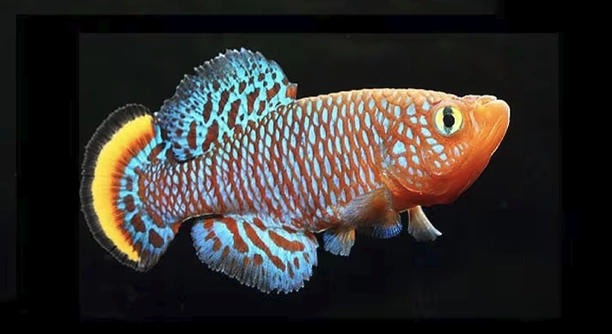
Breeding killifish can be a rewarding hobby for many aquarium enthusiasts. Understanding the basic needs and environment for these colorful fish is important. Success depends on careful preparation and attention to detail throughout the process.
Successful killifish breeding requires specific conditions such as clean water, proper temperature, suitable spawning substrate, adequate nutrition, and controlled light cycles. Ensuring these essentials will promote healthy fish development and increase the chances of successful reproduction.
Knowing the key steps to create the right environment will help you achieve better results and enjoy the beauty of your killifish offspring.
Setting Up the Right Tank Environment
A proper tank setup is the first step to successful killifish breeding. You need a small tank, usually around 5 to 10 gallons, with soft, slightly acidic water. The temperature should be stable, between 72 and 75 degrees Fahrenheit, to encourage spawning. Adding live plants or spawning mops provides surfaces for the fish to lay their eggs. Clean water is essential, so regular partial water changes are necessary to maintain good quality. Avoid strong water currents, as killifish prefer calm conditions. The tank should have a secure lid because these fish are known to jump. Lighting should be moderate and consistent, helping to regulate their natural breeding cycles. Pay attention to these environmental factors to create a comfortable space where killifish feel safe to breed.
Keeping the tank clean and stable will help prevent stress, which is a common reason for breeding failure.
Establishing the right environment not only encourages spawning but also supports the health of both adults and fry. Consistency is key—avoid sudden changes in temperature or water chemistry. Using peat or Indian almond leaves can help lower pH naturally and provide tannins that killifish enjoy. A calm, planted tank mimics their natural habitat, making them more likely to reproduce successfully.
Choosing and Conditioning Breeding Pairs
Selecting healthy, mature killifish is important for breeding success. Males usually have brighter colors, while females are more subdued. Condition the fish by feeding them high-quality live or frozen foods like brine shrimp or daphnia. This helps boost their health and readiness to spawn. Avoid mixing too many fish in one tank to reduce stress and aggression. A well-fed and calm pair is more likely to breed and produce viable eggs.
Conditioning fish properly improves egg quality and increases hatching rates.
Before breeding, isolate the pair for a week or two to strengthen their bond. Monitor their behavior closely; successful pairs will show courtship displays like chasing and flaring fins. Once the pair starts spawning, remove the adults after eggs are laid to prevent egg predation. Regular feeding with nutrient-rich foods keeps the fish in peak condition during this period. Proper conditioning combined with good tank setup gives the best chance for healthy offspring.
Monitoring Water Quality
Maintaining excellent water quality is essential for killifish breeding. Regular testing and water changes keep the environment stable and safe. Avoid sudden shifts in pH, ammonia, or nitrate levels, which can harm eggs and fry.
Water parameters should be checked weekly to prevent problems. Use a reliable test kit to monitor pH, ammonia, nitrite, and nitrate. Ammonia and nitrite must remain at zero, while nitrates should be below 20 ppm. Frequent small water changes—about 20% weekly—help maintain these levels without stressing the fish. Temperature should stay consistent to avoid disrupting breeding behavior. Clean water supports egg development and fry survival, so take this step seriously.
Proper filtration and gentle water flow are also important. A sponge filter works well, providing filtration without strong currents. Avoid overcrowding the tank to reduce waste buildup. Maintaining good water quality creates a healthy environment for killifish to thrive and successfully reproduce.
Providing Suitable Spawning Substrate
Killifish need the right surface to lay eggs. Fine-leaved plants, spawning mops, or peat moss are common choices. These substrates protect eggs and make collection easier.
Peat moss can simulate natural conditions and help maintain water softness and acidity. Live plants like Java moss also provide a safe place for eggs to attach. After spawning, eggs stick to these surfaces, which makes it simpler to remove them for incubation or protect them from adults. Some species prefer laying eggs directly in peat, while others use plants more often. Experiment with different substrates to see what works best for your killifish species.
Removing eggs from the spawning site prevents adults from eating them. Carefully transferring eggs to a separate container or incubation tank improves hatch rates. Providing the right spawning substrate is a simple step that greatly increases your chances of breeding success.
Feeding for Breeding Success
Feeding high-quality, varied foods improves breeding results. Live and frozen foods like brine shrimp and bloodworms boost health and encourage spawning.
Regular feeding of nutritious foods keeps fish strong and ready to reproduce. Avoid overfeeding to prevent water quality issues.
Egg Care and Incubation
After collecting eggs, place them in clean water with gentle aeration. Temperature should be steady, usually between 72 and 75 degrees Fahrenheit. Keep the water clean and monitor daily for fungus. If fungus appears, remove affected eggs or treat with antifungal solutions safe for fish eggs. Incubation time varies by species but generally lasts from 10 days to three weeks. Patience and careful monitoring during this stage increase the chance of healthy fry hatching successfully.
Raising Fry
Feeding tiny, live foods like infusoria or newly hatched brine shrimp helps fry grow. Provide frequent small feedings for best results.
FAQ
What is the best water temperature for killifish breeding?
The ideal temperature for most killifish breeding ranges between 72°F and 75°F. Maintaining a stable temperature within this range encourages spawning and helps eggs develop properly. Avoid sudden temperature changes, as they can stress the fish and reduce breeding success.
How often should I change the water during breeding?
Regular water changes are crucial. A 20% water change once a week is usually enough to keep the water clean and stable. During breeding or when raising fry, more frequent changes might be necessary, but avoid drastic water parameter shifts that could harm the fish.
Can I breed killifish in a community tank?
Breeding killifish in a community tank is not recommended. Other fish often eat the eggs and fry. It’s better to use a separate breeding tank to protect eggs and give fry a better chance to survive.
How do I know when my killifish are ready to breed?
Healthy, mature killifish show bright colors and active behavior. Males will display courtship behaviors like chasing and fin flaring. Females become rounder when full of eggs. Conditioning with high-quality live food helps prepare them for breeding.
What kind of food should I feed killifish during breeding?
Feed a varied diet including live or frozen foods such as brine shrimp, daphnia, and bloodworms. These foods improve the health and fertility of your killifish. Avoid overfeeding to keep water quality high.
How long does it take for killifish eggs to hatch?
The hatching time depends on the species but usually ranges from 10 days to three weeks. Temperature influences incubation speed; warmer water often speeds up hatching, while cooler water slows it down.
Should I remove the parents after spawning?
Yes, it’s best to remove adult killifish after eggs are laid. Many species eat their eggs, so removing the parents protects the eggs and increases hatch rates.
How do I care for killifish eggs?
Keep eggs in clean, soft, slightly acidic water with gentle aeration. Monitor daily for fungus and remove any affected eggs promptly. Maintain stable temperature and water quality to ensure healthy development.
What is the best substrate for killifish spawning?
Fine-leaved plants, spawning mops, or peat moss work well. These substrates allow eggs to attach securely and make collection easier. Peat moss also helps maintain water softness and acidity preferred by many killifish.
How do I feed killifish fry?
Start with tiny live foods like infusoria or newly hatched brine shrimp. Feed small amounts multiple times daily to promote steady growth. As fry grow, introduce larger foods gradually.
Can I breed different killifish species together?
It’s generally not recommended to breed different killifish species together because they may crossbreed or become aggressive. Keeping species separate helps maintain healthy and pure lines.
What are common problems during killifish breeding?
Stress from poor water quality, incorrect temperature, or overcrowding can prevent spawning. Egg fungus is also common. Proper tank maintenance, stable conditions, and removing adults after spawning help avoid these issues.
How often do killifish spawn?
Many killifish spawn regularly, sometimes weekly, if conditions are right. Consistent temperature, good food, and a clean tank support frequent spawning.
Do killifish need special lighting for breeding?
Moderate, consistent lighting helps regulate their natural breeding cycles. Avoid bright or flashing lights, which can stress the fish.
Can I incubate killifish eggs outside the main tank?
Yes, removing eggs to a separate container or incubation tank improves hatch rates by protecting eggs from adults and predators. Keep the incubation water clean and well-aerated.
What should I do if eggs develop fungus?
Remove affected eggs quickly to prevent spread. Using antifungal treatments safe for fish eggs can help. Maintaining clean water reduces the chance of fungus developing.
Is it normal for some eggs not to hatch?
Yes, not all eggs will hatch. Some may be infertile or damaged. Removing dead eggs helps prevent fungus and keeps healthy eggs safe.
How do I prevent adult killifish from eating eggs?
Remove adults right after spawning. Using spawning mops or substrates that allow easy egg removal also helps protect the eggs.
How long can killifish eggs survive without water changes?
Eggs need clean, oxygen-rich water and should not be left in stagnant conditions. Frequent small water changes help maintain oxygen and prevent fungus growth.
Are there differences in breeding between annual and non-annual killifish?
Annual killifish lay drought-resistant eggs that can survive dry periods and hatch later. Non-annual species do not have this ability and need continuous water conditions for eggs to develop.
What signs show healthy fry development?
Healthy fry swim actively, have clear bodies, and start feeding within a few days after hatching. Consistent growth and no deformities indicate good conditions.
These answers cover common concerns and can help you improve your killifish breeding success through simple, consistent care and attention.
Breeding killifish can be a rewarding experience when you understand their needs and provide the right conditions. Paying close attention to water quality, temperature, and tank setup plays a big role in the success of breeding efforts. Creating a calm and stable environment allows the fish to feel comfortable enough to reproduce naturally. Small details, like using suitable spawning substrates and controlling light cycles, also make a difference. Taking these steps shows respect for the natural habits of killifish and helps improve outcomes.
Feeding is another important part of successful breeding. Providing a varied diet rich in live or frozen foods supports the health of both adults and fry. Conditioning the fish with nutritious meals encourages spawning and helps produce strong, healthy eggs. Once the eggs are laid, careful handling and monitoring during incubation help ensure a good hatch rate. Removing the adults from the breeding tank after spawning protects the eggs from being eaten and gives the fry a better chance to grow.
Patience and consistency are key when breeding killifish. Results may not always be immediate, but steady care and attention to detail will increase your chances of success. Observing your fish regularly can help you spot problems early, such as poor water quality or signs of stress. Adjusting the environment as needed keeps your killifish happy and healthy. By following these guidelines, you can enjoy watching the full life cycle of your killifish, from spawning to raising healthy fry.

Hello,
If you enjoy the content that we create, please consider saying a "Thank You!" by leaving a tip.
Every little bit helps us continue crafting quality advice that supports the health, happiness, and well-being of pets around the world, for pets of all shapes, sizes, and species.
We really appreciate the kindness and support that you show us!