
Setting up a tank for swordtails can be an exciting yet challenging task, especially for beginners. Creating a proper environment is key to ensuring these colorful fish thrive. Whether you’re new to fishkeeping or just starting with swordtails, you’ll want to get it right from the start.
A beginner swordtail setup requires a suitable tank, filtration, heating, lighting, proper water conditions, decorations, and appropriate tank mates. These essentials ensure that swordtails have a healthy, stable environment where they can flourish.
Once you’ve gathered these basics, you’ll be well on your way to enjoying your vibrant swordtails. The right setup helps prevent common issues, keeping both you and your fish happy and healthy.
Choosing the Right Tank Size
When setting up a tank for swordtails, the first thing you need to consider is the size of the aquarium. Swordtails are active fish and require a tank with enough space to swim freely. A tank that is at least 20 gallons is ideal for a small group. While swordtails can live in smaller tanks, overcrowding can lead to stress and health issues. It’s important to give them room to grow and move around. A larger tank also helps maintain more stable water conditions, making it easier to balance temperature, pH, and other factors.
A 20-gallon tank should comfortably house up to 6 swordtails.
Make sure the tank is long rather than tall, as swordtails prefer swimming horizontally. Adding more space will not only help maintain water quality but will also reduce territorial behavior, which can be a concern in smaller setups. Also, larger tanks tend to have better filtration systems, which is essential for keeping the water clean.
Filtration and Water Quality
Good filtration is one of the most important aspects of keeping swordtails healthy. Swordtails are not particularly sensitive to water conditions, but they do require clean, well-filtered water to thrive. Choose a filter that is appropriate for the size of your tank. An undergravel filter, sponge filter, or hang-on-back filter are all solid choices.
Your filter should run 24/7 to keep the water circulating and remove waste.
Water quality is also about maintaining the right balance of pH, hardness, and temperature. Swordtails prefer slightly alkaline water with a pH between 7.0 and 8.0. Regular water changes (about 25% every two weeks) will help keep the environment stable. Keeping the temperature in the range of 72-78°F will ensure that your swordtails remain active and healthy. Proper water testing with a reliable test kit will help you monitor the water quality and make adjustments when necessary.
Proper Heating for Swordtails
Swordtails prefer a stable temperature range of 72-78°F. A reliable aquarium heater is crucial for maintaining consistent warmth. Without a heater, temperature fluctuations can stress your fish and lead to illness.
Choose a heater that’s appropriate for your tank size. Adjustable heaters allow you to set and maintain the perfect temperature. A thermometer placed inside the tank will help you monitor the water temperature. Avoid placing the heater near water pumps or filtration outlets, as uneven heating can occur. It’s also a good idea to keep a spare heater on hand in case of failure.
If the water temperature drops below their preferred range, swordtails may become lethargic and more prone to diseases. Additionally, inconsistent heating can lead to stress, which weakens their immune system. Investing in a quality heater will help you maintain a healthy and stable environment for your swordtails. Regularly check the temperature to ensure your fish remain in their ideal range.
Lighting for Your Tank
Swordtails don’t require intense lighting, but providing a consistent light cycle is important for their health. Aim for 10-12 hours of light each day to mimic natural day and night cycles.
LED lights or fluorescent lights are great choices, offering good visibility without overheating the water. The lighting should be bright enough for you to see your fish clearly, but not so bright that it causes algae growth. Timers can help automate the light cycle, making it easier to maintain consistency.
Lighting also plays a role in regulating your fish’s behavior and breeding patterns. Swordtails may breed more frequently when they receive adequate light. Make sure to keep the lighting on a regular schedule to avoid any sudden changes, which could disrupt their natural rhythms. Proper lighting will also bring out the beautiful colors of your swordtails.
Tank Decorations
Swordtails enjoy having plants, rocks, and decorations in their tank. These additions provide hiding spots and reduce stress, especially if you have multiple fish.
Live plants, such as Java fern or Anubias, are great choices because they also help improve water quality by absorbing excess nutrients.
Decorations can mimic the natural environment and give your swordtails places to explore. Avoid sharp or rough objects that might injure their delicate fins. Floating plants can also offer additional cover. Make sure the tank is not overcrowded, as swordtails still need plenty of open swimming space.
Tank Mates
Swordtails are generally peaceful fish but may show aggression towards others of the same species, especially in small tanks.
To avoid aggression, consider adding peaceful tank mates like tetras, guppies, or Corydoras catfish. Avoid aggressive species that might stress your swordtails.
Swordtails get along best with fish that live in similar water conditions and have similar temperaments. They thrive in communities with other peaceful fish. By carefully selecting compatible tank mates, you can ensure a balanced and harmonious environment for all. Always monitor interactions, especially during the initial introduction period.
Water Changes
Regular water changes are essential to keeping your swordtail tank healthy. You should change about 25% of the water every two weeks.
Frequent water changes prevent the buildup of toxins like ammonia and nitrates, which can harm your fish. Be sure to use a water conditioner to remove chlorine and chloramine from tap water.
FAQ
What do swordtails eat?
Swordtails are omnivores, meaning they will eat both plant and animal matter. A balanced diet is important for their health and color. You can feed them a variety of high-quality flake or pellet foods designed for tropical fish. They also enjoy live or frozen foods like brine shrimp, daphnia, and bloodworms, which help enhance their natural colors. You should offer a mix of plant matter such as algae wafers and spinach, as well as protein-rich foods. Make sure to feed them small portions 1-2 times a day, ensuring that all food is consumed within a few minutes to avoid polluting the water.
How many swordtails can I keep in one tank?
Swordtails are active fish, so it’s important to provide enough space for them to swim and explore. A 20-gallon tank can comfortably house up to 6 swordtails. If you want to keep more, increase the tank size accordingly, ideally adding an extra 5 gallons for each additional swordtail. Overcrowding can lead to stress, poor water quality, and increased aggression. It’s also best to maintain a good male-to-female ratio. A group of 1 male to 3 females will help reduce stress and aggression among males.
Do swordtails need a filter?
Yes, swordtails need a good filtration system to maintain clean and oxygen-rich water. A filter helps remove waste, excess food, and harmful toxins from the water, keeping it safe for your fish. Inadequate filtration can lead to poor water quality, which may result in health problems for your swordtails. Depending on the tank size, an undergravel filter, sponge filter, or hang-on-back filter would work well. Be sure to clean or replace the filter media regularly to keep it functioning efficiently.
How do I breed swordtails?
Breeding swordtails is relatively easy compared to other aquarium fish. These fish are livebearers, which means they give birth to live young instead of laying eggs. To encourage breeding, provide a tank with good water quality, proper lighting, and plenty of plants for the young to hide. A ratio of 1 male to 3 females works well to reduce aggression. When the female is ready to give birth, she will appear gravid (having a dark spot near her abdomen). After birth, the baby swordtails can be fed finely crushed food or baby brine shrimp. Be sure to separate the fry from adult fish, as they may be eaten.
How can I tell if my swordtail is male or female?
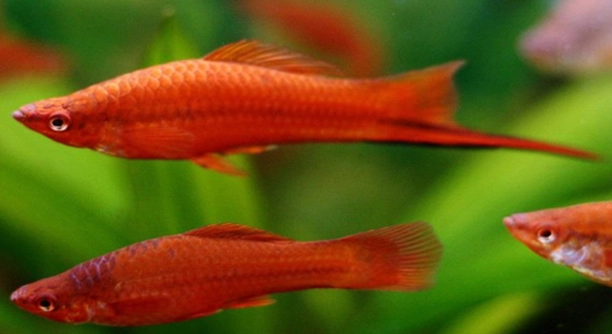
Male swordtails are typically smaller and more colorful than females. They also have a distinctive “sword” – an elongated lower tail fin that gives them their name. Female swordtails are usually larger, less colorful, and have a more rounded tail fin. Additionally, females tend to have a larger, more prominent abdomen, especially when they are pregnant. If you have a mixed group, it’s easier to spot the males due to their vibrant colors and longer tails.
What should I do if my swordtail is sick?
If your swordtail shows signs of illness, such as swimming erratically, loss of color, or lesions, it’s important to act quickly. First, check the water parameters (temperature, pH, ammonia, and nitrate levels) to ensure they are within the optimal range. Poor water quality is often the main cause of fish illness. Isolate the sick fish in a hospital tank if possible and treat them with appropriate medications based on the symptoms. Common ailments in swordtails include external parasites, bacterial infections, and fin rot. Always consult a fish vet or research the symptoms to determine the best course of action.
Do swordtails get along with other fish?
Swordtails are generally peaceful but can be territorial, especially if kept in small tanks. They get along well with other peaceful fish that share similar water conditions. Good tank mates include tetras, guppies, mollies, and Corydoras catfish. Avoid aggressive or fin-nipping species that could stress or harm the swordtails. If you keep multiple males in a small tank, they may compete for dominance, so it’s recommended to have a higher ratio of females to males to prevent aggression.
How long do swordtails live?
Swordtails typically live for about 3 to 5 years, though some can live longer with proper care. Their lifespan is influenced by water quality, diet, tank size, and overall health. Regular maintenance, such as water changes and good filtration, will help your swordtails live a long, healthy life. Additionally, reducing stress by providing them with plenty of swimming space and compatible tank mates will also contribute to their well-being.
What temperature should the water be for swordtails?
Swordtails prefer water that is between 72-78°F (22-26°C). Maintaining a stable temperature is crucial to avoid stressing the fish. You can use an aquarium heater to regulate the temperature, ensuring it stays within the recommended range. Sudden temperature changes or fluctuations can make your swordtails vulnerable to illness and reduce their lifespan.
How often should I feed swordtails?
Swordtails should be fed once or twice a day. Overfeeding can lead to poor water quality and health problems, so only provide as much food as they can eat in a few minutes. Their diet should include both plant and animal matter, such as high-quality flake foods, frozen or live foods, and some vegetable matter like spinach. Remove any uneaten food after a few minutes to prevent it from decaying in the tank.
Final Thoughts
Setting up a proper environment for your swordtails is key to keeping them healthy and happy. With the right tank size, clean water, and suitable tank mates, your swordtails can thrive in your aquarium. Remember, swordtails are active fish, so it’s important to give them enough space to swim and explore. A tank that’s at least 20 gallons is ideal, but if you have more fish, you’ll need a larger tank. This gives you the flexibility to keep multiple swordtails together without overcrowding.
In addition to proper tank size, water quality is crucial. Regular water changes, a good filtration system, and the right water parameters will help your swordtails live long and healthy lives. It’s also important to keep their tank stable, with a consistent temperature and lighting. Swordtails are relatively easy to care for, but they do need a balanced diet, which includes both plant-based and protein-rich foods. Offering a variety of foods will help them stay active and vibrant. Make sure to avoid overfeeding, as this can lead to water quality issues.
Lastly, swordtails are social fish, so they enjoy the company of other peaceful fish. However, be mindful of their temperament when choosing tank mates. Male swordtails can sometimes be aggressive toward each other, so it’s best to maintain a good male-to-female ratio. Providing plenty of hiding spaces and plants can help reduce stress and prevent territorial behavior. By keeping your swordtails’ environment clean, balanced, and well-maintained, you’ll be able to enjoy their vibrant colors and lively personalities for years to come.

Hello,
If you enjoy the content that we create, please consider saying a "Thank You!" by leaving a tip.
Every little bit helps us continue crafting quality advice that supports the health, happiness, and well-being of pets around the world, for pets of all shapes, sizes, and species.
We really appreciate the kindness and support that you show us!