
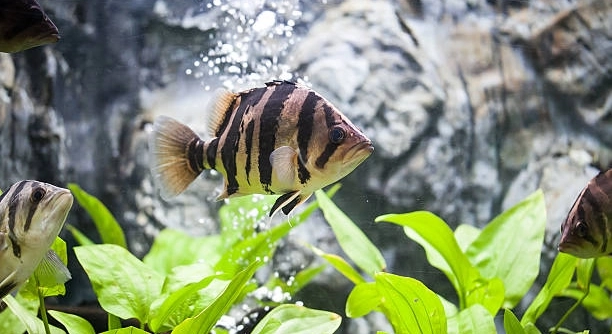
Are your tiger barbs swimming restlessly or picking at one another more than usual, leaving you unsure if their needs are being met?
Every tiger barb owner needs seven basic essentials to maintain a healthy and stress-free environment. These include proper tank size, clean water, ideal temperature, compatible tank mates, varied diet, hiding spots, and regular monitoring for signs of illness.
Knowing what they need makes it easier to give them a comfortable, balanced life in their aquarium home.
Right Tank Size and Space
Tiger barbs are active swimmers that need plenty of space. A small tank can lead to stress, aggression, and poor health. For a small group of five or six tiger barbs, a minimum 20-gallon tank is necessary. These fish are fast and social, so extra room helps them swim freely and interact without conflict. Overcrowding increases the chance of fin-nipping, which is common in tiger barbs when they don’t have enough room. A larger tank also makes it easier to maintain stable water conditions, which are essential for their overall health. Add plants and decorations that create natural boundaries while still leaving open swimming areas. Long tanks work better than tall ones, giving them more lateral space. Choosing the right tank from the beginning can reduce future problems and provide a more peaceful environment.
A bigger tank doesn’t just benefit the fish—it makes maintenance easier and improves the overall tank setup.
When tiger barbs feel crowded, they often become aggressive toward each other. A properly sized tank reduces tension and supports their social behavior. By choosing a tank that matches their activity level and group size, you’ll prevent stress, create a better visual layout, and help your tiger barbs stay active and healthy every day.
Clean and Stable Water
Good water quality is non-negotiable. Ammonia, nitrite, or unstable pH levels can make tiger barbs sick quickly.
Clean water is one of the most important things tiger barbs need. A reliable filter that can handle your tank size helps maintain water clarity and remove waste. Perform partial water changes weekly, about 25–30%, to remove toxins that build up from uneaten food and fish waste. Use a water conditioner to neutralize harmful chemicals like chlorine. Keep your water temperature stable between 74°F and 78°F, and use a heater with a thermostat for consistency. Always test your water regularly for ammonia, nitrite, nitrate, and pH using a reliable kit. Tiger barbs prefer a pH between 6.0 and 8.0. Rapid changes in water quality can lead to stress or disease. A stable environment supports a healthy immune system and allows their bright colors and active nature to thrive. Investing in water maintenance will save you stress and vet bills later.
Consistent Water Temperature
Tiger barbs do best in warm water. A consistent temperature between 74°F and 78°F keeps them active and healthy. Sudden drops or spikes can cause stress, lower immunity, and increase the chance of illness in your tank.
Use an adjustable aquarium heater with a built-in thermostat to maintain stable temperatures. Place the heater near the filter outlet to help distribute heat evenly across the tank. Avoid placing your aquarium near windows or vents that might affect the temperature. During colder months, monitor the tank more often, as room temperatures can shift without notice. Always use a separate thermometer to double-check that your heater is accurate. If you notice your tiger barbs hiding more or becoming sluggish, check the water temperature first. Stable warmth supports proper digestion, keeps their metabolism balanced, and helps prevent stress-related diseases. Maintaining the right temperature is a simple but essential part of everyday care.
If your home temperature changes throughout the day, consider a backup heater or a temperature controller with an alarm. This gives you extra protection if your main heater fails or the tank begins to cool too much. Stable warmth not only keeps your tiger barbs healthy but also helps maintain water chemistry, reducing the chance of pH swings.
Compatible Tank Mates
Tiger barbs are semi-aggressive and can nip at slower or long-finned fish. It’s best to avoid placing them with angelfish or bettas. Choose active, short-finned species that can match their energy without clashing.
Good tank mates include zebra danios, cherry barbs, loaches, or even other tiger barb groups if the tank is large enough. Keeping tiger barbs in groups of six or more helps spread out any aggressive behavior and keeps them focused on each other instead of bothering other fish. If aggression continues, adding visual barriers like plants or rocks can help break up the line of sight and reduce tension. When introducing new fish, monitor them closely during the first few days. Compatibility isn’t just about size or speed—group dynamics, space, and personality also matter. Choosing tank mates wisely creates a more peaceful tank and lets all species thrive together with less conflict.
Balanced Diet
Tiger barbs need a varied diet to stay active and vibrant. High-quality flakes or pellets should form the base, but add frozen or live foods like brine shrimp or bloodworms for extra protein and enrichment. Rotate foods to support immunity and reduce boredom.
Feed them small amounts two to three times daily, just what they can finish in under two minutes. Overfeeding leads to water issues and health problems. Remove uneaten food right away to keep the tank clean and prevent waste buildup. A balanced diet supports growth, coloration, and long-term health.
Hiding Spots and Decorations
Adding plants, driftwood, or caves gives tiger barbs a place to rest and feel secure. These hiding spots help reduce stress, especially when they’re startled or during tank maintenance. Avoid sharp decorations that can tear their fins.
Regular Monitoring
Check your tiger barbs daily for changes in behavior, color, or appetite. Early signs of illness or stress are easier to treat when noticed quickly.
FAQ
How many tiger barbs should I keep together?
Tiger barbs are schooling fish and do best in groups of at least six. When kept in smaller numbers, they tend to become aggressive or stressed. A group allows them to interact naturally and reduces fin-nipping behaviors. If you have the space, consider keeping even more. Larger groups help disperse any aggression among themselves, making the environment more stable. Always be sure your tank size matches the group—20 gallons is the minimum, but 30 gallons or more is ideal for larger schools. Keeping them in groups supports their social needs and overall well-being.
Can tiger barbs live with other fish?
Yes, tiger barbs can live with other fish, but you have to be selective. Avoid slow-moving or long-finned species like angelfish or guppies, as tiger barbs may nip at them. Good tank mates include fish that are quick, similarly sized, and active—such as zebra danios, rosy barbs, or yoyo loaches. Always introduce new fish slowly and observe their behavior. If you notice constant chasing or biting, it may not be a good fit. Adding hiding spots and keeping your tiger barbs in a proper group also reduces aggression toward tank mates. Compatibility makes a big difference in community tanks.
What’s the best temperature for tiger barbs?
Tiger barbs need a stable water temperature between 74°F and 78°F. Water that is too cold slows their metabolism and can lead to illness, while water that’s too hot causes stress. Use a reliable aquarium heater with a thermostat, and check the temperature with a separate thermometer. Place the heater near the filter output so heat distributes evenly. Avoid placing the tank near windows, radiators, or vents that can affect water temperature. If the temperature fluctuates often, tiger barbs may become lethargic or show signs of stress. Consistency is key for keeping them healthy and active.
How often should I feed tiger barbs?
Feed tiger barbs two to three times a day in small amounts. Give only what they can finish within two minutes to avoid leftovers that can pollute the tank. Rotate between quality flakes, pellets, and protein-rich foods like bloodworms or brine shrimp. Too much food can lead to bloating or swim bladder issues, and uneaten food will raise ammonia levels in the water. Keep a feeding schedule and adjust portions based on your observations. If your barbs are growing or particularly active, a little more may be fine—but always watch how they respond.
Do tiger barbs need plants or decorations?
Yes, tiger barbs benefit from plants, driftwood, and other decorations. These provide shelter and help reduce stress. While they’re active swimmers, they also need places to hide or rest. Choose smooth, fish-safe decorations and avoid anything sharp that could damage their fins. Live or silk plants work well and also help maintain water quality. Spread out the decorations to break up open space while still allowing room for swimming. Adding these elements creates a more natural and calming environment. It also gives shy or stressed fish places to retreat if needed.
How can I tell if my tiger barbs are healthy?
Healthy tiger barbs are active, have clear eyes, vibrant color, and a steady appetite. Watch for signs like faded colors, clamped fins, sluggish behavior, or loss of appetite—these may indicate stress or illness. Also check for physical signs like white spots, frayed fins, or bloating. Monitor water quality closely, as many health issues begin with poor tank conditions. Quick action can prevent minor issues from becoming serious. Keep an eye on how they interact with each other and their environment. A stable routine, good diet, and regular observation all help keep your tiger barbs in top condition.
Final Thoughts
Tiger barbs are active, social fish that bring energy to any aquarium. But to keep them healthy, they need more than just food and water. Providing the right tank size, stable water conditions, a balanced diet, and compatible tank mates makes a big difference. These essentials help reduce stress and support their natural behaviors. When their basic needs are met, tiger barbs become less aggressive and more enjoyable to watch. A proper setup not only benefits your fish but also makes daily care easier for you.
Caring for tiger barbs means staying consistent. They need clean water, regular monitoring, and a tank environment that suits their active nature. Hiding spots, proper lighting, and stable temperature all work together to support their well-being. When things are balanced, they show off their colors and swim confidently throughout the tank. Even small changes in care, like adjusting their diet or improving water quality, can make a visible improvement in their behavior and health. Taking the time to learn about their needs can prevent common problems before they start.
Keeping tiger barbs can be simple when you focus on the essentials. Start with the basics—space, clean water, and the right food—then adjust based on how your fish behave. Watch them closely and respond if something seems off. A peaceful tank full of active, healthy fish is a good sign you’re doing things right. With the right setup and attention, tiger barbs will thrive and add movement and color to your aquarium for years.

Hello,
If you enjoy the content that we create, please consider saying a "Thank You!" by leaving a tip.
Every little bit helps us continue crafting quality advice that supports the health, happiness, and well-being of pets around the world, for pets of all shapes, sizes, and species.
We really appreciate the kindness and support that you show us!