
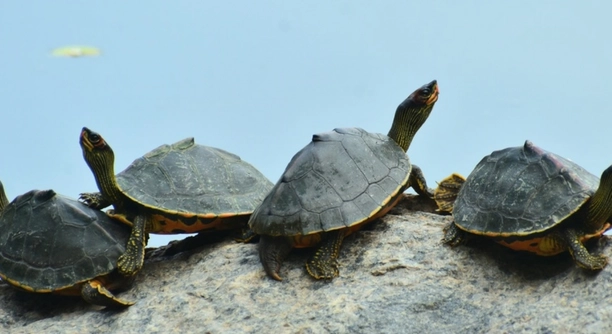
Maintaining clean and healthy water is vital for your Indian Roofed Tortoise’s well-being. Proper water quality ensures they live a long, happy life, preventing common health issues and promoting their natural behavior. Here are seven essential tips.
To keep your tortoise’s tank water clean, maintain regular water changes, avoid overfeeding, and use a reliable filtration system. Regularly check for harmful bacteria and toxins, and monitor the temperature and pH levels for optimal health.
These simple steps can enhance your tortoise’s habitat, promoting better water quality and, ultimately, its overall health. Keep reading for detailed tips!
Keep Water Temperature Stable
Water temperature plays a significant role in the health of your Indian Roofed Tortoise. Tortoises thrive in water that is not too cold or too warm. Maintaining a stable temperature between 75-80°F (24-27°C) is essential for their activity level and digestion. If the water is too cold, it can lower their immune system, making them vulnerable to infections. On the other hand, water that is too hot can stress them out and increase the chances of algae growth, which can cloud the water.
Using an aquarium heater is a great way to ensure that the water temperature remains consistent. Make sure the heater is set at the right temperature for your tortoise’s needs. Also, investing in a reliable thermometer will help you monitor fluctuations throughout the day.
When the water temperature stays stable, your tortoise will feel more comfortable and active. It also prevents stress and helps in digestion, ensuring that they stay healthy for a long time. Check the water regularly to ensure the heater is functioning properly and adjust the temperature as needed.
Maintain Water Filtration
Proper filtration helps to keep your tortoise’s habitat clean and safe.
A high-quality filtration system is essential to remove waste and debris from the water. Over time, even the smallest particles of food, waste, and organic matter can build up, making the water murky and unhealthy.
By choosing the right filter for the tank size, you can ensure that the water stays clear and clean. Look for filters that can handle the volume of water in your tank and are easy to clean. It’s important to clean the filter regularly to avoid clogs and maintain its effectiveness. Additionally, replace filter cartridges as needed, as old ones lose their ability to trap debris.
A good filter will significantly reduce the frequency of water changes, making it easier to maintain a healthy environment. Regular maintenance ensures your tortoise stays happy and avoids waterborne illnesses.
Monitor pH Levels
Monitoring the pH of the water is vital for your tortoise’s health. The ideal pH level for an Indian Roofed Tortoise tank is between 6.5 and 7.5.
If the pH is too low or too high, it can cause stress and discomfort for your tortoise. A proper pH range ensures their system functions normally, reducing the risk of disease. To maintain ideal pH levels, use a testing kit regularly to check the water.
Changing the water regularly and using a good filter can help keep the pH balanced. If necessary, use pH stabilizers designed for aquariums. Make sure the water remains within the appropriate range for your tortoise to stay healthy and active.
Avoid Overfeeding
Overfeeding your tortoise can lead to poor water quality. Uneaten food will decay in the water, causing an increase in ammonia and harmful bacteria.
It’s important to offer just enough food for your tortoise to consume in a short time. Remove any leftovers after feeding to prevent contamination. Overfeeding not only harms the water but can also lead to obesity in your tortoise.
In addition, uneaten food can break down, causing a rise in toxins that can harm your tortoise’s health. Ensure you feed the right portion size and keep their feeding schedule consistent. This small step can help avoid future water quality issues.
Use a Substrate
Using a substrate in the tank helps to maintain the water quality by providing a natural filter.
Choose a substrate that is easy to clean and does not cause water contamination. Gravel or river rock is a great choice, as it provides a natural environment for the tortoise. Avoid using fine sand, as it can cloud the water and trap debris.
Keep Water Clean
Regularly cleaning the tank and replacing the water will prevent harmful bacteria from building up.
Clean the tank at least once a week. Remove any waste or leftover food. A partial water change of about 20-30% each week can help keep the water clear.
Provide Proper Lighting
UVB lighting is essential for your tortoise to maintain healthy bones and shell.
Proper lighting ensures that your tortoise gets the necessary vitamin D3 from UVB rays. Without it, they may suffer from metabolic bone disease. Keep the UVB light on for about 10-12 hours a day, and replace the bulb every 6 months to ensure it remains effective.
FAQ
How often should I change the water in my Indian Roofed Tortoise tank?
Changing the water regularly is crucial for maintaining a healthy environment. Perform a partial water change of 20-30% every week. If the tank is heavily polluted or your tortoise is particularly messy, more frequent changes may be necessary. Keep an eye on the water’s clarity and smell, as these indicators will let you know when a change is needed.
Can I use tap water for my tortoise tank?
Tap water can be used, but it’s important to treat it first. Many tap water supplies contain chlorine, chloramine, or other chemicals that can harm your tortoise. Use a water conditioner specifically designed to neutralize these chemicals. It’s also important to monitor the water’s pH and temperature before adding it to the tank.
What type of filtration system is best for an Indian Roofed Tortoise tank?
A good filtration system is essential to maintain clean water. A canister filter or a sponge filter is often recommended for tortoise tanks. Canister filters are effective at removing waste, debris, and harmful substances, while sponge filters provide biological filtration without the risk of pulling small tortoises or hatchlings into the system. Ensure the filter is sized appropriately for the volume of your tank.
Is it necessary to use a heater in the water?
While heaters are not always necessary, they can be beneficial, especially in cooler climates. The ideal water temperature for an Indian Roofed Tortoise is around 75-80°F (24-27°C). A submersible aquarium heater can help maintain a consistent temperature. However, be sure to regularly check the water temperature with a thermometer to avoid overheating.
What are some signs of poor water quality for my tortoise?
Signs of poor water quality include cloudy water, a strong odor, and visible waste or uneaten food in the water. Tortoises may also show signs of stress such as lethargy, lack of appetite, or abnormal behavior. If you notice these signs, perform a water change immediately and assess your tank’s filtration system and cleaning routine.
How can I prevent algae growth in my tortoise tank?
Algae growth can be managed by controlling light exposure, water temperature, and nutrient levels. Avoid placing the tank in direct sunlight, as this promotes algae growth. Additionally, using a quality filter helps remove organic waste that feeds algae. Regular water changes and cleaning the tank will also prevent algae buildup.
Can I use a sand substrate for my tortoise tank?
It’s generally not recommended to use fine sand as a substrate in a tortoise tank. Sand can trap waste and debris, leading to poor water quality. It can also make the water cloudy. If you prefer a natural look, use larger, clean gravel or river rocks as a substrate instead, as they are easier to clean and help filter the water naturally.
Should I provide my tortoise with an area to bask in the tank?
Yes, a basking area is essential for your tortoise’s health. Indian Roofed Tortoises need to regulate their body temperature, and providing a dry basking spot under a heat lamp allows them to warm up when necessary. This also promotes proper digestion and overall well-being. Ensure the basking area is easily accessible and safe.
How do I test the water’s pH level?
Testing the water’s pH is simple with a pH test kit designed for aquariums. These kits are available at pet stores or online. Follow the instructions carefully to obtain an accurate reading. Aim for a pH between 6.5 and 7.5, as this range is ideal for your tortoise’s health.
Why is water quality so important for my Indian Roofed Tortoise?
Water quality directly impacts your tortoise’s health. Poor water conditions can lead to infections, skin issues, and digestive problems. Clean, well-maintained water helps prevent diseases and allows your tortoise to thrive in its environment. Healthy water ensures that your tortoise remains active, eats well, and exhibits normal behavior.
Final Thoughts
Maintaining good water quality in an Indian Roofed Tortoise tank is essential for the health and well-being of your tortoise. Clean water helps prevent diseases, supports proper digestion, and ensures your tortoise stays active. By monitoring key aspects like pH, temperature, and cleanliness, you can create a healthy environment for your pet. Regular water changes, using the right filtration system, and removing uneaten food will go a long way in improving water quality.
Along with water quality, consider factors such as lighting, heating, and tank size. A proper basking area, along with UVB light, ensures your tortoise gets the nutrients it needs. A consistent temperature range of 75-80°F for the water and 85-90°F for the basking area will help your tortoise regulate its body temperature and stay comfortable. Additionally, make sure the tank is large enough to give your tortoise room to move freely, as cramped spaces can lead to stress and health issues.
The effort you put into maintaining clean water and providing a proper habitat will result in a healthier and happier tortoise. Pay attention to the signs of poor water quality, like cloudy water or unusual behavior in your tortoise, and act quickly if you notice any issues. With regular care, you can ensure your Indian Roofed Tortoise thrives in its environment and lives a long, healthy life.

Hello,
If you enjoy the content that we create, please consider saying a "Thank You!" by leaving a tip.
Every little bit helps us continue crafting quality advice that supports the health, happiness, and well-being of pets around the world, for pets of all shapes, sizes, and species.
We really appreciate the kindness and support that you show us!