
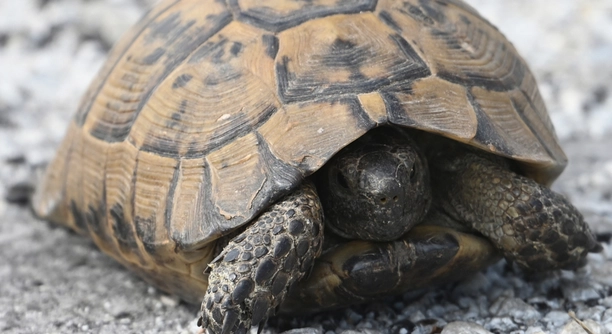
Greek tortoises are fascinating creatures, but their health requires proper care, particularly when it comes to their diet. A balanced and nutritious diet is crucial to keep them healthy and thriving in their environment.
Essential vitamins play a key role in supporting the overall well-being of Greek tortoises. These vitamins contribute to their immune system, bone health, and proper growth. Ensuring that your tortoise gets the right vitamins is vital to their long-term health and vitality.
Understanding the vitamins your tortoise needs will help provide the proper care they deserve. Keep reading to learn more about the essential vitamins for your Greek tortoise’s health.
Vitamin A: Essential for Vision and Immune Function
Vitamin A is one of the most important vitamins for your Greek tortoise. It plays a vital role in maintaining healthy vision, especially in low-light environments. Additionally, it supports the immune system, ensuring that your tortoise can fight off infections and illnesses. Without enough vitamin A, your tortoise may struggle with eye problems or weakened immunity.
A deficiency in vitamin A can lead to various health issues. The most common signs include swollen eyes or difficulty seeing, and in severe cases, it may cause respiratory infections. It’s essential to provide foods rich in vitamin A, such as dark leafy greens and certain vegetables.
To ensure your tortoise is getting the proper amount of vitamin A, feed them a varied diet. Include vegetables like kale, spinach, and carrots. These will help keep your tortoise’s eyes healthy and support overall well-being. Regular exposure to natural sunlight also helps with vitamin A absorption.
Vitamin D: Vital for Calcium Absorption
Vitamin D is crucial for calcium absorption in your tortoise’s body. Without it, they won’t be able to properly use calcium, which is essential for strong bones and a healthy shell. A lack of vitamin D can lead to shell deformities and other bone-related issues.
This vitamin is naturally produced when your tortoise is exposed to sunlight. However, if you live in an area with limited sunlight, you may need to supplement their diet with a vitamin D supplement or provide a UVB light source. Providing this vitamin will help your tortoise maintain strong, healthy bones and prevent conditions like metabolic bone disease.
Ensuring proper calcium intake, paired with sufficient vitamin D, will keep your tortoise strong. Regular exposure to UVB light and feeding them calcium-rich foods will support their overall health. Make sure your tortoise has access to natural sunlight or an artificial light source that provides the necessary UVB rays.
Vitamin C: Important for Immune Support
Vitamin C is essential for your Greek tortoise’s immune system. It helps fight off infections and keeps their skin, cartilage, and blood vessels healthy. Unlike humans, tortoises can produce their own vitamin C, but they still benefit from extra intake through their diet.
A diet rich in vitamin C can support your tortoise’s health in many ways. You can provide it through foods like bell peppers, kale, and strawberries. These foods will give your tortoise the nutrients they need to stay strong and healthy. While vitamin C is not stored in the body, regular intake is key to maintaining optimal health.
Tortoises that don’t receive enough vitamin C may experience poor immune function, slow healing from injuries, and potential skin issues. Adding a variety of fruits and vegetables to their diet will ensure they’re getting a balanced supply of this important vitamin. Be sure to regularly offer fresh produce to keep your tortoise in the best health possible.
Vitamin E: Antioxidant Protection
Vitamin E is another important vitamin for tortoise health. It acts as an antioxidant, protecting cells from damage caused by free radicals. This helps reduce the risk of various health issues, including heart disease and certain cancers.
Providing vitamin E helps your tortoise maintain healthy skin, prevent muscle weakness, and support their immune system. Rich sources of vitamin E include dandelion greens, collard greens, and turnip greens. Including these in your tortoise’s diet will promote good health and well-being.
Ensure that you provide fresh, high-quality greens to support their needs. Some tortoises may also benefit from occasional supplementation, especially if their diet lacks variety. Like all vitamins, balance is key, as too much vitamin E can cause its own issues, so be cautious when adding supplements.
Vitamin K: Essential for Blood Clotting
Vitamin K is important for blood clotting and bone health. It helps prevent excessive bleeding by ensuring that the body can form clots when needed. Without enough vitamin K, your tortoise may experience difficulty healing from cuts or wounds.
Leafy greens, such as kale and mustard greens, are rich in vitamin K. Including these in your tortoise’s diet will support healthy blood clotting and bone development. Over time, a consistent intake of vitamin K will contribute to overall wellness and recovery, especially for older tortoises who may be more prone to injury.
Vitamin B Complex: Vital for Energy and Growth
The B vitamins are a group of essential nutrients that support energy production, metabolism, and growth in tortoises. These vitamins are vital for healthy digestion and help maintain proper nerve function. The B complex group includes B1, B2, B3, B5, B6, B7, B9, and B12.
You can find B vitamins in a variety of fresh greens, fruits, and vegetables. Foods like zucchini, lettuce, and apples are great sources for your tortoise. Providing a mix of these foods ensures your tortoise gets the full spectrum of B vitamins, promoting good energy levels and healthy growth.
Vitamin A and D Deficiency Symptoms
A deficiency in vitamins A or D can lead to serious health issues in your Greek tortoise. Signs of a deficiency include swollen eyes, lethargy, and poor shell growth. These symptoms should be addressed quickly by adjusting their diet to include more nutrient-rich foods.
FAQ
How do I know if my Greek tortoise is getting enough vitamins?
You can observe your tortoise’s behavior and physical appearance for signs of vitamin deficiency. If they’re lethargic, have swollen eyes, or exhibit poor shell growth, these may indicate a lack of essential vitamins like A, D, or E. Regular vet check-ups can help monitor their health and ensure they’re getting all necessary nutrients. A balanced diet with a variety of greens, vegetables, and fruits is essential to meet their vitamin requirements.
What should I feed my tortoise to ensure it gets enough vitamin A?
To provide vitamin A, focus on offering dark leafy greens, such as kale, collard greens, and dandelion leaves. You can also give carrots and sweet potatoes, which are packed with beta-carotene, the plant form of vitamin A. A diet rich in these foods will help keep your tortoise’s eyes and immune system healthy.
Can I give my tortoise supplements for vitamins?
Yes, supplements can be used if you suspect that your tortoise’s diet is lacking in specific vitamins. However, supplements should only be used after consulting a vet, as too much of certain vitamins can be harmful. It’s always best to focus on a well-rounded diet that includes a variety of fresh foods to naturally meet your tortoise’s vitamin needs.
Is sunlight necessary for my tortoise’s health?
Yes, sunlight is essential for your tortoise’s health, particularly for vitamin D production. UVB light from natural sunlight helps your tortoise absorb calcium and maintain strong bones and a healthy shell. If natural sunlight isn’t available, you should use a UVB light in their enclosure to mimic the sun’s effects.
How can I help my tortoise with calcium absorption?
Calcium absorption is supported by vitamin D, so it’s crucial to ensure your tortoise gets enough of both. Regular exposure to UVB light or natural sunlight will help with vitamin D production. Additionally, providing calcium-rich foods like leafy greens, dandelion, and calcium supplements can further support bone health.
What are the signs of vitamin E deficiency in my tortoise?
Vitamin E deficiency can lead to muscle weakness, poor skin condition, and overall lethargy. Your tortoise may also have trouble moving or become easily fatigued. To prevent vitamin E deficiency, feed your tortoise foods like dandelion greens, turnip greens, and other leafy vegetables that are rich in this vitamin.
Can I feed my tortoise fruit to provide vitamins?
Yes, fruit can be a good source of vitamins, particularly vitamin C and A. Offer small amounts of fruit like strawberries, blueberries, or melon to add variety to their diet. However, fruit should be fed sparingly due to its high sugar content, which can cause digestive issues if overfed.
How often should I feed my tortoise vegetables and fruits?
Vegetables should make up the majority of your tortoise’s diet, while fruits should be given as a treat a few times a week. A proper diet includes about 80-90% leafy greens and vegetables, with the remaining 10-20% consisting of fruits, flowers, and other occasional foods. Overfeeding fruits can lead to an imbalance in their diet.
Is it necessary to feed my tortoise different types of greens?
Yes, offering a variety of greens ensures your tortoise gets a broad spectrum of vitamins and minerals. Mixing different leafy greens such as kale, mustard greens, and dandelion leaves will provide diverse nutrients, keeping their diet balanced and preventing deficiencies in any particular vitamin or mineral.
What can happen if I over-supplement my tortoise’s diet?
Over-supplementing can lead to vitamin toxicity, which can cause serious health issues. For example, excessive vitamin A or D can cause organ damage or shell deformities. It’s always best to consult a vet before adding any supplements to your tortoise’s diet and to stick with natural food sources when possible.
How can I prevent my tortoise from developing metabolic bone disease?
To prevent metabolic bone disease, ensure your tortoise receives adequate calcium and vitamin D. This can be achieved through proper diet, including calcium-rich greens, and by providing UVB light to help with vitamin D production. Regular vet check-ups can also help monitor calcium levels.
Can my tortoise live on just one type of food for vitamins?
No, it’s important to feed your tortoise a variety of foods to ensure they receive all the essential vitamins. A diet consisting of only one food type can lead to vitamin deficiencies. A mix of leafy greens, fruits, and occasional flowers will help provide a balanced, nutrient-rich diet.
Final Thoughts
Maintaining proper health for your Greek tortoise relies heavily on providing a balanced diet that meets their vitamin and mineral needs. Vitamins like A, D, E, and K are essential for everything from eye health to bone growth. A diet rich in leafy greens, vegetables, and fruits helps ensure they receive the right amount of these nutrients. However, you should avoid over-relying on supplements and focus on natural food sources. If you’re unsure about what to feed your tortoise, a vet can offer guidance on specific needs and adjustments.
It’s important to keep in mind that a tortoise’s diet should be varied and filled with different types of greens and vegetables. For example, kale, dandelion greens, and mustard greens are excellent sources of essential vitamins. Including these types of greens regularly will support your tortoise’s immune system, help them absorb calcium, and encourage healthy shell growth. You can also introduce occasional fruits as a treat, but it’s important to limit their intake due to the high sugar content. Always provide your tortoise with a mix of food to avoid deficiencies and keep their diet balanced.
Lastly, never forget the importance of UVB light. Sunlight or a proper UVB light source is crucial for your tortoise’s ability to process calcium and maintain strong bones. Without it, your tortoise could develop serious health problems like metabolic bone disease. Ensuring they receive the correct amount of sunlight and proper nutrition will give them the best chance for a long, healthy life. Regular check-ups with a vet are also recommended to track their progress and make adjustments to their diet as necessary.

Hello,
If you enjoy the content that we create, please consider saying a "Thank You!" by leaving a tip.
Every little bit helps us continue crafting quality advice that supports the health, happiness, and well-being of pets around the world, for pets of all shapes, sizes, and species.
We really appreciate the kindness and support that you show us!