
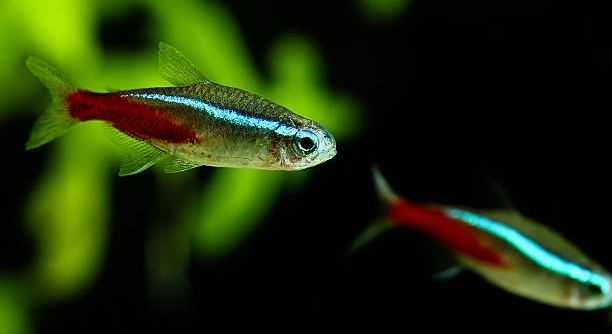
Neon Tetras are a popular choice for aquarium enthusiasts, known for their vibrant colors and peaceful nature. Caring for them requires specific tools that help maintain a healthy environment for these beautiful fish.
Essential tools for neon tetra aquarists include high-quality filters, aquascaping supplies, a water test kit, a reliable heater, fish nets, a water siphon, and a breeding trap. Each item helps ensure optimal water quality and healthy fish development.
With the right tools, aquarists can keep their neon tetras happy and thriving. Understanding each tool’s role in the aquarium environment ensures long-term success in fish care.
Essential Tools for Maintaining Water Quality
One of the most important aspects of keeping neon tetras healthy is maintaining water quality. These small fish are highly sensitive to changes in their environment. Regular testing ensures the water remains clean, safe, and stable. Tools such as water test kits are essential in monitoring parameters like pH, ammonia, nitrites, and nitrates. These tools help detect potential issues before they become serious problems. Proper filtration is also vital in removing waste and toxins that can build up over time. With a good filter, the water stays clear, preventing harmful substances from harming the fish.
Water conditioners are equally important, especially for tap water that contains chlorine or heavy metals. A conditioner helps neutralize these elements, making the water safe for your fish. The more consistent you are with testing and water changes, the better your tetras will thrive.
Water quality is essential for the health of your fish. Without the right equipment, maintaining clean and safe water can become challenging. Ensuring a consistent routine will allow your neon tetras to live a long, healthy life.
Proper Heating for a Stable Environment
Neon tetras require stable water temperatures to stay healthy.
A reliable aquarium heater ensures that the water temperature stays within the ideal range of 72 to 80°F (22 to 27°C). Fluctuations in temperature can stress the fish, making them more vulnerable to disease. A good heater allows for consistent warmth and can be adjusted to the specific needs of your tank.
A stable environment is key to neon tetras’ overall well-being. Sudden temperature changes can stress them, leading to weakened immune systems and increased susceptibility to illness. Using a high-quality heater with a thermometer helps prevent these issues. Be sure to regularly check the heater’s setting and the water temperature to ensure it remains within the appropriate range.
Choosing the Right Filter
A good filter is essential for keeping neon tetras healthy. It helps maintain clean water by removing waste, uneaten food, and toxins. Filters come in various sizes, so it’s important to choose one that fits your tank’s needs.
Filters help prevent the build-up of harmful substances. For neon tetras, a filter with a gentle flow is ideal, as they prefer calm water. A filter that is too strong can stress the fish and cause them to avoid swimming freely. Regular maintenance, like cleaning the filter media, ensures it continues to work effectively.
Choosing the right filter is critical for maintaining a balanced and healthy environment. Make sure the filter’s capacity matches your tank size, and clean it regularly to avoid clogging. Having a filter that properly circulates water will help ensure a steady, clean flow throughout the tank.
Water Siphon for Easy Maintenance
A water siphon is a handy tool for maintaining tank cleanliness. It allows for easy water changes and removal of debris from the substrate.
Regular water changes are crucial for neon tetras, as they are sensitive to water quality. The siphon works by drawing water out while removing excess food, waste, and dirt that may accumulate at the bottom of the tank. Keeping the substrate clean reduces the risk of bacterial growth and keeps the water clearer.
Using a siphon can make water changes much more efficient. Simply attach the siphon to the tank, and it will drain the water quickly without disturbing the fish. After draining, you can replace the water with fresh, dechlorinated water. This process helps ensure that the tank remains clean and your neon tetras thrive.
Fish Nets for Safe Handling
Fish nets are essential for safely moving neon tetras. They are gentle on the fish and prevent injury during transfers.
A good net ensures that fish are handled with care. Neon tetras are small and delicate, so using a net with a fine mesh helps reduce stress. Make sure the net size fits your tank.
Fish nets come in various sizes and shapes, so choosing one that suits your tank setup is important. Using a net for catching and moving fish prevents the risk of causing harm when relocating them to a quarantine tank or new aquarium.
Breeding Trap for Safe Spawning
A breeding trap is useful for separating neon tetras during breeding. It provides a controlled space for the fish to lay eggs.
Neon tetras are easy to breed under the right conditions. A breeding trap ensures that the eggs are protected from other fish that may eat them. It also gives the parents space to spawn without interference. After the eggs hatch, you can move the fry to a separate tank.
Breeding traps are available in different sizes and designs. They are a must-have if you’re interested in breeding neon tetras, allowing for a safe environment for the fish to reproduce while maintaining the main tank’s stability.
FAQ
What size tank is best for neon tetras?
A 10-gallon tank is the minimum recommended size for neon tetras. These small fish prefer swimming in schools and require enough space for multiple fish. A larger tank, like a 20-gallon or 30-gallon, will provide even more room for them to move around and thrive. Larger tanks also offer more stability in terms of water parameters, making it easier to maintain ideal conditions.
Can neon tetras live with other fish?
Yes, neon tetras are peaceful fish and do well in community tanks with other small, non-aggressive species. They are typically safe with fish like guppies, corydoras catfish, and other small tetras. Avoid housing them with large or aggressive fish that might see them as food. Proper research is important when choosing tankmates for neon tetras.
What should I feed my neon tetras?
Neon tetras are omnivores and will accept a variety of foods. Their diet can consist of high-quality flake food, frozen or live foods like daphnia, brine shrimp, or bloodworms. A balanced diet will help maintain their health and vibrancy. Feed them small amounts 2-3 times a day to prevent overfeeding and keep the water clean.
How often should I change the water in my neon tetra tank?
Water changes are necessary to keep the tank environment healthy. For a tank with neon tetras, changing 20-30% of the water once a week is ideal. This helps remove waste, excess food, and toxins that accumulate. If you have a larger tank or a good filtration system, you may be able to reduce water changes slightly, but it’s always important to monitor water parameters.
Do neon tetras need a heater in their tank?
Yes, neon tetras thrive in water temperatures between 72°F and 80°F (22°C to 27°C). A heater helps maintain a stable temperature, especially in colder rooms or during seasonal temperature changes. Sudden fluctuations in temperature can stress the fish, so it’s important to have a reliable heater and a thermometer to monitor the temperature.
How long do neon tetras live?
Neon tetras typically live for 5 to 10 years, depending on their living conditions and the care they receive. Ensuring good water quality, providing a balanced diet, and maintaining a stable tank environment can help your neon tetras reach their full lifespan. Avoid stressors such as overcrowding and aggressive tankmates to promote longevity.
Can neon tetras breed in a home aquarium?
Yes, neon tetras can breed in home aquariums under the right conditions. They are egg-scatterers, meaning they release eggs into the water that then need to be cared for by the environment. For breeding, you should provide a separate breeding tank with plants or a breeding trap to help protect the eggs from being eaten by the parents or other fish. After the eggs hatch, the fry should be moved to a separate tank with fine food like infusoria or baby brine shrimp.
What water parameters are best for neon tetras?
Neon tetras prefer slightly acidic to neutral water with a pH between 6.0 and 7.0. They thrive in soft to moderately hard water with a hardness of 2-10 dGH. Maintaining stable water temperatures between 72°F and 80°F (22°C to 27°C) is also important for their health. Regular water testing can help ensure these parameters remain within the ideal range.
Why are my neon tetras swimming at the surface?
If your neon tetras are constantly swimming at the surface, it may indicate a problem with the water quality or oxygen levels. Ensure that the water is well-oxygenated by providing adequate filtration and aeration. Poor water conditions, such as high ammonia, nitrites, or low oxygen, can stress fish and lead them to the surface to gulp for air.
Why is my neon tetra turning pale?
Paleness in neon tetras can be a sign of stress, poor water quality, or illness. Ensure that the water parameters are stable, and that the fish aren’t being harassed by tankmates. Sometimes, neon tetras may lose their color temporarily if they are stressed or if the lighting is too bright. A sudden change in environment or water temperature can also cause them to pale.
How can I reduce stress in neon tetras?
Stress in neon tetras can be caused by poor water quality, overcrowding, aggressive tankmates, or sudden environmental changes. To reduce stress, maintain a consistent water temperature, keep the tank clean with regular water changes, and avoid housing them with large or aggressive fish. Providing plenty of hiding spots with plants or decorations can also help them feel secure.
Do neon tetras need a lot of light?
Neon tetras do not require intense lighting. They prefer low to moderate light levels in their tank, as they come from shaded environments in the wild. Too much light can cause stress and encourage algae growth. A lighting schedule of 10-12 hours of light a day is sufficient for neon tetras and helps maintain their natural cycle.
Final Thoughts
Caring for neon tetras requires attention to detail and a commitment to maintaining the right environment. These small, colorful fish are relatively low-maintenance but still need the proper care to thrive. Ensuring that your tank meets their water temperature, pH, and hardness needs is essential for their well-being. Regular water changes, a suitable filtration system, and proper tankmates will all contribute to a healthy and vibrant aquarium.
Feeding neon tetras a balanced diet is equally important. Offering a variety of foods, such as high-quality flake food, live or frozen options, will keep them healthy and active. It’s essential to avoid overfeeding, as this can lead to water quality issues. Keep an eye on the condition of the fish, watching for any signs of illness or stress. By maintaining clean water and providing the right food, your neon tetras will likely live a long and healthy life.
In the end, understanding the needs of neon tetras and ensuring a stable, suitable environment is key to success. With the right tools, such as a filter, siphon, and net, you can easily maintain their tank. Regular monitoring of water parameters and a bit of routine care will go a long way. Whether you are a beginner or an experienced aquarist, neon tetras are a rewarding species to keep. Their bright colors and peaceful nature make them a perfect addition to any freshwater aquarium.

Hello,
If you enjoy the content that we create, please consider saying a "Thank You!" by leaving a tip.
Every little bit helps us continue crafting quality advice that supports the health, happiness, and well-being of pets around the world, for pets of all shapes, sizes, and species.
We really appreciate the kindness and support that you show us!