
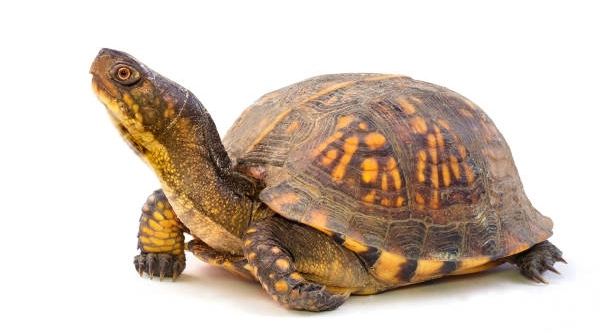
Every box turtle owner wants the best for their pet, but ensuring you have the right tools can make all the difference.
Providing a suitable habitat, proper nutrition, and essential care tools is crucial for your box turtle’s health and happiness. These tools ensure their environment mimics their natural habitat and promotes their well-being.
From habitats to feeding essentials, understanding these tools will help you give your box turtle the care it truly deserves.
Creating the Perfect Habitat
A proper habitat is the foundation of your box turtle’s health. Start with a spacious enclosure that mimics their natural environment. Include substrate materials like coconut coir or topsoil to allow for digging and burrowing. Add hiding spots, plants, and a shallow water dish for soaking and hydration. Maintaining a temperature gradient with a basking area is essential for thermoregulation, while UVB lighting supports their vitamin D production and shell health. Regularly monitor humidity levels, keeping them between 60–80%, to replicate their preferred conditions. Cleaning the enclosure weekly prevents buildup of bacteria and ensures your turtle stays healthy.
A clean, enriched enclosure promotes physical activity, keeps stress levels low, and supports your turtle’s overall well-being.
Spend time observing your box turtle’s behavior to fine-tune the setup and ensure it meets their specific needs. This attention makes their environment truly their own.
Feeding Essentials
Proper feeding tools simplify mealtime while ensuring your box turtle gets the nutrition they need.
Use shallow, sturdy feeding dishes to present fresh vegetables, fruits, and proteins like mealworms. Avoid deep bowls that can cause difficulty accessing food. Providing calcium and vitamin supplements dusted over their meals helps prevent deficiencies. Always keep fresh, clean water available in a separate dish for hydration.
Box turtles thrive on variety in their diet. Rotate foods to mimic what they’d find in nature. Be mindful of portion sizes and avoid overfeeding to maintain a healthy weight. Investing in quality feeding tools helps you provide meals that are both convenient and beneficial for your pet’s health.
Maintaining Proper Lighting and Heat
Box turtles need consistent lighting and heat to thrive. Use a UVB bulb to replicate sunlight and promote healthy shell growth. Pair this with a basking lamp to maintain temperatures around 85–90°F in the basking area.
Ensure the enclosure has a gradient with cooler zones around 70–75°F. Place the lighting on a timer to provide 12 hours of light daily, mimicking natural day-night cycles. Regularly check bulbs for functionality, as UVB output diminishes over time even if the light appears to work. Adjust the height of lamps to maintain consistent heat without overheating the habitat.
Investing in high-quality lighting and heat sources not only supports your box turtle’s metabolism and growth but also ensures they remain active and comfortable. Poor lighting can lead to health issues like metabolic bone disease, making this an essential component of their care.
Essential Cleaning Supplies
Keeping the enclosure clean is vital for preventing bacteria and maintaining your turtle’s health. You’ll need basic tools like gloves, a small scoop, and a scrub brush. Use a reptile-safe disinfectant to clean surfaces and water dishes without exposing your turtle to harmful chemicals.
Spot-clean daily to remove waste, uneaten food, and soiled substrate. Replace the substrate entirely every few weeks, depending on its condition and type. Clean all hides, decorations, and dishes weekly to avoid contamination. Always rinse thoroughly to eliminate any residue from cleaning products.
Regular cleaning not only keeps the enclosure looking fresh but also ensures your box turtle remains in a healthy and stress-free environment. Allocating time for this task is crucial for their overall well-being.
Hydration and Water Features
A shallow water dish is essential for drinking and soaking. Choose one with low edges to allow easy access and prevent tipping. Replace the water daily to keep it clean and free of debris.
Soaking helps with hydration and shedding. Ensure the water depth is shallow enough for your turtle to stand comfortably. Regularly scrub the dish to prevent bacteria buildup, which could harm your turtle’s health.
Monitoring Health
Observation is key to identifying health issues early. Watch for changes in appetite, shell condition, or activity levels. A clean enclosure and balanced diet help prevent most common problems.
Schedule regular check-ups with a reptile vet. Early detection of health concerns ensures prompt treatment and keeps your box turtle thriving in their environment.
FAQ
What type of substrate is best for a box turtle enclosure?
The best substrates are coconut coir, cypress mulch, or organic topsoil. These materials retain moisture, allowing your turtle to burrow. Avoid using sand or gravel, as they can cause digestive issues if ingested. Ensure the substrate is deep enough for digging, around 3–4 inches.
How often should I feed my box turtle?
Box turtles should be fed 3–4 times per week. Their diet includes a mix of vegetables, fruits, and proteins. Adult box turtles typically need fewer meals, while younger ones require more frequent feedings to support growth. Offer a variety of foods to ensure balanced nutrition.
Can I keep multiple box turtles together?
Box turtles are generally solitary animals. It’s best to house them individually, as they can become territorial and may fight. If you do decide to keep more than one, ensure the enclosure is large enough for them to have their own space and hide spots.
How do I know if my box turtle is sick?
Signs of illness in box turtles include lethargy, a lack of appetite, abnormal behavior, shell deformities, or respiratory issues. If your turtle’s eyes are swollen or discharge is present, it could indicate a respiratory infection. Always seek a vet’s advice if you’re concerned about their health.
What temperature should I keep my box turtle’s habitat?
The basking area should reach around 85–90°F, while the cooler side of the enclosure should stay between 70–75°F. A proper temperature gradient allows your turtle to regulate its body temperature by moving between warmer and cooler zones. Never let the habitat fall below 70°F.
Do box turtles need UVB light?
Yes, UVB light is essential for box turtles to synthesize vitamin D3, which helps them absorb calcium. A UVB light should be placed over the basking area and replaced every 6–12 months, as its effectiveness decreases over time. Ensure the light is on for 10-12 hours a day.
Can I feed my box turtle lettuce?
While lettuce can be offered occasionally, it shouldn’t make up a large part of their diet. Lettuce is low in nutritional value and can cause digestive upset if fed too frequently. Offer darker leafy greens like collard greens, dandelion greens, or mustard greens for a more balanced diet.
How do I clean my box turtle’s enclosure?
Spot clean the enclosure daily by removing waste and uneaten food. Once a week, remove and replace the substrate, and disinfect surfaces with reptile-safe cleaning products. Be sure to clean water dishes and hides frequently to maintain hygiene. Regular cleaning helps prevent bacteria buildup and keeps your turtle healthy.
How much space does a box turtle need?
A single box turtle should have at least a 40-gallon enclosure. The larger, the better, as it provides more space to explore. Turtles enjoy having areas to hide and forage, so providing a spacious and enriched environment is important for their well-being.
Can box turtles swim?
Box turtles can swim, but they are not strong swimmers and should not be placed in deep water. Provide a shallow water dish where your turtle can soak, but always ensure the water is not deep enough for the turtle to accidentally drown. A ramp or shallow incline helps them climb in and out easily.
Is it necessary to give my box turtle a soaking bath?
Soaking your box turtle in shallow, warm water is beneficial for hydration and helps with shedding. It’s recommended to soak them once or twice a week, especially if they are not drinking enough water on their own. Always supervise them during the soak to ensure they don’t get stuck or stressed.
Final Thoughts
Caring for a box turtle requires attention to detail and consistent effort. By providing the right habitat, diet, and tools, you can ensure your turtle lives a healthy, happy life. Setting up an appropriate enclosure with proper lighting, temperature, and humidity is crucial to mimic their natural environment. With a bit of planning and observation, your box turtle will thrive in their home. It’s important to consider their needs for space, as well as a safe place to hide and bask. This careful approach helps reduce stress and supports their overall well-being.
Feeding your box turtle a balanced diet is just as important. Offering a variety of fresh vegetables, fruits, and protein ensures they get the necessary nutrients. It’s essential to be mindful of their calcium needs, so providing supplements when needed can prevent health problems down the road. Keep their water clean and always available for drinking and soaking. Monitoring their weight and activity levels also gives you insight into how well they are adjusting to their environment and diet.
Lastly, maintaining a clean and safe environment is key to preventing health issues. Regular cleaning of their habitat and monitoring for any signs of illness will help you address problems early. Routine vet visits ensure that your turtle stays in top shape. Remember, box turtles are long-lived creatures, and by giving them the proper care, you can enjoy their company for many years to come.

Hello,
If you enjoy the content that we create, please consider saying a "Thank You!" by leaving a tip.
Every little bit helps us continue crafting quality advice that supports the health, happiness, and well-being of pets around the world, for pets of all shapes, sizes, and species.
We really appreciate the kindness and support that you show us!