
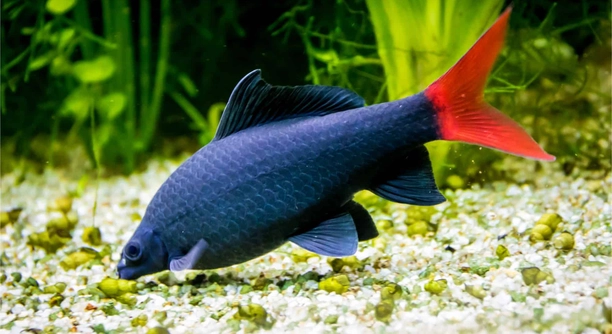
Keeping a rainbow shark tank healthy requires attention and care. Many fish owners want their tanks to stay clean and their fish to thrive. Proper maintenance helps create a balanced environment for these colorful fish.
Maintaining a healthy rainbow shark tank involves regular water changes, monitoring water quality, providing a suitable diet, ensuring enough tank space, and controlling tank mates. These steps prevent stress and disease, promoting the well-being of the fish.
These tips will help you keep your rainbow sharks happy and vibrant over time. Small changes in care routines can make a big difference in your tank’s health.
Choosing the Right Tank Size
Rainbow sharks need enough space to swim freely. A tank that is too small can cause stress and limit their growth. Generally, a minimum of 30 gallons is recommended for one rainbow shark. If you plan to keep more than one, a larger tank is necessary to avoid overcrowding. Overcrowded tanks lead to territorial fights, which can injure the fish. It’s also important to provide hiding spots like plants or decorations. These areas help reduce stress by giving the fish places to retreat. Maintaining proper tank size supports healthy behavior and reduces aggression. Regular observation of your fish can help you spot any early signs of stress or discomfort caused by limited space.
Smaller tanks are often not suitable, even if filtered well. Bigger tanks provide a more stable environment for water quality and temperature.
Choosing the right tank size is essential for your rainbow shark’s health. A spacious tank ensures they can swim naturally and reduces aggressive behavior. It also makes it easier to maintain good water conditions. Adding plants and decorations offers shelter and comfort. Remember, a comfortable space helps fish thrive, making your aquarium a better place for them.
Maintaining Water Quality
Water quality is the key to keeping rainbow sharks healthy. Frequent water changes, about 25% weekly, help remove toxins and keep nitrate levels low. Using a reliable water testing kit will let you monitor pH, ammonia, nitrites, and nitrates. Rainbow sharks prefer a pH between 6.5 and 7.5 and stable temperature around 74-80°F. A good filter is necessary to maintain clear water and reduce waste buildup. Avoid overfeeding, as leftover food can pollute the water and harm the fish. Regular cleaning of the substrate and removing debris also help keep the tank clean. Keeping water parameters stable prevents stress and illness in your fish.
Proper filtration and regular checks keep the environment safe. Unstable water conditions can quickly lead to disease.
Consistently maintaining water quality requires attention but pays off with healthier fish. Regular partial water changes help control harmful substances and refresh the tank environment. Monitoring key water parameters ensures the conditions stay within safe limits. Overfeeding should be avoided, as excess food decomposes and pollutes the water. Cleaning the tank floor regularly removes waste and uneaten food. Using an efficient filter helps keep water clear and oxygenated. These steps protect your rainbow shark from infections and keep them active. Remember, healthy water means happy fish, so it is worth the effort to keep conditions optimal.
Feeding Your Rainbow Shark
Rainbow sharks need a balanced diet for good health. Feed them high-quality pellets designed for omnivores. Include occasional live or frozen foods like bloodworms or brine shrimp to provide variety and nutrients.
Providing a proper diet helps maintain vibrant colors and energy levels. Avoid overfeeding, as it can cause water pollution and health problems. Feed small amounts two to three times daily, enough that they can eat within a few minutes. This prevents leftover food from decomposing in the tank.
Adding fresh vegetables like blanched zucchini or spinach can improve their diet. These foods supply fiber and essential vitamins. Monitor how your fish respond to new foods and adjust portions accordingly. Feeding variety keeps your rainbow shark interested and healthy over time.
Selecting Tank Mates
Choosing the right tank mates is critical to prevent aggression. Rainbow sharks can be territorial, so avoid small, slow-moving fish that might get bullied. Good tank mates include larger, peaceful species like gouramis or danios.
Keep the tank spacious and provide hiding spots to reduce territorial disputes. Avoid keeping multiple rainbow sharks in a small tank, as this increases aggression. Observing fish behavior helps identify any signs of stress or conflict early on.
Compatibility depends on species temperament and tank size. Introducing new fish gradually allows everyone to adjust. A peaceful community tank with proper space keeps stress low and fish healthy. Balancing fish personalities creates a stable, enjoyable aquarium environment.
Monitoring Fish Behavior
Watching your rainbow shark’s behavior helps catch health issues early. Signs like lethargy, loss of appetite, or unusual swimming patterns need attention. Early detection can prevent serious problems.
Regular observation also helps identify aggression or stress caused by tank mates or environment. Acting quickly supports a healthier tank overall.
Cleaning the Tank Regularly
Regular cleaning removes waste and prevents harmful bacteria buildup. Perform partial water changes weekly and clean the substrate using a gravel vacuum. Avoid harsh chemicals that can harm fish.
Maintaining clean decorations and filter components keeps the environment safe. A clean tank supports fish health and vibrant colors.
Providing Proper Lighting
Rainbow sharks do well with moderate lighting. Too much light can cause stress, while too little may affect their natural behavior. Use a timer to maintain a consistent day-night cycle.
Balanced lighting helps fish stay active and supports plant growth in the tank.
Stress Reduction Techniques
Stress weakens fish immune systems and can lead to illness. Keep the tank environment stable with proper water parameters and minimal sudden changes.
Adding hiding spots and reducing loud noises around the tank also helps lower stress levels for rainbow sharks.
FAQ
How often should I change the water in my rainbow shark tank?
Water changes should happen regularly, about 25% of the tank volume once a week. This helps keep toxins like nitrates low and maintains a healthy environment. More frequent changes may be needed if the tank is heavily stocked or if water tests show poor quality.
What do rainbow sharks eat?
Rainbow sharks are omnivores. Feed them high-quality pellets as the main diet. Supplement with live or frozen foods like bloodworms, brine shrimp, or daphnia. Occasionally offer blanched vegetables like zucchini or spinach for fiber and vitamins.
Can rainbow sharks live with other fish?
Yes, but tank mates must be chosen carefully. Rainbow sharks are territorial and may bully smaller or slow-moving fish. Suitable tank mates include larger, peaceful species like danios, gouramis, or barbs. Avoid overcrowding and provide hiding places.
How big should my tank be for a rainbow shark?
A minimum of 30 gallons is recommended for one rainbow shark. Larger tanks are needed if you want more than one. Proper space reduces aggression and gives the fish room to swim freely, which promotes their health.
Why is my rainbow shark hiding all the time?
Hiding can be normal behavior, especially during the day or when stressed. It may indicate poor water quality, aggressive tank mates, or insufficient hiding spots. Check water parameters and tank setup to ensure comfort and safety.
What water temperature do rainbow sharks prefer?
They thrive in temperatures between 74°F and 80°F (23°C to 27°C). Consistent temperature helps avoid stress and illness. Use an aquarium heater with a thermostat to maintain stable conditions.
How do I know if my rainbow shark is sick?
Signs include loss of appetite, faded colors, clamped fins, erratic swimming, or visible spots and wounds. If you notice these, test water quality immediately and consider consulting an aquatic specialist for diagnosis and treatment.
Can I keep more than one rainbow shark in the same tank?
It’s possible but only in very large tanks with plenty of space and hiding places. Rainbow sharks are territorial and may fight if confined. Smaller tanks with multiple rainbow sharks usually lead to stress and injury.
How important is filtration for a rainbow shark tank?
Filtration is essential. Rainbow sharks produce a moderate amount of waste, and good filtration helps remove toxins and keeps water clear. Choose a filter rated for your tank size and clean it regularly to maintain efficiency.
Do rainbow sharks need live plants in their tank?
Live plants are beneficial but not required. They provide hiding spots and improve water quality by absorbing nitrates. Choose hardy plants that can tolerate the tank conditions and possible nibbling by the fish.
What is the best way to feed rainbow sharks?
Feed small amounts two to three times daily. Offer food that can be eaten within a few minutes to prevent leftovers from polluting the tank. Mixing pellets with occasional live or frozen treats keeps their diet balanced and interesting.
Why is my rainbow shark chasing other fish?
Chasing is usually territorial behavior. Rainbow sharks defend their space, especially in tanks that are too small or lack hiding spots. Providing enough room and decorations can reduce aggression and help all fish coexist peacefully.
Final Thoughts
Taking care of a rainbow shark tank requires consistent effort and attention to detail. These fish are active and beautiful but need specific conditions to stay healthy. Providing a spacious tank with clean water, a balanced diet, and suitable tank mates is essential. When these basic needs are met, rainbow sharks can live long, healthy lives and add vibrant color to your aquarium. It is important to watch your fish regularly for any changes in behavior or appearance, as these can be early signs of problems.
Maintaining water quality is one of the most important parts of caring for rainbow sharks. Regular water changes and proper filtration keep the environment safe for your fish. It may seem like a lot to manage at first, but once a routine is established, it becomes easier to maintain. Small, consistent actions like feeding the right food in proper amounts and cleaning the tank help prevent many common issues. It’s also helpful to research and understand the specific needs of rainbow sharks before setting up the tank. This knowledge allows you to create a balanced and comfortable home for your fish.
Finally, remember that patience is key when keeping any fish. Rainbow sharks can sometimes show territorial behavior, but with proper tank size and hiding spots, these issues can be minimized. Providing a peaceful environment with compatible tank mates will reduce stress for all the fish in your aquarium. Taking time to learn about their care will improve your experience and help your rainbow sharks thrive. When done right, maintaining a rainbow shark tank can be rewarding and enjoyable.

Hello,
If you enjoy the content that we create, please consider saying a "Thank You!" by leaving a tip.
Every little bit helps us continue crafting quality advice that supports the health, happiness, and well-being of pets around the world, for pets of all shapes, sizes, and species.
We really appreciate the kindness and support that you show us!