
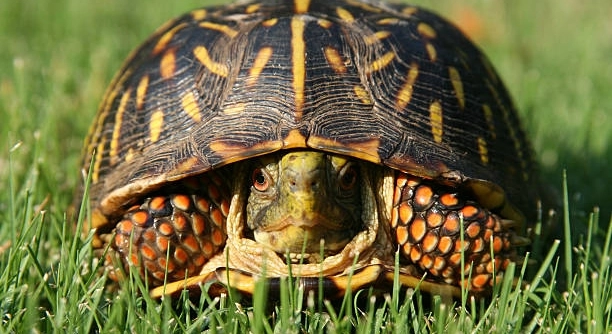
Box turtles are fascinating pets, but their care can sometimes feel overwhelming, especially for first-time owners. Proper guidance ensures these unique creatures thrive in a safe and comfortable environment, giving you peace of mind and a happy turtle.
Providing proper care for a box turtle involves understanding their dietary needs, creating a suitable habitat, and maintaining their health. These factors play a crucial role in ensuring the well-being and longevity of your pet turtle.
Learning these essential tips will help you establish the ideal care routine and create the perfect environment for your box turtle.
Understanding the Ideal Habitat for Box Turtles
Creating a suitable habitat for your box turtle is key to their health and happiness. They need a spacious enclosure with proper substrate, lighting, and humidity levels. Use organic soil or coconut coir as substrate, and ensure a UVB light source mimics natural sunlight. A shallow water dish for soaking and hydration is essential. You should also include hiding spots like logs or plants to provide security and reduce stress. Outdoor enclosures can work well in mild climates but must be predator-proof and temperature-controlled. Regularly clean the habitat to prevent health issues.
Box turtles thrive when their habitat closely resembles their natural environment. Without proper conditions, they may become stressed or ill, so attention to detail is crucial.
Providing enrichment like climbing areas, varied textures, and small spaces for exploration enhances their quality of life while supporting their mental stimulation.
Meeting Their Dietary Needs
Box turtles need a varied diet to stay healthy. Offer a mix of fresh vegetables, fruits, and protein sources like worms or insects.
A balanced diet includes leafy greens, squash, and occasional fruits like strawberries or blueberries. Always dust their food with calcium powder to support shell health. Avoid processed foods or items high in salt.
Turtles benefit from feeding schedules and portion control. Offer meals three to four times a week, adjusting quantities based on their activity level and size. Ensure a shallow water dish is nearby for drinking and soaking. This variety and structure help maintain their energy and overall well-being.
Maintaining Proper Hydration
Box turtles need constant access to fresh, clean water for drinking and soaking. Place a shallow water dish in their enclosure and clean it daily to prevent contamination.
Soaking is vital for hydration and aids in digestion and shedding. Replace the water frequently, especially if the turtle soils it. Monitor their behavior to ensure they are soaking regularly and not avoiding water. Dehydration can lead to health issues, so maintain a consistent routine.
High humidity is also crucial for box turtles, as it mimics their natural environment. Use a hygrometer to check levels and mist the enclosure if necessary. Keep the humidity between 60-80% to avoid respiratory problems or skin issues. Balancing hydration and enclosure conditions ensures your box turtle remains healthy and comfortable.
Understanding Box Turtle Behavior
Box turtles are naturally shy and may retreat into their shells when they feel threatened. Respect their need for space and avoid unnecessary handling.
Regular observation will help you identify patterns and understand their needs better. Look for signs of stress, like hiding excessively or decreased activity, and adjust their environment accordingly. Providing enrichment, such as objects to explore, encourages natural behaviors and reduces boredom.
Understanding these behaviors ensures your box turtle feels secure and can lead a fulfilling life. Patience and consistent care help you build trust and create a harmonious living environment for your pet.
Preventing Health Issues
Regular health checks are essential for your box turtle. Look for clear eyes, a smooth shell, and normal activity levels. Any changes in appetite, behavior, or appearance could indicate illness and may require a vet visit.
Keep the enclosure clean and monitor temperature and humidity to avoid respiratory infections. Balanced nutrition and calcium supplementation also prevent common issues like shell deformities.
Handling Your Box Turtle
Handle your box turtle gently and only when necessary. Support their body fully and avoid quick movements to reduce stress.
Overhandling can lead to anxiety or health problems. Limit interactions to essential care, and always wash your hands before and after to avoid transferring bacteria.
Encouraging Natural Behaviors
Provide hiding spots, climbing opportunities, and a variety of textures to stimulate exploration. These enrichments mimic their natural environment and promote mental well-being.
FAQ
How often should I feed my box turtle?
Box turtles generally eat three to four times a week. Hatchlings may need daily feedings, while adults thrive on a less frequent schedule. Offer a mix of vegetables, fruits, and protein sources like worms or insects to maintain a balanced diet.
What’s the best substrate for a box turtle enclosure?
The ideal substrate is organic soil, coconut coir, or a mix of soil and sand. These materials hold moisture well and allow for burrowing, which box turtles enjoy. Avoid gravel or artificial substrates that can harm their feet or be accidentally ingested.
How can I tell if my box turtle is healthy?
A healthy box turtle will have clear eyes, a smooth shell, and normal activity levels. They should eat regularly and show interest in their surroundings. Watch for signs of illness like lethargy, swollen eyes, or abnormal shell discoloration.
Do box turtles need UVB light?
Yes, UVB light is essential for their health. It helps turtles synthesize vitamin D3, which is critical for calcium absorption and shell health. Without UVB exposure, they can develop metabolic bone disease or other health issues.
How can I maintain proper humidity in the enclosure?
Keep humidity levels between 60-80% by misting the enclosure daily and using a hygrometer to monitor conditions. Adding live plants or a moist substrate can also help maintain consistent humidity. Regularly adjust based on the turtle’s behavior and needs.
Can box turtles live outdoors?
Box turtles can thrive in outdoor enclosures in suitable climates. Ensure the space is secure, predator-proof, and provides adequate shade and shelter. Check temperatures frequently, and bring your turtle indoors during extreme weather conditions to keep them safe.
What are common health issues in box turtles?
Respiratory infections, shell deformities, and parasites are common problems. These often result from poor husbandry, such as incorrect humidity, improper diet, or unsanitary conditions. Regular veterinary checkups and maintaining proper care routines can prevent these issues.
How do I clean my box turtle’s habitat?
Spot clean daily to remove waste and leftover food. Every few weeks, replace the substrate and clean all items with reptile-safe disinfectant. Avoid harsh chemicals that can harm your turtle. Keeping the habitat clean helps prevent illnesses.
Can I keep multiple box turtles together?
While box turtles are generally solitary, they can sometimes coexist peacefully if the enclosure is spacious and resources are plentiful. Monitor them closely for signs of aggression or stress, and separate them if necessary to avoid injuries.
What should I do if my box turtle won’t eat?
Loss of appetite can signal stress, illness, or improper habitat conditions. Check the temperature, humidity, and lighting in the enclosure, and ensure their diet is varied. If the issue persists, consult a veterinarian for a thorough examination.
These FAQs cover essential aspects of box turtle care, helping ensure your pet lives a healthy, happy life. Always stay attentive to their needs and seek expert advice when necessary.
Final Thoughts
Caring for a box turtle requires commitment, consistency, and attention to detail. These gentle reptiles depend on their caregivers to provide the right environment, nutrition, and enrichment for a fulfilling life. Ensuring proper hydration, temperature, and UVB exposure are essential for maintaining their overall health. Regular observation and understanding their natural behaviors help you recognize any potential issues early, allowing for timely intervention. A well-maintained habitat and a balanced diet not only prevent common health problems but also encourage natural and active behaviors.
Building a strong bond with your box turtle takes time and patience. While they may not be as interactive as other pets, their unique personalities and subtle interactions make the experience rewarding. Respecting their need for space and observing their habits can deepen your understanding of their preferences and quirks. By paying attention to their well-being and providing a safe, stimulating environment, you create a peaceful and secure space for them to thrive.
Box turtles are remarkable creatures, and their care reflects the effort and dedication of their owners. Whether you’re a first-time keeper or an experienced reptile caretaker, small adjustments to their daily routine can make a significant impact on their happiness and health. By staying informed and attentive, you ensure your turtle enjoys a long, healthy life under your care.

Hello,
If you enjoy the content that we create, please consider saying a "Thank You!" by leaving a tip.
Every little bit helps us continue crafting quality advice that supports the health, happiness, and well-being of pets around the world, for pets of all shapes, sizes, and species.
We really appreciate the kindness and support that you show us!