
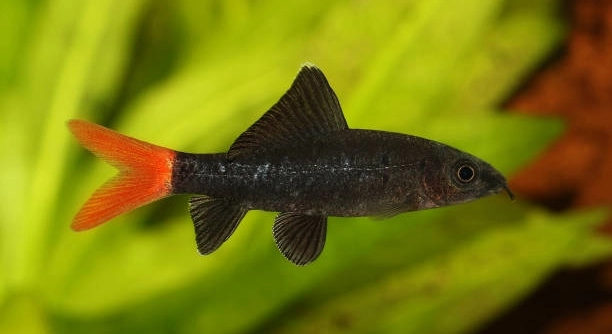
Rainbow Sharks are popular aquarium fish known for their vibrant colors and active nature. Keeping them healthy requires attention to their tank environment. Proper conditions ensure they thrive and display their best behavior and appearance.
Maintaining specific tank parameters is essential for a healthy Rainbow Shark. These include water temperature, pH levels, ammonia and nitrate concentrations, oxygenation, tank size, and regular water changes. Each factor plays a critical role in supporting their well-being and preventing stress or disease.
Knowing these key parameters helps create a stable habitat. This foundation supports the fish’s health and longevity in any home aquarium setting.
Water Temperature and Its Impact on Rainbow Sharks
Rainbow Sharks thrive best in water temperatures between 72°F and 79°F (22°C to 26°C). Keeping the tank within this range supports their metabolism and immune system, helping them stay active and healthy. Temperatures outside this range can stress the fish, making them vulnerable to illness. It is important to use a reliable aquarium heater and thermometer to monitor and maintain consistent temperature levels. Sudden changes should be avoided, as they can shock the fish. Regular temperature checks are a simple way to ensure a stable environment. When the water is too cold, Rainbow Sharks may become lethargic and lose appetite. Conversely, warmer water speeds up their metabolism, which may lead to increased waste and water quality issues. Maintaining proper temperature not only supports physical health but also influences the fish’s behavior and coloration, keeping their vibrant appearance bright.
Temperature consistency helps Rainbow Sharks avoid stress and disease.
Keeping the tank’s temperature steady within the ideal range promotes healthy growth and lively activity. Using a quality heater with a thermostat can prevent fluctuations. Positioning the thermometer away from direct heat sources ensures accurate readings. Monitoring daily allows for quick adjustments when needed. In addition, a stable temperature reduces the risk of common ailments, such as fungal infections and parasites. A consistent aquatic climate encourages natural feeding habits and reduces aggression. Temperature also affects oxygen levels; warmer water holds less oxygen, so aeration may be necessary in hotter climates. Overall, attention to temperature creates a comfortable environment that supports the fish’s physical and behavioral needs, making it a critical factor in their care routine.
pH Level: Balancing Acidity for Optimal Health
Maintaining the pH level between 6.5 and 7.5 is crucial for Rainbow Sharks. This range mimics their natural habitat and supports proper bodily functions.
Rainbow Sharks are sensitive to pH fluctuations, which can cause stress and illness. Sudden changes in pH can damage their skin and gills. Testing water regularly with a pH kit helps catch shifts early. Adjustments can be made gradually using commercial pH buffers or natural methods like adding driftwood or peat moss. Stability is more important than hitting an exact number. Avoid mixing water from different sources without testing, as this may alter pH unexpectedly. Keeping the pH stable reduces the risk of harmful bacteria growth and keeps the fish’s environment healthy. A balanced pH contributes to better digestion and overall vitality. Regular water changes also help maintain proper pH and remove waste buildup that can affect acidity. Understanding pH management is essential for anyone committed to Rainbow Shark care.
Ammonia and Nitrate Levels
Ammonia and nitrate must be kept very low in the tank to protect Rainbow Sharks. High levels are toxic and cause stress or death.
Ammonia is produced by fish waste and decomposing food. Even small amounts can harm gills and skin. Using a good filter and doing regular water changes keeps ammonia near zero. Testing water weekly helps track levels. Nitrates build up more slowly but should stay under 20 ppm. Over time, nitrates can weaken the immune system and reduce oxygen availability. Keeping the tank clean and avoiding overfeeding reduces waste buildup. Plants in the aquarium also help absorb nitrates naturally.
Regular water changes of 25-30% every week are essential to keep these toxins under control. A well-maintained nitrogen cycle promotes a safe environment. Avoid overcrowding the tank to limit waste production. Using biological filtration supports beneficial bacteria that break down ammonia into less harmful substances. Maintaining these water quality parameters prevents disease and keeps your Rainbow Shark thriving.
Oxygenation and Tank Size
Adequate oxygen levels are vital for Rainbow Sharks to breathe and stay active. Poor oxygen can cause lethargy and stress.
A minimum tank size of 30 gallons is recommended because Rainbow Sharks are active swimmers. Larger tanks provide more oxygen and space for natural behavior. Good water circulation and surface agitation increase oxygen exchange. Using air stones or powerheads can improve oxygen levels. Tanks that are too small or crowded limit oxygen availability and cause poor water quality. Plants can also add oxygen during the day through photosynthesis. Ensuring proper oxygenation supports digestion, immunity, and overall health. Without it, fish become weak and prone to illness. Tank size and aeration go hand in hand to create a balanced habitat.
Regular Water Changes
Regular water changes are crucial to maintaining a healthy tank environment. They remove waste, excess nutrients, and toxins that build up over time, keeping water clean and safe for Rainbow Sharks.
Changing 25-30% of the water weekly helps maintain stable water quality. It supports the fish’s health by reducing stress and preventing disease.
Filtration System
A reliable filtration system is necessary to keep the tank clean and water parameters balanced. Filters remove debris, harmful chemicals, and waste while supporting beneficial bacteria. Biological filtration breaks down ammonia into less harmful substances. Mechanical filtration traps particles, and chemical filtration removes toxins. Combining these types ensures optimal water quality. Regular filter maintenance, including cleaning and media replacement, keeps the system effective. An efficient filter reduces the workload of water changes and creates a stable environment where Rainbow Sharks can thrive without exposure to harmful substances or poor water conditions.
Tank Size Recommendations
A minimum tank size of 30 gallons is recommended for a single Rainbow Shark to provide enough space for swimming and territorial behavior.
Lighting
Proper lighting supports fish health and plant growth, creating a natural day-night cycle.
FAQ
What temperature is best for Rainbow Sharks?
Rainbow Sharks do best in water between 72°F and 79°F (22°C to 26°C). Keeping the temperature steady within this range supports their metabolism and immune system. Sudden changes or extremes can stress the fish and lead to illness, so using a heater and thermometer is important.
How often should I change the water?
Changing about 25-30% of the tank water weekly helps keep ammonia and nitrate levels low. Regular water changes remove waste and toxins, preventing buildup that can harm your Rainbow Shark. This also helps maintain stable pH and overall water quality.
What pH level is ideal for Rainbow Sharks?
Rainbow Sharks prefer slightly acidic to neutral water, with a pH between 6.5 and 7.5. It’s important to test regularly and avoid sudden pH shifts, as this can cause stress. Gradual adjustments using buffers or natural materials are safer than quick fixes.
How big should the tank be?
A tank of at least 30 gallons is recommended for one Rainbow Shark. They are active swimmers and need enough space to establish territory. Larger tanks improve water quality and oxygen levels, which support their health.
Do Rainbow Sharks need a special diet?
Rainbow Sharks are omnivores. They require a varied diet that includes high-quality flakes, pellets, and occasional live or frozen foods like bloodworms or brine shrimp. Supplementing with vegetables such as zucchini or spinach helps provide balanced nutrition.
Can Rainbow Sharks live with other fish?
Rainbow Sharks can be territorial, especially in smaller tanks. They usually do well with peaceful fish that occupy different levels of the tank. Avoid housing multiple Rainbow Sharks together unless the tank is very large and has plenty of hiding spots.
How do I control ammonia and nitrate levels?
Using a good filtration system and performing regular water changes keeps ammonia near zero and nitrates under 20 ppm. Avoid overfeeding, clean the tank regularly, and do not overcrowd the tank to reduce waste production. Beneficial bacteria in the filter also help break down harmful substances.
What signs indicate my Rainbow Shark is stressed?
Signs of stress include clamped fins, hiding excessively, loss of appetite, faded colors, and erratic swimming. Stress can be caused by poor water quality, incorrect temperature, or aggressive tankmates. Addressing these issues quickly helps prevent illness.
Is aeration necessary in a Rainbow Shark tank?
Yes. Good oxygen levels are important. Use air stones, powerheads, or surface agitation to increase oxygen exchange. This supports healthy respiration and keeps the fish active. Oxygen levels can drop in crowded or warm tanks without proper aeration.
How often should I clean the filter?
Filter media should be rinsed in tank water every 3-4 weeks to remove debris but preserve beneficial bacteria. Replace chemical media like activated carbon as needed. Avoid cleaning all parts at once to maintain the biological balance in the tank.
Can plants help maintain tank conditions?
Live plants improve water quality by absorbing nitrates and producing oxygen. They also provide hiding spots and reduce stress for Rainbow Sharks. Choose hardy plants like Java fern or Anubias that tolerate similar water conditions.
What is the best way to introduce a Rainbow Shark to a new tank?
Acclimate the fish slowly by floating the sealed bag in the tank for 15-20 minutes. Then gradually mix tank water into the bag over another 20-30 minutes before release. This helps prevent shock from sudden changes in temperature or water chemistry.
How do I prevent Rainbow Sharks from becoming aggressive?
Provide plenty of space, hiding places, and tank decorations to break sight lines. Avoid overcrowding and aggressive tankmates. Maintaining good water quality and proper feeding reduces stress, which can lower aggression.
What should I do if my Rainbow Shark gets sick?
First, test water parameters and correct any issues. Quarantine the sick fish if possible. Common treatments include medications for parasites, fungal infections, or bacterial diseases. Always follow instructions carefully and keep the tank clean during treatment.
Can Rainbow Sharks tolerate different water hardness levels?
They prefer soft to moderately hard water, typically between 5-15 dGH. Sudden changes in hardness should be avoided to prevent stress. Test water hardness regularly and adjust gradually if necessary.
Are there any special tank decorations recommended?
Use smooth rocks, driftwood, and plants to create hiding spots. Avoid sharp objects that can injure the fish. Decorations also help reduce aggression by providing territories and visual barriers.
This FAQ covers many important care points for maintaining healthy Rainbow Sharks. Proper tank management, diet, and monitoring keep these fish lively and colorful.
Final Thoughts
Caring for Rainbow Sharks requires attention to several key tank parameters to ensure their health and well-being. Maintaining stable water temperature, balanced pH levels, and low concentrations of ammonia and nitrates creates a safe and comfortable environment. Consistency is important, as sudden changes in water conditions can cause stress and illness. Using reliable equipment like heaters, filters, and test kits helps keep these factors under control. Regular water changes and proper tank maintenance are essential parts of the routine that support good water quality and the fish’s long-term health.
A suitable tank size and proper oxygenation also play significant roles in the care of Rainbow Sharks. These fish are active and need enough space to swim and explore, which larger tanks provide. Adequate aeration prevents oxygen shortages and promotes natural behaviors. Adding live plants and decorations not only improves water quality but also gives the fish places to hide and feel secure. Managing their environment thoughtfully reduces aggression and supports a peaceful aquarium community.
Feeding a varied and balanced diet completes the care needed for Rainbow Sharks to thrive. Omnivorous by nature, they benefit from a mix of high-quality flakes or pellets along with occasional live or frozen foods. Supplementing their diet with vegetables helps meet nutritional needs. Observing the fish regularly and responding promptly to signs of stress or illness ensures timely action. Following these guidelines allows Rainbow Sharks to live healthy, active lives while brightening any aquarium with their striking colors and lively behavior.

Hello,
If you enjoy the content that we create, please consider saying a "Thank You!" by leaving a tip.
Every little bit helps us continue crafting quality advice that supports the health, happiness, and well-being of pets around the world, for pets of all shapes, sizes, and species.
We really appreciate the kindness and support that you show us!