
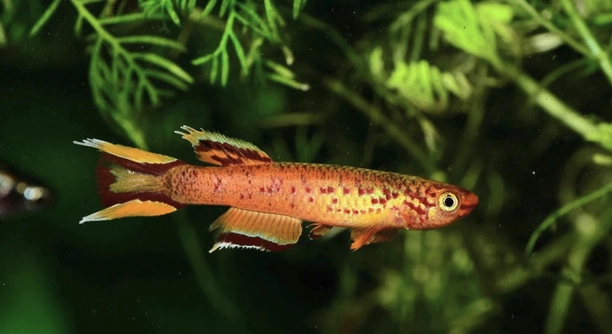
Keeping killi fish as pets requires careful attention to their environment and needs. These small, colorful fish have unique habits that need the right supplies for a healthy life. Preparing well helps killi fish thrive in home aquariums.
Essential supplies for killi fish owners include a proper tank with secure lid, quality water filtration, appropriate substrate, stable heater, reliable water testing kit, nutritious fish food, and adequate lighting. These items create a balanced habitat for killi fish survival and growth.
Knowing what to gather before setting up a killi fish tank will save time and reduce stress. The right equipment supports their delicate nature and vibrant colors.
Proper Tank with Secure Lid
Choosing the right tank is the first step for killi fish owners. These fish prefer smaller tanks, often between 5 to 10 gallons, as they feel safer in compact spaces. A secure lid is essential because killi fish are known jumpers. Without a lid, they might escape or get injured. The tank should have enough surface area for swimming but not be too deep, as killi fish often stay near the surface. Setting up a tank with stable water conditions is easier in smaller tanks, which helps maintain temperature and cleanliness. Make sure to place the tank away from direct sunlight to avoid rapid temperature changes and algae growth. A tank with a secure lid and the right size creates a safe and comfortable environment for your killi fish, helping them stay healthy and active.
A tank between 5 to 10 gallons with a tightly fitting lid prevents jumping and maintains stable water conditions for killi fish safety.
A well-sized tank also allows for easier maintenance and setup. Adding plants and hiding spots gives killi fish places to rest and hide, reducing stress and mimicking their natural habitat.
Quality Water Filtration
Clean water is vital for killi fish health. Using a quality water filter keeps the tank free of harmful chemicals and waste. Killi fish are sensitive to water quality changes, so a gentle filter that does not create strong currents works best. Filters that use sponge or gentle internal systems avoid stressing these small fish. Regular filter cleaning and water changes keep ammonia, nitrite, and nitrate levels low, which protects your fish from illness. A good filtration system maintains a balanced environment, making sure your killi fish live comfortably and without unnecessary risk from poor water conditions.
Choosing a filter designed for small tanks ensures gentle water flow, suitable for killi fish needs.
To maintain healthy water, pair the filter with weekly water changes of about 25%. This combination removes toxins and keeps the tank environment stable. Use a water conditioner to remove chlorine and chloramine from tap water. Testing the water regularly helps you catch any harmful shifts early. Investing time in water quality control prevents common diseases and keeps your killi fish vibrant and lively.
Appropriate Substrate and Decorations
Selecting the right substrate enhances your tank’s look and helps maintain water quality. Fine gravel or sand works well for killi fish tanks because it allows plants to root and does not trap dirt easily. Substrates with smooth edges prevent injury to delicate fish. Adding live or artificial plants provides hiding spots and mimics their natural environment. Floating plants are also appreciated by killi fish because they prefer shaded areas near the surface. Decorations should be simple and safe, avoiding sharp or rough objects that could harm your fish. A natural setup encourages natural behaviors and reduces stress.
Substrate choice impacts cleanliness and fish comfort; fine gravel or sand is recommended.
Plants and decorations give fish places to explore and feel secure. Keeping the tank uncluttered makes maintenance easier and keeps the water clear. This setup helps your killi fish feel at home and displays their colors beautifully.
Stable Heater and Temperature Control
Maintaining a stable temperature is key to killi fish well-being. Most killi fish thrive between 72°F and 78°F. Using a reliable heater with a thermostat ensures the water stays in this range without sudden fluctuations. Sudden temperature changes can cause stress and illness. A small heater designed for your tank size is best to avoid overheating. Keep a thermometer in the tank to monitor the temperature daily. Proper temperature control helps killi fish remain active and healthy.
A heater with a built-in thermostat prevents dangerous temperature swings, essential for killi fish care.
Place the heater near the water flow to distribute heat evenly. Avoid placing the tank where room temperature changes often. Consistent warmth supports their metabolism and breeding behavior, making your killi fish thrive.
Reliable Water Testing Kit
Testing water parameters is critical to killi fish health. A reliable water testing kit helps monitor ammonia, nitrite, nitrate, and pH levels. These factors affect fish survival and comfort. Regular testing shows if water changes or treatment are needed. Killi fish prefer slightly acidic to neutral pH, around 6.0 to 7.5. Sudden pH changes can stress them. Ammonia and nitrite must always be at zero, as they are toxic. Nitrate should be kept low with regular water changes. Using a test kit keeps you informed and able to act quickly if problems arise.
A water testing kit is necessary for monitoring key water parameters regularly.
Accurate testing prevents illness caused by poor water quality. Keeping track of your tank’s chemistry helps maintain a healthy environment, ensuring your killi fish live long, happy lives. Test weekly or more often if issues arise.
Nutritious Fish Food
Killi fish need a varied diet to stay healthy and colorful. Providing high-quality food supports their growth and energy.
Live or frozen foods like brine shrimp, daphnia, and bloodworms are excellent for killi fish. These foods mimic what they eat in the wild and provide essential nutrients. Supplementing with high-quality flakes or pellets ensures they get a balanced diet. Avoid overfeeding to prevent water pollution, which can harm your fish. Feed small amounts once or twice daily and observe how much your fish eat.
Proper nutrition improves your killi fish’s immune system and coloration. Including live food encourages natural hunting behaviors, keeping them active and engaged. Make sure to remove uneaten food to maintain water quality and prevent tank contamination.
Adequate Lighting
Lighting affects fish behavior and plant growth. Killi fish prefer moderate lighting that is not too bright or harsh.
Use a timer to keep a consistent day-night cycle, ideally 8 to 10 hours of light daily. Too much light can stress fish and encourage algae growth. Using adjustable LED lights is a good option for controlling brightness and spectrum. Lighting also helps live plants photosynthesize, contributing to a healthy tank environment.
Balanced lighting supports natural rhythms and enhances the colors of your killi fish. It also helps plants thrive, improving oxygen levels and shelter in the tank. Consistency in lighting schedules reduces fish stress and promotes better health.
Regular Water Changes
Water changes are essential to keep the tank clean and safe for killi fish. Changing about 25% of the water weekly helps remove toxins and maintain stable conditions.
Using dechlorinated water during changes prevents harmful chemicals from affecting the fish. Consistent water changes reduce stress and support fish health.
Monitoring Fish Behavior
Observing your killi fish daily helps catch health issues early. Changes in swimming, appetite, or color can signal problems.
Early detection allows prompt action, such as adjusting water parameters or treating illness. Healthy behavior is a good sign your setup is working well.
Tank Maintenance
Keeping the tank clean improves water quality and fish well-being. Regularly remove uneaten food, clean the substrate, and check equipment for proper function.
Consistent maintenance prevents disease and keeps the environment stable. A clean tank supports long-term fish health.
Patience and Observation
Caring for killi fish takes patience and attention. Watching how your fish respond to their environment helps you adjust care as needed.
FAQ
What size tank is best for killi fish?
A tank between 5 to 10 gallons is ideal for killi fish. This size provides enough space for swimming and helps maintain stable water conditions. Smaller tanks can lead to rapid changes in temperature and water quality, which stress the fish. Larger tanks are fine but not necessary unless keeping multiple fish or other species.
How often should I change the water?
Changing about 25% of the water every week is recommended. This removes toxins and keeps the water clean. Always use a water conditioner to remove chlorine and chloramine from tap water before adding it to the tank. Avoid changing too much water at once, as it can shock the fish.
What should I feed my killi fish?
Killi fish thrive on a varied diet. Live or frozen foods like brine shrimp, bloodworms, and daphnia are excellent choices. You can also supplement with high-quality flakes or pellets designed for small carnivorous fish. Feed small amounts once or twice daily, only what they can eat in a few minutes to avoid leftover food polluting the tank.
Do killi fish need a heater?
Yes, most killi fish do need a heater to keep the water temperature stable between 72°F and 78°F. Sudden temperature changes can stress them and cause illness. Use a reliable heater with a thermostat and monitor the temperature regularly with a thermometer.
Can killi fish live with other fish?
Killi fish can be kept with other peaceful species of similar size, but it’s best to avoid aggressive or much larger fish. Some killi species can be territorial, especially males. Keeping only one male per tank or having plenty of hiding spaces helps reduce aggression.
How do I prevent my killi fish from jumping out?
A secure lid on the tank is essential because killi fish are good jumpers. Make sure the lid fits tightly with no gaps. Floating plants also help reduce their urge to jump by providing cover near the surface.
What water parameters do killi fish prefer?
Killi fish do well in slightly acidic to neutral water with a pH between 6.0 and 7.5. Ammonia and nitrite levels should always be zero, while nitrates should be kept low with regular water changes. Soft to moderately hard water is preferred, depending on the species.
How often should I clean the filter?
Clean your filter every 2 to 4 weeks to maintain proper function, but avoid washing it with tap water. Instead, rinse it gently in old tank water to preserve beneficial bacteria that help break down waste.
What are common signs of illness in killi fish?
Signs include loss of appetite, lethargy, faded colors, clamped fins, or abnormal swimming behavior. White spots or fuzzy patches can indicate infections. Early detection and maintaining good water quality are key to preventing disease.
Can killi fish breed in a home aquarium?
Yes, many species of killi fish breed readily if conditions are right. They usually need soft, slightly acidic water and plenty of hiding spots or spawning mops. Males often display bright colors during breeding. Removing adults from fry tanks can increase survival rates.
How long do killi fish live?
Killi fish typically live 2 to 4 years, depending on the species and care. Providing proper nutrition, clean water, and a stable environment helps maximize their lifespan.
Is it necessary to have live plants in a killi fish tank?
Live plants are not required but highly recommended. They offer hiding spots, improve water quality, and create a natural environment that reduces stress. Floating plants are especially favored by killi fish as they like shaded areas near the surface.
What lighting setup works best for killi fish tanks?
Moderate lighting that is not too bright works best. About 8 to 10 hours of light daily with a timer creates a consistent day-night cycle. Too much light may stress the fish and promote algae growth. Adjustable LED lights are a good choice for control.
How can I tell if my killi fish is stressed?
Signs of stress include hiding constantly, rapid breathing, loss of color, or erratic swimming. Stress is usually caused by poor water quality, wrong temperature, or lack of hiding spaces. Regular maintenance and monitoring help keep stress low.
Can I keep multiple male killi fish together?
It depends on the species, but many males are territorial and aggressive toward each other. If you keep multiple males, provide a large tank with many hiding places or separate them into different tanks to avoid fights.
What is the best substrate for a killi fish tank?
Fine gravel or sand is recommended. These substrates allow plants to root and prevent injury to fish. Avoid sharp or rough substrates that can harm delicate fins or skin.
How do I introduce new killi fish to my tank?
Acclimate new fish slowly by floating their bag in the tank to equalize temperature. Gradually mix tank water into the bag over an hour before releasing them. This reduces stress and helps them adjust to new water parameters.
Are there any special care tips for baby killi fish?
Baby killi fish (fry) need very small live foods like infusoria or newly hatched brine shrimp. Keep them in a separate breeding tank or use a breeder box to protect them from adults. Regular water changes and gentle filtration are important to keep fry healthy.
What should I do if my killi fish appears sick?
First, test the water to ensure parameters are normal. Improve water quality with partial changes. Quarantine sick fish if possible and consider appropriate treatments based on symptoms. Consult a fish health expert or veterinarian if the condition worsens.
How often should I feed my killi fish?
Feed small amounts once or twice a day, only what they consume in a few minutes. Overfeeding can cause water pollution and health problems. Monitor their appetite and adjust feeding accordingly.
Is it okay to keep killi fish alone?
Killi fish are often kept alone or in pairs. Some species are social and do better in small groups, while others prefer solitude. Research your specific species’ behavior to decide on tank mates or solo keeping.
Caring for killi fish can be very rewarding when you have the right supplies and knowledge. These small fish need a stable environment with clean water, proper food, and a safe tank setup. Taking time to prepare and maintain their home helps ensure they stay healthy and show their natural colors. It’s important to remember that killi fish are sensitive to changes in water quality and temperature, so regular care is necessary. With patience and attention, you can enjoy watching these unique fish thrive in your aquarium.
Having essential supplies like a good tank with a secure lid, a reliable filter, and a heater makes a big difference. These tools help create a safe and comfortable habitat for your killi fish. Feeding them a varied diet with live or frozen foods provides the nutrients they need for growth and energy. Lighting and plants also play important roles in their wellbeing by reducing stress and adding to the natural feel of the tank. Consistent water testing and regular changes keep harmful chemicals in check, protecting your fish from illness.
Killi fish owners benefit from watching their fish closely to spot any signs of trouble early. Healthy fish swim actively, eat well, and display bright colors. If problems arise, acting quickly by adjusting water conditions or seeking advice can prevent serious illness. Overall, caring for killi fish requires a balance of proper equipment, regular maintenance, and observation. When done right, it leads to a successful and enjoyable experience with these beautiful fish.

Hello,
If you enjoy the content that we create, please consider saying a "Thank You!" by leaving a tip.
Every little bit helps us continue crafting quality advice that supports the health, happiness, and well-being of pets around the world, for pets of all shapes, sizes, and species.
We really appreciate the kindness and support that you show us!