
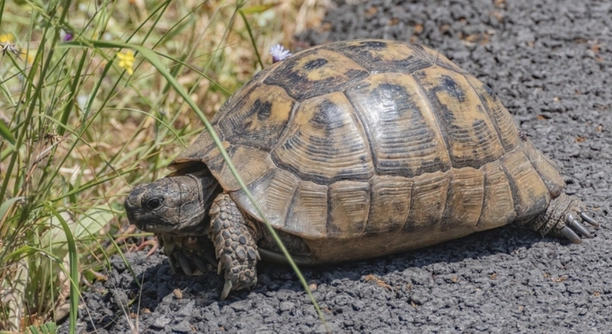
Owning a Greek tortoise is a rewarding experience, but it comes with the responsibility of providing the right care. Having the right supplies ensures a comfortable and healthy environment for your pet. Let’s explore the essentials.
Greek tortoise owners need specific supplies to support their tortoise’s health and comfort. These include a suitable habitat, proper lighting, UVB lighting, a basking area, high-quality food, a water dish, and a humidity monitor.
These essentials will help provide the best care for your tortoise, ensuring it thrives in its environment.
Creating the Right Habitat for Your Greek Tortoise
A proper habitat is key for a healthy Greek tortoise. These tortoises need a spacious enclosure that mimics their natural environment. The habitat should be large enough to allow movement and include areas for basking, hiding, and eating. A suitable enclosure should have proper flooring like soil or sand, ensuring your tortoise can dig as it would in the wild. Adding natural elements like rocks and logs offers stimulation. Make sure the enclosure is escape-proof to keep your tortoise safe.
Setting up the right habitat is essential for your tortoise’s well-being. Without the right space, your tortoise can become stressed, which affects its health.
Be sure to place the enclosure in an area that gets natural sunlight or use a UVB light. This will allow your tortoise to absorb the necessary UVB rays for calcium metabolism and bone health. The temperature inside the habitat should be regulated to ensure there’s a warm basking spot and a cooler area for sleeping. A thermometer and humidity gauge are crucial tools to monitor these conditions.
Essential Lighting and UVB
Proper lighting and UVB exposure are crucial for your tortoise’s health. UVB light helps with vitamin D3 production, which is necessary for calcium absorption.
A quality UVB bulb should be placed at the correct distance from the basking area to provide optimal light exposure. Additionally, the light should be replaced regularly since the UVB rays degrade over time, even if the light still functions.
Proper Heating for Your Greek Tortoise
A basking spot with the right temperature is essential for your tortoise’s health. The area should be heated to 90-95°F, which allows your tortoise to regulate its body temperature.
Maintaining the proper temperature in the enclosure is important to support digestion and overall well-being. Without a proper heat source, your tortoise could become lethargic or even suffer from metabolic bone disease. Heat lamps or ceramic heaters can provide the right temperature. Use a thermometer to monitor the basking area’s temperature and adjust if needed.
In addition to the basking area, the cooler side of the enclosure should be around 75°F. This temperature gradient allows your tortoise to move between warm and cool spots to regulate its body temperature as needed.
Water Dish for Your Greek Tortoise
Your tortoise needs a shallow water dish available at all times. The dish should be large enough for the tortoise to soak, but not too deep to prevent drowning.
Water is crucial for digestion and hydration. Greek tortoises also use water for soaking to help with shedding their skin. Ensure the dish is kept clean, changing the water regularly to avoid bacteria build-up. Even though Greek tortoises are desert-dwelling creatures, they still need access to fresh water to stay hydrated.
Having a water dish that’s the right size will also prevent unnecessary stress. Tortoises often drink while eating, and providing a clean water source makes a significant difference in their health.
Quality Food for Your Greek Tortoise
A balanced diet is key to your tortoise’s health. Fresh greens like dandelion leaves, collard greens, and kale should make up most of their meals.
It’s important to avoid feeding your Greek tortoise too many high-oxalate foods like spinach. Variety in their diet helps provide the necessary nutrients for growth and overall health.
Substrate for Your Greek Tortoise
The right substrate helps mimic your tortoise’s natural environment and keeps them comfortable.
Use a mix of soil and sand for the best results. This substrate allows your tortoise to burrow, which is important for their well-being and mental health.
FAQ
How big should my Greek tortoise enclosure be?
The enclosure should be at least 4 feet long for a single tortoise. Larger is better as it allows them to move freely and explore. A bigger space promotes exercise and reduces stress. If you plan on housing more than one, increase the size accordingly to avoid territorial disputes.
Can I keep my Greek tortoise outside?
Yes, Greek tortoises can be kept outside during warm months if you have a secure outdoor space. The area should be escape-proof with proper shelter from rain and direct sun. The temperature should not drop below 60°F, and you should monitor the humidity levels.
What should I feed my Greek tortoise?
A diet primarily of leafy greens, grasses, and some vegetables is best. You can offer dandelion greens, collard greens, and romaine lettuce. Avoid high-oxalate vegetables like spinach and prevent feeding fruits too often. Stick to a mostly plant-based diet to keep your tortoise healthy.
Do Greek tortoises need calcium?
Yes, Greek tortoises need calcium to support their shell and bone health. You can provide calcium by dusting their food with a calcium supplement or offering cuttlebone, which they can nibble on as needed. UVB lighting also helps with calcium absorption.
Can I keep multiple Greek tortoises together?
It’s possible, but it requires caution. Greek tortoises are territorial, so keeping multiple in the same enclosure could lead to fighting, especially among males. If you choose to house more than one, provide plenty of space, hiding spots, and separate food areas to reduce aggression.
How often should I clean my Greek tortoise’s enclosure?
Cleaning should be done regularly to maintain a healthy environment. Spot clean daily by removing any waste. A thorough cleaning, where you disinfect the entire enclosure, should be done once a week. This helps prevent bacterial growth and keeps the habitat fresh.
What temperature should my tortoise’s basking spot be?
The basking area should be around 90-95°F to allow your tortoise to warm up properly. This is essential for digestion and overall well-being. Ensure the temperature remains consistent, using a reliable thermometer to monitor the spot.
Can I use a heat lamp for my tortoise’s basking area?
Yes, a heat lamp is a great option for creating the proper temperature gradient. Use a lamp that provides both heat and UVB light. However, it’s important to replace the bulb regularly as UVB output decreases over time, even if the light still works.
How much water should my Greek tortoise drink?
Your tortoise should have access to fresh water at all times. Some tortoises may not drink as frequently as others but may soak in the water dish to hydrate. Ensure the dish is shallow enough for them to easily access and avoid drowning.
How can I tell if my Greek tortoise is sick?
Signs of illness in a Greek tortoise include lack of appetite, lethargy, and unusual behavior like hiding or not moving much. If your tortoise’s shell is soft or if it has discharge from its eyes or nose, consult a vet as soon as possible.
Is it necessary to provide a hiding spot for my Greek tortoise?
Yes, providing a hiding spot is important. Tortoises often seek shelter to feel safe and secure. It also helps reduce stress, allowing your tortoise to retreat when it feels the need. Simple hiding spots, like a small box or tunnel, work great.
How long do Greek tortoises live?
Greek tortoises can live for 50 to 100 years, making them a long-term commitment. With proper care, they can live a healthy, happy life. Make sure you provide the right environment, diet, and regular check-ups to keep them thriving.
Do I need to give my Greek tortoise supplements?
Calcium supplements are essential for Greek tortoises, especially if they don’t have access to natural sunlight. You can provide supplements by dusting their food or offering cuttlebone. Multivitamins are also beneficial but should be used sparingly.
What should I do if my Greek tortoise isn’t eating?
If your tortoise isn’t eating, check the temperature and humidity levels in its enclosure. Stress, improper temperatures, or illness can cause a lack of appetite. If conditions seem fine and your tortoise still refuses food, consult a veterinarian for advice.
Can Greek tortoises eat fruit?
Fruits should be offered sparingly. Too much fruit can cause digestive issues and lead to obesity. Stick to small amounts of low-sugar fruits like berries or melon as a treat. Focus primarily on leafy greens and grasses.
How do I prevent my Greek tortoise from getting bored?
To keep your tortoise mentally stimulated, provide enrichment like rocks, logs, or safe plants to climb on. You can also hide food around their enclosure to encourage foraging. Regularly changing the layout of their space can keep them interested.
Can I take my Greek tortoise outside for walks?
Yes, taking your tortoise outside on a leash or in a secure, enclosed area can be a great way for them to get exercise and enjoy the natural sunlight. Always supervise outdoor time to prevent escape or injury.
Final Thoughts
Taking care of a Greek tortoise requires commitment and attention, but it can be a rewarding experience. These tortoises are fascinating creatures that can live for decades with the right care. Ensuring that their environment is suitable for their needs, from temperature control to proper substrate, is essential for their well-being. Regularly monitoring their health, diet, and living space will help you maintain a happy, healthy tortoise. It’s important to understand their needs and adjust the care routine as necessary to fit their growth and lifestyle.
Providing your tortoise with a variety of greens, occasional supplements, and proper lighting will help them thrive. The right habitat is equally crucial—an appropriate enclosure with enough space, a basking area, and hiding spots for comfort will help them feel secure. Regular cleaning and maintenance of their habitat, along with consistent access to fresh water, are other key factors that contribute to their overall health. You should also be aware of potential health issues like shell rot or respiratory infections, which can occur if their environment is not kept clean or properly regulated.
In the end, Greek tortoises can make wonderful pets for those who are willing to invest time and effort into their care. With the right environment, diet, and regular attention, your tortoise can live a long and healthy life. By staying informed and attentive, you can ensure your Greek tortoise’s well-being for years to come. Whether you are just starting out or have had your tortoise for a while, remember that understanding their natural behavior and needs is key to fostering a good relationship with them.

Hello,
If you enjoy the content that we create, please consider saying a "Thank You!" by leaving a tip.
Every little bit helps us continue crafting quality advice that supports the health, happiness, and well-being of pets around the world, for pets of all shapes, sizes, and species.
We really appreciate the kindness and support that you show us!