
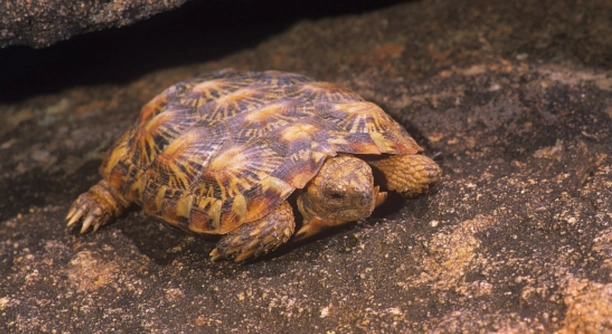
Are you looking for the best way to keep your pancake tortoise healthy and thriving? Providing the right supplements is essential to supporting their unique dietary needs and overall well-being. A balanced diet alone may not always be enough.
The key to keeping your pancake tortoise in optimal health is ensuring they receive essential supplements. Calcium, vitamin D3, and other crucial nutrients help prevent deficiencies, strengthen their shells, and support proper digestion. These supplements play a vital role in their long-term wellness.
From calcium powders to gut-loaded insects, each supplement serves a purpose in maintaining your tortoise’s health. Understanding their benefits will help you make informed choices and ensure your pet lives a happy and active life.
Calcium: The Foundation of a Strong Shell
Pancake tortoises need calcium to maintain a strong, healthy shell. Without enough calcium, their shells can become soft and weak, leading to serious health issues. In the wild, they get calcium from their diet, but in captivity, supplements are necessary. Calcium powder without phosphorus is the best choice, as it prevents imbalances. Lightly dusting their food a few times a week ensures they receive enough. Pairing calcium with vitamin D3 helps with absorption, especially if they do not get natural sunlight. A lack of calcium can lead to metabolic bone disease, which is painful and difficult to reverse.
Calcium blocks and cuttlebone are other great options. They allow the tortoise to regulate its intake naturally. Providing a varied diet with leafy greens alongside calcium supplements is key. This helps mimic their natural diet while ensuring they stay healthy.
A well-balanced calcium intake keeps your tortoise’s shell strong and body functioning properly. Proper supplementation prevents long-term health issues, allowing them to thrive. If they do not get enough, their movement may slow down, and their bones could weaken. Keeping a steady calcium source in their diet will give them the support they need for a long and active life.
Vitamin D3: Essential for Absorption
Tortoises need vitamin D3 to properly absorb calcium. Without it, even the best diet and supplements won’t be effective. In the wild, they get vitamin D3 from the sun, but indoor tortoises need an alternative source.
A high-quality UVB light is the best way to provide vitamin D3. This mimics natural sunlight, allowing your tortoise to produce the vitamin on its own. Placing the light in their enclosure and ensuring they get exposure for several hours a day helps with calcium absorption. Without it, their bones and shell can weaken, leading to serious health concerns.
If natural sunlight or UVB lighting is not an option, vitamin D3 supplements can help. These come in liquid or powdered form and should be used carefully to avoid overdosing. Too much vitamin D3 can cause calcium to build up in the body, leading to organ damage. A balanced approach is key. By ensuring your tortoise has enough UVB exposure or the right supplements, you can keep them strong and healthy.
Multivitamins: Supporting Overall Health
A varied diet is important, but it may not provide every nutrient your tortoise needs. Multivitamin supplements fill these gaps, ensuring they get essential vitamins and minerals. Using a high-quality reptile multivitamin once a week supports their immune system, growth, and overall health.
Multivitamins contain key nutrients like vitamin A, which helps with vision and skin health, and B vitamins that aid in energy production. Without enough vitamin A, tortoises can develop swollen eyes and respiratory issues. Adding multivitamins ensures they receive what their diet might lack. Choose a supplement designed for reptiles and follow dosage recommendations to avoid over-supplementation. Sprinkling a small amount on their food once a week is usually enough.
Providing a well-rounded diet with leafy greens, vegetables, and occasional fruits reduces the need for excessive supplementation. However, multivitamins act as a safety net, ensuring your tortoise stays in top condition. Pairing them with a calcium and vitamin D3 routine keeps their body functioning properly. Monitoring their health and adjusting their diet and supplements as needed will help them thrive.
Probiotics: Maintaining a Healthy Gut
A healthy digestive system is essential for proper nutrient absorption. Probiotic supplements help maintain good gut bacteria, improving digestion and reducing the risk of digestive issues. Adding probiotics to their diet supports a balanced gut and helps them break down fibrous foods more effectively.
Stress, diet changes, or illness can disrupt gut bacteria, leading to bloating or irregular bowel movements. Probiotics restore balance and improve digestion. They come in powder or liquid form and can be added to food a few times a week. Look for supplements specifically made for reptiles, as their digestive systems are different from mammals. A well-balanced gut helps your tortoise get the most nutrients from their diet.
Offering a variety of fibrous greens along with probiotics keeps their digestion running smoothly. If your tortoise shows signs of digestive discomfort, probiotics may help restore balance. Ensuring they stay hydrated and have proper humidity in their enclosure further supports gut health.
Omega-3 Fatty Acids: Supporting Inflammation and Shell Health
Omega-3 fatty acids help reduce inflammation and support shell and joint health. These healthy fats improve circulation and keep skin and scales in good condition. Flaxseed and certain reptile-safe fish oils provide a natural source of omega-3s when added in small amounts to their diet.
A proper balance of omega-3 and omega-6 fatty acids is important for overall health. Too much omega-6 can cause inflammation, so adding omega-3-rich foods or supplements helps maintain balance. Offering occasional omega-3 sources supports a strong immune system and keeps their shell from becoming too dry or brittle.
Electrolytes: Preventing Dehydration
Electrolyte supplements help prevent dehydration, especially in warm or dry environments. They assist in muscle function, hydration, and overall energy levels. Adding an electrolyte solution to their water or food can help keep them properly hydrated and prevent sluggishness.
Fiber Supplements: Aiding Digestion
A fiber-rich diet helps maintain regular digestion. If your tortoise struggles with digestion, fiber supplements like powdered hay or plant-based additives can help. Adding natural fiber sources to their meals ensures they process food efficiently and stay healthy.
FAQ
What should I do if my pancake tortoise isn’t eating?
If your pancake tortoise refuses to eat, there could be several causes. Stress, changes in the environment, or improper temperatures are common reasons. Ensure your tortoise has a consistent, comfortable temperature and humidity level in its enclosure. Check for signs of illness, like lethargy or abnormal shell appearance. It’s also important to offer a variety of fresh, nutrient-rich foods. If the issue persists, a visit to the vet is recommended.
How often should I feed my pancake tortoise?
Pancake tortoises typically eat every other day. They are herbivores, and their diet should consist mostly of leafy greens like collard greens, dandelion greens, and grass. Offer different vegetables and occasional fruits to provide variety, but avoid sugary fruits too often. Overfeeding or underfeeding can cause health issues, so ensure the portions are appropriate to their size.
How can I tell if my pancake tortoise is sick?
Signs of illness in a pancake tortoise include loss of appetite, lethargy, abnormal shell growth, and discharge from the eyes or nose. If your tortoise seems weak, isn’t eating, or has difficulty moving, it’s important to get them checked by a veterinarian. Keep an eye out for changes in behavior or appearance, as early detection of illness can help prevent more severe problems.
Can I give my pancake tortoise supplements every day?
It’s not recommended to give supplements every day. Calcium, for example, should be sprinkled on their food only a few times a week. Multivitamins can be added once a week, and vitamin D3 can be provided through UVB exposure. Too many supplements can lead to imbalances in their diet, so always follow the recommended dosage.
Is it necessary to provide UVB lighting for my pancake tortoise?
Yes, UVB lighting is essential for pancake tortoises in captivity. UVB light helps them produce vitamin D3, which is necessary for calcium absorption and healthy shell growth. Without UVB exposure, they may suffer from metabolic bone disease. Use a high-quality UVB light and ensure your tortoise gets several hours of exposure each day.
How can I maintain proper humidity for my pancake tortoise?
Pancake tortoises require moderate humidity levels in their enclosures to stay healthy. A humidity range of 50-70% is ideal. You can achieve this by regularly misting their enclosure and using a water dish for hydration. Make sure the enclosure is large enough for them to move freely, with areas that provide both dry and more humid spots. If the humidity is too low, your tortoise may suffer from dehydration or respiratory issues.
What temperature should my pancake tortoise’s enclosure be?
The temperature in their enclosure should be between 75°F and 85°F during the day, with a basking spot of around 90°F. At night, the temperature can drop to around 70°F. Consistent temperature is crucial for their digestion and overall well-being. Use a reliable thermometer to monitor the enclosure and avoid sudden temperature changes, which can stress your tortoise.
What foods are best for my pancake tortoise?
Offer a variety of leafy greens, like collard greens, mustard greens, and dandelion greens. You can also give them small amounts of vegetables like carrots and squash. Occasionally, they can enjoy fruits like strawberries or apples, but only as treats. Avoid iceberg lettuce, as it offers little nutritional value. Keep their diet high in fiber and low in protein.
Can my pancake tortoise live with other turtles or reptiles?
Pancake tortoises are generally solitary animals and may not do well living with other reptiles. They can become stressed by the presence of other species, leading to health problems. It’s best to house them alone, with plenty of space and hiding spots. If you do decide to house them with other reptiles, ensure the space is large enough to provide each one with its own area to retreat.
How often should I clean my pancake tortoise’s enclosure?
Cleaning the enclosure at least once a week is essential to prevent bacterial growth and maintain hygiene. Remove uneaten food and waste daily, and replace the substrate when it becomes soiled. A deep clean should be done every month, including washing the walls, water dish, and decor. Make sure everything is properly disinfected to avoid any health issues.
Taking care of a pancake tortoise requires a balance of the right diet, environment, and supplements. By providing them with the proper nutrition and regular care, you can ensure your tortoise remains healthy for many years. Their shells, growth, and overall well-being depend on the vitamins and minerals they receive, so it’s important to supply the necessary supplements like calcium, vitamin D3, and multivitamins. These help support a strong shell, proper digestion, and a healthy immune system. Remember that too much of any supplement can be harmful, so always follow guidelines and observe your tortoise’s behavior.
Aside from supplements, your tortoise needs a stable environment. Maintaining the right temperature, humidity, and UVB lighting will keep them comfortable and support their natural processes. Regular hydration is essential too, as dehydration can lead to serious health problems. Keeping their enclosure clean and providing them with appropriate food ensures their environment stays healthy and safe. Understanding their needs and offering a variety of leafy greens, vegetables, and occasional fruits will keep them well-nourished. Monitoring their health regularly for signs of illness or stress is equally important for their well-being.
Overall, caring for a pancake tortoise requires attention to detail and consistency. It’s not just about feeding them but also providing a well-rounded, stress-free environment. Supplements, proper diet, and the right habitat all contribute to a long and healthy life. By offering the best care, you’ll help your tortoise thrive, ensuring they have the nutrients and conditions needed to grow and stay strong. If you’re ever unsure about their health or dietary needs, consulting a vet with experience in reptiles is always a good step.

Hello,
If you enjoy the content that we create, please consider saying a "Thank You!" by leaving a tip.
Every little bit helps us continue crafting quality advice that supports the health, happiness, and well-being of pets around the world, for pets of all shapes, sizes, and species.
We really appreciate the kindness and support that you show us!