
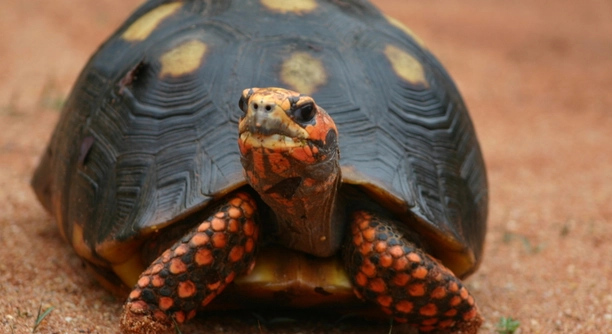
Taking care of your red-footed tortoise involves more than just feeding it. Ensuring it gets the proper nutrients through supplements can help maintain its health. Let’s take a look at the essential supplements for these reptiles.
Red-footed tortoises benefit from a variety of supplements that support their overall health, including calcium, vitamin D3, multivitamins, fiber, and omega-3 fatty acids. These supplements help promote strong bones, a healthy shell, and optimal immune function.
Understanding the right supplements for your red-footed tortoise is important for its well-being. The proper balance will help your tortoise thrive and lead a long, healthy life.
Calcium and Vitamin D3: Vital for Bone Health
For a red-footed tortoise, calcium and vitamin D3 are crucial for maintaining healthy bones and a strong shell. These two supplements work together to help the tortoise absorb calcium from its diet. Without proper calcium, the tortoise may develop soft shells and weak bones, making it more prone to injury. Vitamin D3 is essential because it helps the tortoise process calcium, especially if the tortoise doesn’t get enough exposure to sunlight. In captivity, a lack of UVB lighting or natural sunlight can lead to vitamin D3 deficiencies, causing bone deformities.
Adding a calcium supplement to their diet, combined with a UVB light, is an effective way to meet their needs. Without this essential combination, your tortoise could struggle to maintain its shell and bone health.
Tortoises should receive calcium in the form of a powdered supplement, which can be lightly dusted on their food. Additionally, ensuring proper UVB lighting for 10-12 hours a day will help your tortoise absorb the calcium efficiently.
Omega-3 Fatty Acids for Skin and Immune Health
Omega-3 fatty acids are important for red-footed tortoises, supporting skin health and boosting their immune system.
Including omega-3 supplements, like fish oil, in their diet helps maintain healthy skin and shell quality. Additionally, omega-3s can reduce inflammation and support heart health.
Multivitamins for Overall Health
Multivitamins provide red-footed tortoises with a broad range of essential nutrients that may not be present in their daily diet. These vitamins are necessary for their immune function, digestion, and overall vitality. A well-rounded multivitamin can fill in nutritional gaps and ensure the tortoise gets everything it needs for good health.
Multivitamins can help support your tortoise’s metabolism and ensure its system works smoothly. These vitamins often include A, E, C, and B-complex vitamins. Without these nutrients, tortoises might face health issues like poor digestion, weakened immunity, or even skin problems.
While tortoises may get some vitamins through their food, multivitamin supplements help guarantee they get the right amounts. It’s important to follow dosage recommendations because too much of some vitamins can cause toxicity. A good multivitamin will keep your tortoise feeling healthy and energetic.
Fiber for Healthy Digestion
Fiber is an essential part of a tortoise’s diet, promoting proper digestion and preventing issues like constipation. Adding fiber supplements can help your tortoise maintain regular bowel movements.
Tortoises require high amounts of fiber to process food efficiently, and without it, they could develop digestive problems. Fiber-rich foods like leafy greens and grass are essential, but adding fiber supplements can help ensure they are getting enough. Consistent fiber intake supports gut health and overall well-being.
Probiotics for Gut Health
Probiotics help maintain a healthy gut flora, which is essential for digestion. These beneficial bacteria aid in breaking down food and absorbing nutrients efficiently. Without probiotics, your tortoise might experience digestive problems like bloating or diarrhea.
Including a probiotic supplement can help improve your tortoise’s gut health and overall digestion. It can be especially helpful after any digestive issues or when transitioning to a new diet. Healthy gut bacteria also support the immune system, which is important for a tortoise’s overall well-being.
Antioxidants for Immune Support
Antioxidants, such as vitamin C and E, are essential for protecting your tortoise’s cells from oxidative stress. They support a healthy immune system by combating free radicals that can cause damage.
Regular intake of antioxidants helps ensure your tortoise remains resilient against illness, and they contribute to healthy skin, shell, and eyes.
FAQ
What supplements are necessary for a red-footed tortoise?
Red-footed tortoises require several key supplements to maintain their health. These include calcium, vitamin D3, multivitamins, omega-3 fatty acids, fiber, probiotics, and antioxidants. Each supplement plays a specific role, like supporting bone health, boosting the immune system, or improving digestion. It’s important to provide a balanced approach with both supplements and a well-rounded diet of fresh fruits, vegetables, and other natural foods.
How often should I give my tortoise supplements?
The frequency of supplements depends on the type of supplement. Calcium and vitamin D3 should be given a few times a week, usually dusted over their food. Multivitamins are often given once a week. Omega-3 supplements can be provided on a weekly basis as well. Fiber is usually present in their diet, so supplements are not always necessary unless you notice digestive issues. Probiotics can be added weekly or after any digestive disturbance. It’s essential to follow specific dosing guidelines provided by the manufacturer to avoid over-supplementation.
Can I use calcium and vitamin D3 supplements every day?
Calcium and vitamin D3 should not be given daily. Over-supplementing these nutrients can lead to health issues like kidney problems or shell deformities. Generally, it’s best to provide these supplements 2-3 times a week. If your tortoise is exposed to natural sunlight or UVB lighting, they may require fewer supplements, as UVB light naturally helps them process calcium and vitamin D3. Always observe your tortoise for signs of over-supplementation, like excessive shell growth or lethargy.
Are there risks of over-supplementing my tortoise?
Yes, over-supplementing can be harmful. Too much calcium can cause kidney problems or shell deformities. Excessive vitamin D3 can lead to toxicity, affecting the kidneys and causing soft tissue damage. Probiotics, when given in large quantities, can disrupt the gut flora. It’s essential to follow the recommended dosage and observe your tortoise’s behavior and health. If in doubt, consult with a veterinarian.
Can I give my tortoise fish oil for omega-3s?
Yes, fish oil is a good source of omega-3 fatty acids for red-footed tortoises. You can provide fish oil in moderation, typically once or twice a week. Omega-3s are essential for reducing inflammation, supporting skin health, and improving overall well-being. Make sure to offer a high-quality, pure fish oil supplement. You can also provide alternative sources like flaxseeds or algae-based oils, which contain plant-based omega-3s.
What is the best way to provide fiber to my tortoise?
Fiber can be provided through a diet rich in leafy greens, grasses, and high-fiber vegetables. If your tortoise has trouble maintaining proper digestion, a fiber supplement can be added to their food. Fiber helps in preventing constipation and supports healthy bowel movements. It’s vital to ensure a good mix of natural fiber-rich foods alongside any fiber supplements to maintain a balanced diet.
Do I need to give probiotics to my tortoise?
Probiotics are beneficial but not always necessary unless your tortoise has digestive issues. They help maintain healthy gut flora and support digestion. If your tortoise has had a change in diet, has experienced digestive problems like diarrhea, or is recovering from an illness, probiotics can be helpful. You can provide probiotic supplements once a week or after an illness to restore gut health. Make sure the probiotic is designed for reptiles to ensure it’s effective.
Can I give my tortoise fruit supplements?
Fruit supplements are not typically necessary for a red-footed tortoise since fruits should be given in moderation as part of their natural diet. However, if you want to add extra nutrients, you can give fruit-based supplements that contain vitamins and antioxidants. Be cautious with the amount of sugar in fruit supplements, as too much can lead to obesity or other health issues. Always ensure your tortoise gets the majority of its nutrients from fresh, whole foods.
Are there specific vitamins that red-footed tortoises need?
Yes, red-footed tortoises require vitamins like A, D3, E, and C. Vitamin A supports eye health and immune function, while vitamin D3 is essential for calcium absorption. Vitamin E acts as an antioxidant, helping to protect cells from damage. Vitamin C boosts the immune system and helps in tissue repair. Providing a multivitamin supplement once a week can help meet these needs, especially if their diet lacks these nutrients.
How can I ensure my tortoise gets the right balance of supplements?
To ensure your tortoise is getting the right balance, you need to combine a nutrient-rich diet with carefully measured supplements. A variety of leafy greens, vegetables, and fruits should make up most of their diet. Supplements should be used sparingly, and you should always follow the manufacturer’s instructions for dosage. Monitoring your tortoise’s health and adjusting supplements as needed is key. If you’re unsure, consult with a veterinarian who specializes in reptiles to develop a supplement plan tailored to your tortoise’s needs.
Final Thoughts
Taking care of a red-footed tortoise means providing them with the right balance of nutrients and supplements. These tortoises need specific vitamins, minerals, and fatty acids to thrive. Calcium and vitamin D3 are crucial for strong bones and a healthy shell. Omega-3 fatty acids support their skin and immune system, while fiber helps with digestion. Probiotics can also be beneficial for maintaining gut health, especially if your tortoise is dealing with digestive issues. Multivitamins, antioxidants, and other supplements should be considered as part of a well-rounded diet.
Remember that supplements should complement a natural, varied diet that includes plenty of fresh greens, fruits, and other suitable foods. While supplements are important, they should not replace a healthy diet. It’s essential to strike the right balance to avoid over-supplementing, which can cause harm. Follow the recommended dosages and monitor your tortoise’s health regularly. If you notice any signs of health issues, it may be a good idea to consult with a reptile vet to ensure your tortoise is getting the proper care and nutrition.
Lastly, always be mindful of your tortoise’s environment. Proper lighting, including UVB light for calcium absorption, and a safe, clean habitat are just as important as their diet and supplements. A healthy environment will help your red-footed tortoise feel at ease and live a long, healthy life. With the right care, your tortoise can thrive and grow, making for a happy companion. Be sure to stay consistent with their diet, supplements, and habitat needs, and always keep an eye on their well-being to catch any potential issues early.

Hello,
If you enjoy the content that we create, please consider saying a "Thank You!" by leaving a tip.
Every little bit helps us continue crafting quality advice that supports the health, happiness, and well-being of pets around the world, for pets of all shapes, sizes, and species.
We really appreciate the kindness and support that you show us!