
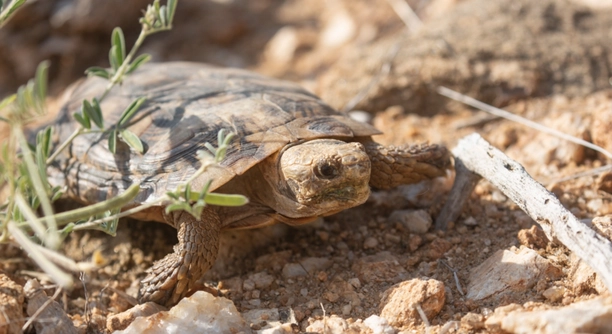
If your pancake tortoise stops eating, it could be a sign of stress or health issues. Identifying the root cause early can prevent further complications and ensure your tortoise stays healthy.
The first step is to assess your tortoise’s environment. A drop in temperature, humidity, or changes in habitat can cause stress. Additionally, any new introductions or disruptions in their routine may lead to a loss of appetite.
Understanding these factors can guide you in addressing the issue effectively, ensuring your tortoise’s well-being.
Check the Habitat Temperature and Humidity
Temperature and humidity are crucial for your pancake tortoise’s health. If the environment is too cold or too dry, they may lose their appetite. These tortoises thrive in warm, humid conditions. A drop in temperature can slow down their metabolism, making them less likely to eat. Ensure the temperature is between 85-90°F during the day and 75-80°F at night. Also, the humidity should range from 60-80%. A lack of proper humidity can lead to dehydration, which may reduce their appetite.
A simple way to fix this is by adjusting the basking light or using a humidity mist.
If your tortoise is still not eating after adjusting the environment, consider other factors such as stress or illness. Be patient, as recovery may take time.
Stress from Changes
Any changes to the tortoise’s environment or routine can cause stress. This could be moving them to a new enclosure, adding new animals, or even a shift in feeding time. Stress affects their digestion and eating habits, making them reluctant to eat.
Stress can be minimized by keeping the habitat stable and calm. Stick to a consistent schedule for feeding, cleaning, and handling your tortoise. If possible, avoid sudden changes that could disrupt their environment.
Long-term stress can cause serious health issues. A stress-free environment is essential for your tortoise to feel safe and comfortable enough to eat.
Health Issues
A variety of health problems can cause a tortoise to stop eating. Illnesses like respiratory infections, parasites, or gastrointestinal issues might make eating uncomfortable. If the tortoise seems lethargic, has runny nose, or shows signs of bloating, it’s important to check for health problems.
If you suspect an infection or internal issue, it’s best to seek advice from a vet who specializes in reptiles. They may perform a physical examination and suggest tests to rule out underlying diseases. The earlier you address potential health concerns, the better the outcome for your tortoise.
Nutritional deficiencies can also play a role. Pancake tortoises need a balanced diet of vegetables, grasses, and occasional protein. Ensure you’re offering a variety of appropriate foods, as poor nutrition can weaken the immune system and lead to eating problems.
Overfeeding
Feeding your tortoise too much can also lead to a loss of appetite. If they’re constantly overfed, they may feel full and not interested in eating the food offered. This can be a common problem, especially when owners want to make sure their pet is getting enough food.
To avoid overfeeding, it’s important to follow proper portion sizes and feed your tortoise only what it needs. A good rule of thumb is to offer food that’s no more than 10% of its body weight. If your tortoise isn’t eating, consider reducing portion sizes and allowing them time to rest between meals.
Overfeeding can lead to obesity and other health issues that affect their long-term well-being. Adjusting feeding habits can help improve their appetite and ensure they stay at a healthy weight.
Proper Lighting
Insufficient lighting can cause your pancake tortoise to stop eating. They need both UVB and heat lights to stay healthy. Without adequate light, their digestion slows down, and they may lose interest in food.
Ensure your tortoise’s enclosure has a good UVB light source to help them process calcium. The heat light should mimic natural sunlight and help regulate their body temperature. Proper lighting is crucial to maintaining a healthy appetite and overall well-being.
Diet and Hydration
If your tortoise isn’t eating, it may be due to improper diet or dehydration. Pancake tortoises require a varied diet, including leafy greens, flowers, and some fruits. A lack of food variety can lead to a loss of interest in eating.
Make sure to provide fresh water daily. Dehydration can cause a lack of appetite and other health problems. Always ensure your tortoise has access to clean, fresh water and a mix of foods to keep them interested in eating.
FAQ
Why is my pancake tortoise not eating?
There can be several reasons for your pancake tortoise’s lack of appetite. It may be due to environmental factors like incorrect temperature or humidity, stress, illness, or poor diet. Ensure their habitat is properly regulated and check for any signs of sickness.
How do I know if my tortoise is stressed?
Signs of stress include hiding, lethargy, excessive basking, or not eating. Changes in the environment, loud noises, or new pets may cause stress. Monitor your tortoise’s behavior closely to determine if something is causing them anxiety.
What temperature should my pancake tortoise’s enclosure be?
Pancake tortoises thrive in temperatures ranging from 85-90°F during the day and 75-80°F at night. Ensure a proper basking area with a heat source and use a thermometer to monitor the temperature consistently.
Can I feed my pancake tortoise fruit?
Yes, but fruits should be given sparingly. Pancake tortoises benefit from a varied diet, and occasional fruits can be part of that. Offer leafy greens and grasses more frequently, while limiting sugary fruits to avoid imbalance.
How can I hydrate my pancake tortoise?
Ensure fresh water is available at all times. Mist the enclosure to maintain humidity, and consider soaking your tortoise in shallow water for 15-20 minutes a few times a week to encourage hydration.
Should I be worried if my tortoise isn’t eating for a few days?
It’s not uncommon for tortoises to go off food for short periods. However, if your tortoise doesn’t eat for more than a few days or shows signs of illness, it’s important to consult a reptile vet for a check-up.
What is the best diet for a pancake tortoise?
The ideal diet consists mainly of leafy greens, such as collard greens and dandelion greens, along with grasses, flowers, and occasional fruit. Ensure a balanced diet with sufficient calcium and avoid feeding too many high-oxalate foods like spinach.
Can I handle my pancake tortoise?
Yes, but be gentle and avoid frequent handling. Overhandling can cause stress, leading to eating problems. Allow your tortoise to roam in a safe area but handle it minimally to avoid overwhelming it.
Is my tortoise’s behavior normal if it hides a lot?
Yes, hiding is a natural behavior for tortoises, especially if they feel stressed or during cooler periods. As long as they’re eating, drinking, and not showing signs of illness, there’s no need to worry about hiding.
How can I tell if my pancake tortoise is sick?
Look for signs like lethargy, difficulty moving, discharge from the nose or eyes, bloating, or abnormal shell appearance. If you notice any of these signs, it’s important to consult a veterinarian who specializes in reptiles.
What should I do if my tortoise stops basking?
If your tortoise stops basking, it could be a sign of stress, illness, or incorrect temperature in the enclosure. Check the temperature and humidity levels to make sure they are within the correct range and monitor your tortoise for any other symptoms.
Is it safe to keep a pancake tortoise with other pets?
It’s generally not recommended to house your pancake tortoise with other pets, especially if they’re not reptiles. Other animals may stress your tortoise or pose a risk of injury. Keep them in a separate, safe space.
How often should I feed my pancake tortoise?
Pancake tortoises should be fed every other day to avoid overfeeding. Offer a variety of greens, grasses, and occasional fruit. Always provide fresh water and adjust feeding based on the tortoise’s activity and age.
Why is my pancake tortoise so inactive?
Lack of activity can be due to various factors, including poor environmental conditions, sickness, or stress. Ensure proper temperature, lighting, and hydration. If inactivity persists, it may be time for a vet consultation.
Can a pancake tortoise eat too much?
Yes, overfeeding can lead to obesity, causing health problems. It’s important to offer the correct portions and monitor your tortoise’s weight. Adjust feeding based on your tortoise’s size and activity level to prevent overfeeding.
How do I keep my pancake tortoise’s shell healthy?
A healthy shell comes from proper diet, hydration, and avoiding injuries. Make sure your tortoise is getting enough calcium, and provide a clean, safe environment. If your tortoise’s shell is soft or deformed, seek veterinary care immediately.
Why is my pancake tortoise not eating greens?
Your tortoise may be rejecting greens if they are not fresh, too bitter, or if it has developed a preference for other foods. Try offering a variety of greens or mix them with a small amount of fruit to entice them.
What is the best substrate for my pancake tortoise’s enclosure?
The best substrate is one that mimics their natural environment while providing adequate humidity. Coconut coir, organic soil, or a mix of both work well. Avoid sand or gravel, as they can cause digestive issues if ingested.
Can a pancake tortoise live outside?
Yes, a pancake tortoise can live outside, but only if the climate is suitable. They need a warm, dry environment with access to shade and plenty of space. Ensure that their enclosure is secure and safe from predators.
How can I improve the lighting in my pancake tortoise’s enclosure?
Ensure proper UVB and heat lighting to mimic natural sunlight. Use a UVB bulb specifically designed for reptiles and replace it every 6 months. Position the light source so that your tortoise can bask comfortably under it while avoiding overheating.
Final Thoughts
It’s important to remember that pancake tortoises are sensitive creatures. If your tortoise stops eating, there could be several factors affecting their health. From environmental conditions like lighting and temperature to diet and stress, identifying the cause of their lack of appetite is crucial. Ensuring their habitat is properly set up with the right UVB lighting, temperature, and humidity levels is the first step toward encouraging them to eat again. A balanced diet, along with fresh water and occasional variety in food, is also important for their well-being.
In some cases, health issues could be the reason for a tortoise’s refusal to eat. It’s essential to monitor their behavior closely. If you notice other signs of illness such as lethargy, discharge from the eyes or nose, or shell abnormalities, it’s vital to seek help from a reptile vet. Regular check-ups will ensure that your tortoise stays healthy and can help detect any potential problems early. While it’s natural for tortoises to go off food occasionally, it’s best to keep a close eye on their overall behavior to determine when a vet visit is necessary.
Pancake tortoises can be rewarding pets to care for with the right attention to their needs. By maintaining their environment and diet correctly, you can ensure they live a long and healthy life. As they are naturally shy and can be prone to stress, handling them gently and offering a calm, secure space will help them thrive. Their dietary needs may change as they grow, so adjusting their food and ensuring hydration will keep them healthy. With proper care and regular observation, you’ll be able to solve any issues that arise, helping your tortoise regain its appetite and stay content.

Hello,
If you enjoy the content that we create, please consider saying a "Thank You!" by leaving a tip.
Every little bit helps us continue crafting quality advice that supports the health, happiness, and well-being of pets around the world, for pets of all shapes, sizes, and species.
We really appreciate the kindness and support that you show us!