
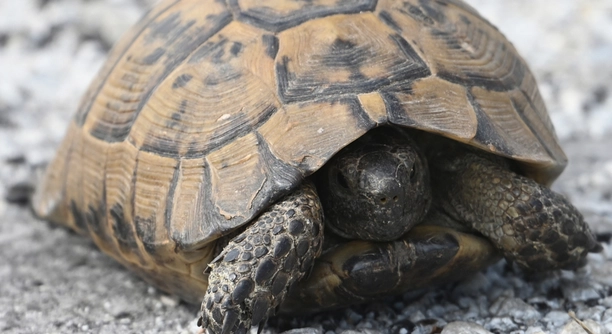
Preparing your Greek tortoise for brumation is an essential step to ensure its health and safety during the colder months. It requires careful planning and attention to detail to support its natural behavior.
To properly prepare your Greek tortoise for brumation, it’s important to ensure it is healthy, hydrated, and has access to appropriate shelter. Gradually reduce its food intake and maintain proper environmental conditions to promote a safe and natural brumation process.
Understanding the right steps can make this process smoother for both you and your tortoise. Proper brumation is key to ensuring your tortoise thrives in the long term.
Preparing Your Greek Tortoise’s Habitat for Brumation
Before your Greek tortoise enters brumation, it’s crucial to prepare its habitat. The temperature, humidity, and environment all play a major role in ensuring that the process goes smoothly. A safe, quiet, and stable environment is essential for your tortoise to enter a proper brumation. The ideal temperature should range between 40°F and 50°F, as this mimics the natural conditions of winter for wild tortoises. Humidity levels should also be controlled to prevent dehydration, which can be harmful during brumation.
Make sure to place your tortoise in an area where it feels secure and undisturbed. An enclosed space, like a hibernation box, can help maintain consistent temperature and humidity levels. Keep away from heat sources, as fluctuations can negatively impact its health.
A well-maintained habitat ensures a smooth transition into brumation. Consider investing in a thermostat and humidity gauge to monitor these factors regularly. Your tortoise’s health will greatly benefit from a stable and controlled environment during this time.
Diet Adjustments Before Brumation
As brumation approaches, it’s important to adjust your tortoise’s diet. Gradually reduce the amount of food you offer to allow its metabolism to slow down.
For about two weeks leading up to brumation, you should cut back on food intake. This helps your tortoise’s digestive system empty, reducing the risk of food remaining in the stomach during brumation, which can cause discomfort or health issues. Once brumation begins, your tortoise won’t need to eat for several months.
The gradual reduction in food prevents sudden changes that could stress your tortoise. By following this step, you help ensure that the process goes smoothly. Additionally, providing hydration during this time is essential to maintain its health, even though eating slows down.
Health Check Before Brumation
A thorough health check is crucial to ensure your tortoise is fit for brumation. This includes assessing its weight, appetite, and overall condition.
Before brumation, it’s important to ensure your Greek tortoise is healthy. A visit to the vet is advisable to rule out any illnesses that could complicate brumation. Any health problems should be addressed before your tortoise enters its dormant state. Make sure it has a good body condition and isn’t showing signs of illness, such as lethargy or weight loss.
A healthy tortoise will have a better chance of surviving brumation. Check for any respiratory issues or signs of dehydration, and make sure your tortoise is active before the brumation period. If you’re unsure about its health, seek professional advice from a reptile vet to make sure your tortoise is ready for the process.
Hydration and Bathing
Keeping your tortoise hydrated before brumation is essential. Dehydration can cause complications during this time, so providing regular baths is helpful.
Bathing your Greek tortoise in lukewarm water a few days before brumation ensures it is properly hydrated. A short, shallow bath for around 15 to 20 minutes helps replenish its moisture levels. This is particularly important for tortoises that are picky drinkers and may not drink water on their own. The bath also encourages movement and reduces the chance of constipation, which could otherwise impact brumation.
Ensure the water is not too hot or cold, as temperature extremes can cause stress. After the bath, let your tortoise dry off naturally in a warm environment. Keeping it hydrated is vital to prevent any health issues during the dormant phase.
Monitoring Temperature and Humidity
Monitoring the temperature and humidity is essential during brumation. This ensures your tortoise remains in a stable environment.
Use a thermometer and hygrometer to regularly check the temperature and humidity in the brumation area. Ideally, the temperature should stay between 40°F and 50°F, while humidity should remain between 60% and 80%. Both factors are vital for the health of your tortoise during this time.
Staying on top of these conditions reduces the risk of health complications. Avoid fluctuations, as changes can stress your tortoise or cause dehydration. A consistent environment provides the best chance for a safe brumation process.
Choosing a Safe Brumation Spot
Choose a quiet, dark spot for your tortoise’s brumation. Avoid places with frequent disturbances.
Pick a space where your tortoise won’t be disturbed by pets, children, or other factors. Ensure it’s away from direct sunlight or sources of artificial light.
Regular Check-ups During Brumation
Check your tortoise occasionally throughout the brumation process. It’s important to monitor its health to prevent any unexpected issues.
While brumating, check your tortoise’s condition once every two weeks. Ensure it is not losing too much weight or showing signs of distress. If any concerns arise, consult your veterinarian immediately.
FAQ
How long should my Greek tortoise brumate?
The length of brumation can vary but typically lasts between 8 to 12 weeks. The duration depends on factors like temperature, health, and the tortoise’s age. Make sure the brumation environment is stable throughout, and if you’re unsure, it’s safer to keep your tortoise brumating for about 10 weeks.
Can I wake my tortoise up during brumation?
It’s best not to wake your tortoise up during brumation unless absolutely necessary. Waking it can interrupt the natural process, leading to stress and possible health issues. If you must, keep the conditions stable to avoid shocking your tortoise’s system.
Should I feed my tortoise before brumation?
Yes, feeding your tortoise right before brumation is important. Ensure that it’s well-fed and hydrated in the weeks leading up to the dormant phase. Gradually reduce food intake as brumation approaches, but avoid completely fasting right before.
Can I leave my tortoise in brumation for too long?
While tortoises can naturally brumate for extended periods, you should not leave them too long if their health is not properly monitored. Prolonged brumation can lead to dehydration or malnutrition. It’s important to check your tortoise regularly and consult a vet if unsure.
What if my tortoise doesn’t want to brumate?
If your tortoise doesn’t show signs of brumation, it may not be ready. Ensure it’s healthy, with no underlying medical issues. You may need to adjust the temperature and lighting to mimic winter conditions better. Sometimes, older or younger tortoises skip brumation, which is natural in some cases.
How do I know if my tortoise is healthy before brumation?
Before brumation, make sure your tortoise is active, maintains a healthy weight, and has no signs of illness. A visit to the vet is highly recommended to check for any underlying health issues, such as respiratory infections or parasites.
Can I hibernate my tortoise in the fridge?
It’s not recommended to use a refrigerator to brumate your tortoise unless you are experienced. While it mimics natural conditions, the risk of temperature fluctuation and improper humidity can be harmful. Instead, use a cooler or hibernation box in a controlled environment.
Is it safe to brumate a sick tortoise?
Brumating a sick tortoise is risky and should be avoided. If your tortoise has health problems, consult a vet before allowing it to brumate. Brumation can worsen health conditions, especially if it’s already weak. Always ensure your tortoise is healthy before starting brumation.
How do I prepare the hibernation box for my tortoise?
Set up a hibernation box with soft bedding, like dry leaves or coconut fiber. Ensure the box is in a cool, dry place with no risk of temperature fluctuation. The bedding should be deep enough to allow your tortoise to burrow if it feels necessary.
What temperature should the brumation area be?
The ideal temperature for brumation is between 40°F and 50°F. Anything outside this range can either be too warm or too cold, which can disrupt the brumation process. Use a thermometer to keep the temperature consistent.
How often should I check on my tortoise during brumation?
Check your tortoise about once every two weeks during brumation to ensure it’s in good condition. Look for any signs of distress, dehydration, or weight loss. If you notice any concerning changes, consult a vet immediately.
Is it necessary to bathe my tortoise before brumation?
Yes, bathing your tortoise before brumation helps ensure it is properly hydrated. A lukewarm bath for 15-20 minutes will allow your tortoise to absorb water, helping prevent dehydration. This is a simple but important step for a healthy brumation.
How do I know when brumation is over?
Brumation ends when your tortoise starts to move around, showing signs of waking up. It may begin to eat, drink, or become more active. Once these behaviors are evident, gradually increase the temperature and light levels to stimulate its waking process.
Can brumation cause long-term harm to my tortoise?
If done correctly, brumation should not cause long-term harm. However, improper conditions such as incorrect temperatures, poor hydration, or an unhealthy tortoise can result in complications. Regular checks and proper preparation are key to avoiding any lasting effects.
Final Thoughts
Preparing your Greek tortoise for brumation is an important process that requires careful attention. By providing the right environment, monitoring temperature and humidity, and ensuring your tortoise is healthy, you can support its natural cycle. Brumation is not something to be taken lightly; it’s a critical period for your tortoise’s overall well-being. Properly managing its needs before, during, and after brumation will help it stay safe and healthy throughout the process.
Regular check-ups during brumation are essential to ensure your tortoise remains in good condition. Checking its weight, hydration levels, and overall health will allow you to address any concerns before they become serious issues. If you notice any unusual signs, it’s important to seek veterinary advice. Though it’s tempting to leave your tortoise undisturbed, checking in on it can provide peace of mind and prevent complications. Remember, brumation is a natural, healthy part of your tortoise’s life cycle, but it’s your responsibility to support it properly.
After brumation, gradually waking your tortoise and restoring normal conditions is just as important. Slowly increasing the temperature and offering food and water ensures a smooth transition back to normal activity. A slow and steady approach will help your tortoise readjust. Overall, with the right preparation and care, you can make brumation a safe and beneficial experience for your Greek tortoise.

Hello,
If you enjoy the content that we create, please consider saying a "Thank You!" by leaving a tip.
Every little bit helps us continue crafting quality advice that supports the health, happiness, and well-being of pets around the world, for pets of all shapes, sizes, and species.
We really appreciate the kindness and support that you show us!