
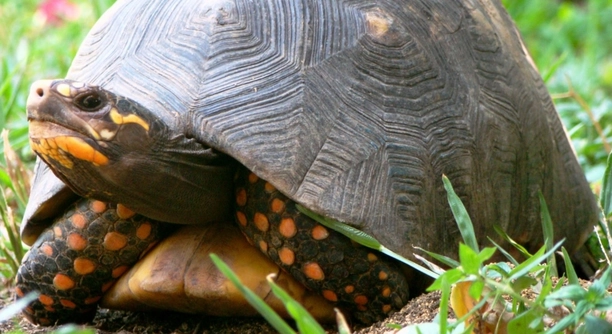
Taking care of a red-footed tortoise requires attention to detail, especially when it comes to their nails. Regular nail trimming is an important part of their overall health and comfort.
To keep a red-footed tortoise’s nails trimmed properly, follow a step-by-step approach. Start by assessing the nails, gathering the right tools, and using safe trimming methods. Regular maintenance will help prevent discomfort or injury.
Proper trimming ensures your tortoise remains healthy and happy. These simple steps will guide you in caring for your pet’s nails the right way.
Why Nail Care Is Important for Red-Footed Tortoises
Caring for a red-footed tortoise involves more than just providing food and water. Their nails require regular trimming to avoid growth problems. Long nails can make it hard for them to walk properly and cause stress or injury. Trimming helps maintain their natural posture and mobility. It also prevents their nails from breaking or getting caught on objects. Neglecting this care can result in painful conditions like overgrown nails that curl or cause discomfort. Nail trimming is a simple but essential part of maintaining your tortoise’s health. Understanding the importance of this task will ensure that your pet remains comfortable and active.
To keep your tortoise healthy, nail care is essential. Regular trimming should be part of your tortoise’s routine. Taking care of their nails will avoid unnecessary issues down the line.
Red-footed tortoises tend to have strong, durable nails, but without proper maintenance, they can become overgrown. Nails that are too long can cause discomfort, affecting your tortoise’s ability to move around or even eat properly. This can lead to unnecessary stress on the joints and affect their overall well-being. A quick trim every few weeks can help prevent these problems, making sure that their nails stay within a healthy length. Additionally, when nails grow too long, they may curl and cause injury to the toes. Trimming prevents these issues and contributes to your tortoise’s long-term health.
Tools You’ll Need for the Job
To trim your tortoise’s nails, it’s important to use the right tools. You don’t need any fancy equipment, but a few basic items will make the process easier and safer. A pair of small animal nail clippers will work well for trimming, as they are designed for delicate nails like those of a tortoise. If you don’t have nail clippers, a sharp pair of scissors can also work. Make sure the blades are clean and sharp to avoid crushing the nails. You’ll also need a towel or cloth to gently hold the tortoise still during the trimming. Using these tools will ensure that the process goes smoothly, reducing the risk of injury or unnecessary stress for your tortoise. Keep them in a safe spot for easy access when it’s time for maintenance.
Having the right tools is crucial for a successful nail trim. This will help avoid accidents and ensure your tortoise stays calm.
Make sure you have everything ready before you start trimming. A clean, quiet space will help keep your tortoise calm during the process. It’s also helpful to have some treats nearby as a reward for your pet afterward. Use the nail clippers to carefully trim the tip of the nails, ensuring not to cut too close to the quick, the sensitive part of the nail. If you’re unsure where to cut, it’s always best to trim a little at a time. It’s better to be cautious than to risk cutting too much and causing bleeding. Regular trims with the proper tools will make your tortoise’s nails easier to manage and keep them comfortable.
How to Safely Handle Your Tortoise During Nail Trimming
It’s important to keep your red-footed tortoise calm and secure while trimming its nails. Gently wrap your tortoise in a towel to prevent sudden movements. This will make them feel more comfortable and prevent any accidental injury.
Once wrapped, place your tortoise on a flat surface, like a table or a counter. Make sure they are stable and can’t escape. This is the time to carefully check their nails before trimming. Some tortoises may try to pull away, so keep a firm but gentle hold. It’s helpful to have a second person around for extra support, especially if your tortoise is squirmy. The key is to keep them still and safe while you work.
Keep the trimming sessions short to avoid stressing your tortoise. If your pet seems anxious, take breaks. Make sure to be as gentle as possible to avoid causing them any discomfort. A calm approach will make the process easier for both you and your tortoise.
What to Do if You Cut Too Much
Sometimes, it’s easy to accidentally trim too much off a tortoise’s nail. If you do cut into the quick, you may notice a small amount of bleeding. Don’t panic. The best thing to do is apply gentle pressure with a clean cloth or gauze to stop the bleeding. If the bleeding doesn’t stop after a few minutes, you can apply styptic powder to the nail. This powder helps to clot the blood and prevent further bleeding. Always keep some on hand for situations like this.
In more severe cases, or if the bleeding doesn’t stop, it’s best to contact your vet. They can assess if any further treatment is needed. However, most of the time, cutting the nail too short won’t cause lasting damage, as long as you stop the bleeding quickly. Afterward, try to avoid trimming that same nail too soon. It’s best to give it time to heal before attempting another trim.
How Often Should You Trim Your Tortoise’s Nails?
Trimming your red-footed tortoise’s nails every 4 to 6 weeks is ideal. This helps prevent overgrowth while keeping the nails manageable. However, the exact timing may vary depending on how quickly your tortoise’s nails grow. Regular checks will help you determine the best schedule.
It’s a good idea to monitor their nails and adjust your trimming routine as needed. Some tortoises may need more frequent trims, while others may need fewer. Overgrown nails can lead to problems, so don’t wait too long between trims. Keeping a steady routine will keep your pet comfortable.
Signs You Need to Trim Your Tortoise’s Nails
If you notice your tortoise’s nails touching the ground or curling, it’s time for a trim. Overgrown nails can cause discomfort and prevent them from walking properly. Check regularly for signs of long or uneven nails.
Look for signs of injury, too, like cracked or broken nails. These can be a result of neglecting nail care, so be sure to inspect your tortoise’s feet often. Proper nail maintenance helps avoid these problems and ensures your pet stays happy and active. Regular trimming also supports overall health and well-being.
FAQ
What if my red-footed tortoise doesn’t like getting its nails trimmed?
Some tortoises are more sensitive to nail trimming than others. If your tortoise seems anxious or distressed, try to make the experience as calm as possible. Gently wrapping them in a towel can help reduce movement and make them feel more secure. You may also want to have someone help hold the tortoise still while you trim. If your tortoise refuses to stay still or gets very upset, take a break and try again later. It’s important to go at their pace to avoid causing unnecessary stress.
Can I trim my tortoise’s nails with regular human nail clippers?
While human nail clippers may work in a pinch, it’s best to use clippers specifically designed for small animals. Pet nail clippers are sturdier and often have a more appropriate blade shape for animal nails. If you only have human clippers, make sure they’re clean and sharp. Using the right tool will make the job easier and safer for both you and your tortoise.
How short should I trim my tortoise’s nails?
Trim your tortoise’s nails just enough to keep them from touching the ground or curling. You should avoid cutting too close to the quick, which is the sensitive area inside the nail. If you’re unsure, trim a small amount at a time. It’s better to trim less and recheck after a few days than to risk cutting too much. Taking small, gradual cuts helps prevent injury.
What happens if I don’t trim my tortoise’s nails?
Neglecting to trim your tortoise’s nails can lead to several issues, including discomfort, difficulty walking, and even injury. Overgrown nails can get caught on surfaces, leading to painful breaks or tears. In extreme cases, the nails can curl into the tortoise’s skin, causing infection or permanent damage. Regular trimming prevents these problems and helps keep your tortoise comfortable.
Can I use a nail file instead of clippers?
While a nail file can be used for smoothing rough edges after trimming, it’s not ideal for the actual trimming process. A nail file may not be strong enough to cut through your tortoise’s nails, and it could take much longer to accomplish the task. Clippers are much faster and more efficient. Once you’ve trimmed the nails, feel free to use a file to smooth them out if necessary.
Is it okay to trim my tortoise’s nails with a Dremel tool?
A Dremel tool can be used, but it’s essential to proceed with caution. It’s important to use a low-speed setting and be very careful not to overheat the nail. If you’re not experienced with a Dremel, you may want to avoid it. The tool can be helpful for smoothing nails, but it’s crucial to avoid cutting too deep, as it can cause injury to the tortoise. If you do decide to use a Dremel, make sure to take extra care to avoid stress and discomfort.
How can I tell if my tortoise’s nails are too long?
If your tortoise’s nails are touching the ground or curling, they are likely too long. This can affect their movement and cause strain on their legs and feet. Overgrown nails can also become brittle, leading to cracks or breaks. Regularly check your tortoise’s nails to ensure they remain within a healthy length. If they’re difficult to walk on or catch on surfaces, it’s definitely time for a trim.
Are there any special considerations for trimming nails in young tortoises?
Young tortoises have more delicate nails, so it’s important to be extra cautious when trimming. You should only trim the very tips of their nails, and avoid cutting too much at once. Their nails can grow quickly, so be sure to check them regularly. It’s also a good idea to handle them gently during the process, as they are still growing and can be more sensitive than adult tortoises.
What should I do if I accidentally cut into the quick?
If you accidentally cut into the quick, it’s important to stop the bleeding immediately. Apply pressure to the affected nail with a clean cloth or gauze. If the bleeding continues, use styptic powder to help stop it. Styptic powder is designed to clot blood and prevent further bleeding. If you don’t have styptic powder, cornstarch or flour can work as an alternative. If the bleeding doesn’t stop or if you’re unsure of how to handle it, contact your veterinarian for advice.
How can I prevent my tortoise’s nails from getting too long?
To prevent your tortoise’s nails from growing too long, make sure to provide a proper habitat that encourages natural wear. Allowing your tortoise to roam on a rough surface, like gravel or outdoor terrain, will help naturally file down the nails. However, if they are in an indoor enclosure, regular nail trimming will still be necessary. Providing a balanced diet with plenty of calcium can also help maintain healthy nail growth. Regular checks and trimming every few weeks will keep their nails from growing too long.
Do tortoises’ nails grow back if they break?
If a tortoise’s nail breaks, it will usually grow back over time, though the process can take several months. The nail may grow back slower than the growth of their other nails, so you may need to keep an eye on it to ensure it heals properly. If the nail break is severe or leads to infection, it’s best to consult a vet. Most tortoises’ nails recover naturally, but proper care is key to preventing infections and ensuring healthy regrowth.
Final Thoughts
Trimming a red-footed tortoise’s nails may seem like a small task, but it’s an essential part of their overall care. Regular nail trimming helps prevent overgrowth, discomfort, and injury, allowing your tortoise to move freely and comfortably. Without proper nail care, their nails can become too long, which may lead to problems such as difficulty walking, curling, or even breaking. Keeping a consistent trimming schedule will ensure that your tortoise stays healthy and active, which is important for their long-term well-being.
The process itself doesn’t have to be stressful for either you or your tortoise. With the right tools and a calm environment, you can make nail trimming a routine part of your pet’s care. Always remember to be gentle and patient, especially if your tortoise is new to the process. If you’re ever unsure about how much to trim or how to handle your tortoise, it’s always a good idea to consult with a vet. They can guide you on the best practices and provide additional tips to ensure your tortoise is comfortable during the process.
By keeping a watchful eye on your tortoise’s nails and trimming them as needed, you’ll help prevent unnecessary complications. Regular checks and a proper trimming routine will also allow you to spot potential problems early, such as nail injuries or infections. Taking care of your tortoise’s nails is a small but important step in ensuring their health and happiness. With time and patience, nail trimming will become a simple task that keeps your red-footed tortoise moving comfortably and staying happy.

Hello,
If you enjoy the content that we create, please consider saying a "Thank You!" by leaving a tip.
Every little bit helps us continue crafting quality advice that supports the health, happiness, and well-being of pets around the world, for pets of all shapes, sizes, and species.
We really appreciate the kindness and support that you show us!