
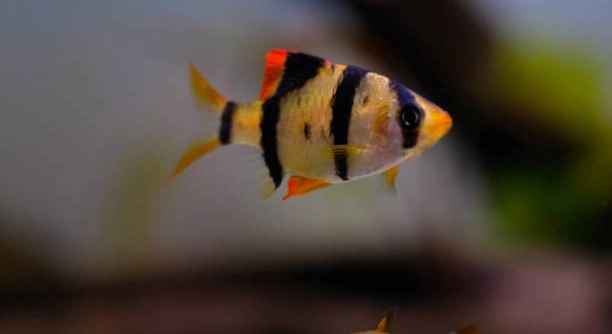
Buying tiger barbs can be exciting for any fish enthusiast. These lively fish add color and activity to home aquariums. However, preparing properly before introducing them is essential for their well-being and your enjoyment.
Before buying tiger barbs, it is important to research their care requirements, tank size, water conditions, diet, tank mates, and potential health issues. Taking these steps ensures a balanced environment and promotes the fish’s health and longevity.
Understanding these essential steps helps create a healthy habitat and avoid common problems. Proper preparation leads to a rewarding experience with tiger barbs.
Understanding Tiger Barb Behavior
Tiger barbs are active and social fish that thrive in groups of six or more. Their natural behavior includes constant movement and occasional nipping, especially if kept in smaller groups. This species can be aggressive toward slower, long-finned fish. Providing enough space and companions helps reduce stress and aggressive tendencies. It is important to monitor their interactions regularly to prevent harm to other tank inhabitants. A well-planned tank environment with hiding spots also supports their natural behavior, making them more comfortable and balanced. Knowing these behavioral traits will help you create a harmonious aquarium that suits tiger barbs’ needs. Proper tank mates include similarly sized, fast-moving fish that can tolerate their occasional nips without stress.
Tiger barbs’ active nature means a lively aquarium atmosphere. They require attention to their group size and tank setup to avoid aggression.
Maintaining a healthy group dynamic is key. Ensuring enough companions and hiding places minimizes stress and aggression. This fosters a stable environment for all fish, allowing tiger barbs to display their vibrant personalities without causing trouble. Regular observation helps catch early signs of conflict, allowing for timely adjustments.
Tank Setup and Water Conditions
Tiger barbs require a tank of at least 20 gallons to provide sufficient swimming space. Water temperature should be maintained between 74°F and 79°F, with a pH level ranging from 6.0 to 7.5. Consistent water quality is essential, so a good filtration system and regular water changes are necessary. The tank should include plants and decorations that offer hiding spots to reduce stress. Avoid overcrowding, as this can lead to increased aggression and health problems. Lighting should mimic natural daylight but not be too intense, to keep the fish comfortable. Proper substrate and gentle water flow contribute to a healthy habitat. Monitoring water parameters regularly ensures stable conditions. Establishing the right environment before adding tiger barbs supports their well-being and longevity in the aquarium.
Setting up the tank correctly prevents many common issues and helps tiger barbs thrive.
By providing appropriate tank size, stable temperature, and clean water, you create a balanced environment. Including plants and hiding places allows fish to feel secure, reducing aggressive behavior. Avoid overcrowding by limiting the number of fish based on tank size. Good filtration and regular maintenance are vital for water quality. Proper care in tank setup helps prevent illness and stress, promoting healthy growth and activity in tiger barbs over time. This preparation allows you to enjoy their colorful presence without frequent problems.
Feeding Tiger Barbs
Tiger barbs require a varied diet to stay healthy. Their food should include flakes, pellets, and occasional live or frozen treats like bloodworms or brine shrimp. Feeding small amounts two to three times daily prevents overfeeding and keeps the water clean.
Providing balanced nutrition supports their energy and vibrant colors. High-quality flake or pellet food designed for tropical fish works well as a staple. Supplementing with protein-rich live or frozen foods helps meet their dietary needs and encourages natural hunting behavior. Avoid feeding only one type of food to prevent nutritional deficiencies.
Overfeeding can cause water pollution and health problems. It is important to remove uneaten food after feeding and maintain a regular schedule. This care routine contributes to their overall health and reduces stress-related issues. Watching their appetite and adjusting portions ensures they stay fit and active.
Choosing Compatible Tank Mates
Tiger barbs can be aggressive, so tank mates should be chosen carefully. Avoid slow-moving, long-finned fish that may become targets for nipping. Suitable companions include fast, similarly sized species that tolerate their behavior.
Compatibility depends on the temperament and size of other fish. Species like danios, rasboras, and other barbs often do well with tiger barbs. Avoid fish that may stress easily or have elaborate fins. Providing enough space and hiding spots also reduces conflicts between species.
Adding tank mates gradually while monitoring their interactions helps maintain peace. It is important to observe early signs of aggression and be prepared to separate fish if needed. Thoughtful selection and management of tank mates promote a balanced and healthy aquarium environment.
Monitoring Health and Signs of Illness
Regular observation is necessary to catch health issues early. Look for changes in behavior, appetite, or appearance. Symptoms like faded colors, clamped fins, or spots may indicate illness.
Promptly addressing any signs helps prevent disease spread. Maintaining clean water and stable conditions supports overall health.
Quarantine New Fish
Quarantining new fish for at least two weeks helps prevent introducing diseases. Use a separate tank with similar water conditions to monitor their health before adding them to the main aquarium.
This step protects existing fish by minimizing risks and allows for treatment if needed.
Breeding Tiger Barbs
Breeding tiger barbs requires a separate breeding tank with soft, slightly acidic water. Provide plenty of plants or spawning mops for egg laying. Remove adults after spawning to protect the eggs.
Raising fry demands careful feeding and water quality management.
Equipment Essentials
A reliable filter, heater, and proper lighting are essential for tiger barbs. These maintain stable water quality and temperature, ensuring their comfort and health.
FAQ
How many tiger barbs should be kept together?
Tiger barbs are schooling fish that do best in groups of six or more. Keeping fewer than six often leads to aggressive behavior and stress. A larger group helps distribute aggression and keeps the fish active and social. This group size promotes a balanced and peaceful tank environment.
What size tank is ideal for tiger barbs?
A minimum tank size of 20 gallons is recommended for a small group of tiger barbs. Larger tanks provide more swimming space and reduce aggression. Adequate space also allows you to add compatible tank mates and plants that improve the fish’s quality of life.
What water parameters do tiger barbs need?
Tiger barbs thrive in water with a temperature between 74°F and 79°F. The pH should range from 6.0 to 7.5, with moderate hardness. Regular testing is essential to maintain stable water conditions. Avoid sudden changes in temperature or chemistry to prevent stress and illness.
What do tiger barbs eat?
They are omnivores and require a varied diet. High-quality flakes or pellets serve as the main food, supplemented by live or frozen items like bloodworms, brine shrimp, or daphnia. Feeding small amounts two to three times daily prevents overfeeding and keeps water quality high.
Are tiger barbs aggressive?
Tiger barbs can be semi-aggressive, especially in small groups or crowded tanks. They may nip fins of slower or long-finned fish. Proper group size, sufficient space, and appropriate tank mates reduce this behavior. Adding hiding spots also helps minimize aggression.
Can tiger barbs live with other fish?
Yes, but tank mates must be carefully chosen. Fast, similarly sized fish like danios or rasboras tend to coexist well. Avoid slow-moving or long-finned species, which may become targets. Always monitor fish interactions to ensure harmony in the tank.
How often should I clean the tank?
Perform partial water changes of about 20-30% weekly to maintain good water quality. Clean filters as needed but avoid disturbing beneficial bacteria. Regular cleaning prevents buildup of harmful waste and supports the health of tiger barbs and other tank inhabitants.
How do I prevent diseases in tiger barbs?
Maintaining stable water conditions, a clean tank, and a balanced diet is key. Quarantine new fish for two weeks before adding them to the main tank to avoid introducing illnesses. Observe fish daily for any signs of sickness and address problems early.
How long do tiger barbs live?
With proper care, tiger barbs can live between 5 and 7 years. Factors influencing lifespan include tank conditions, diet, and overall care quality. Consistency in maintenance and monitoring health supports their longevity.
Can tiger barbs breed in a community tank?
Breeding in a community tank is unlikely due to the risk of adults eating the eggs or fry. For successful breeding, use a separate tank with controlled conditions and remove adults after spawning. This increases survival chances for the young fish.
Final Thoughts
Buying tiger barbs requires thoughtful preparation to ensure their well-being and your satisfaction. These fish bring energy and color to a tank but need specific care to thrive. Understanding their behavior, tank needs, and diet before purchase helps create a suitable environment. Providing proper tank size, water conditions, and compatible companions reduces stress and aggression. Careful planning can prevent many common problems that new owners face. Taking the time to set up their habitat correctly is an important step toward maintaining healthy and active tiger barbs.
Regular maintenance and attention to water quality are crucial for keeping tiger barbs healthy. Feeding them a balanced diet that includes both dry and live or frozen foods supports their energy and vibrant colors. Monitoring their health closely allows early detection of any issues and quick response to prevent serious problems. Quarantining new fish before adding them to the main tank protects the existing population from potential diseases. All these practices contribute to a stable and peaceful aquarium environment, where tiger barbs can display their natural behavior and beauty.
In summary, tiger barbs can be rewarding pets when cared for properly. Their lively nature and striking appearance make them a popular choice, but they do require commitment and knowledge. Understanding their needs for social interaction, tank setup, water parameters, and diet ensures they live comfortably. Thoughtful selection of tank mates and regular observation help maintain harmony and reduce stress. By following these guidelines, you can enjoy a vibrant aquarium filled with healthy tiger barbs for years to come.

Hello,
If you enjoy the content that we create, please consider saying a "Thank You!" by leaving a tip.
Every little bit helps us continue crafting quality advice that supports the health, happiness, and well-being of pets around the world, for pets of all shapes, sizes, and species.
We really appreciate the kindness and support that you show us!