
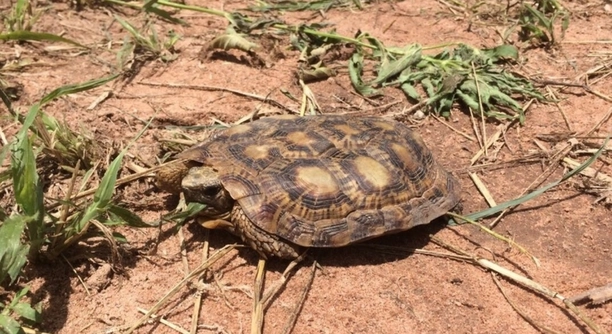
Pancake tortoises are fascinating creatures, known for their unique shape and active nature. If you have multiple pancake tortoises or plan to keep more than one, there are essential rules to ensure their safety and well-being in a shared environment.
To safely keep pancake tortoises together, it’s crucial to provide enough space, ensure they have hiding spots, avoid overcrowding, and offer proper food and temperature conditions. Monitoring their behavior regularly can prevent territorial disputes and stress.
By following these guidelines, you’ll not only keep your pancake tortoises safe but also create a peaceful environment where they can thrive. The next steps will help you keep things on track.
Provide Ample Space for Your Tortoises
When it comes to keeping pancake tortoises together, the most important factor is space. These tortoises are naturally active, and they need room to roam. A cramped enclosure can lead to stress and aggression. You should ensure that your enclosure is large enough for them to move around freely without feeling threatened. As a general guideline, for two pancake tortoises, a 4×2 feet space should be the minimum. If you have more, increase the space accordingly.
Providing ample space helps reduce territorial disputes. When the tortoises are too close together, they may fight over resources like hiding spots and food. Proper space allows them to set boundaries and avoid conflict. A larger enclosure also lets you add more enrichment, like rocks and plants, which encourages their natural behaviors.
Remember, a tortoise that feels cramped will be more stressed, which can affect its health in the long run. The more space you offer, the better chance your pancake tortoises will live happily together.
Hiding Spots Are Essential
Pancake tortoises are shy creatures. To ensure they live peacefully, provide multiple hiding spots. These give them a safe space to retreat when they feel stressed or threatened.
Adding hiding spots is an easy but effective way to help tortoises feel secure. They will appreciate a variety of places where they can rest without the constant pressure of other tortoises nearby. Simple items like logs, caves, or flat rocks work well for this purpose.
Proper Food and Diet
Offering the right food and ensuring it’s available for all tortoises equally can help prevent conflict. Pancake tortoises are herbivores and need a diet of leafy greens, grasses, and vegetables. Providing a variety of fresh food is crucial to avoid dominance over the food supply.
If one tortoise feels it isn’t getting enough to eat, it may become aggressive. Try offering food in separate areas of the enclosure to allow each tortoise to eat without interference. You might also consider using feeding platforms to give each tortoise an equal chance. Regularly monitor their eating habits to ensure they’re all getting their fair share. When they feel nourished, they’re less likely to fight.
In addition to a proper diet, you should ensure they always have access to fresh water. Hydration plays a key role in their overall health and can also help keep them calm.
Temperature and Humidity Control
It’s not just about space and food—keeping the right environmental conditions is vital for the well-being of your pancake tortoises. These tortoises thrive in warm and humid environments, making it crucial to maintain the right temperature and humidity levels.
In general, a temperature range of 80-90°F (27-32°C) should be maintained, with a basking area reaching up to 100°F (38°C). It’s important to have a heat source, like a heat lamp, to help regulate the temperature. At night, temperatures can drop to around 70°F (21°C), but they should not fall below this, as colder temperatures can stress your tortoises.
Humidity is also important. A humidity level of 50-60% is ideal. Too much or too little can lead to dehydration, skin shedding problems, or respiratory issues. You can use a humidity gauge to keep track and adjust as needed.
Creating a balanced environment will help your tortoises stay healthy and relaxed. This also reduces the chances of aggression, as stressed tortoises are more likely to fight.
Avoid Overcrowding
Overcrowding is a major issue when it comes to keeping multiple pancake tortoises together. Too many tortoises in a confined space can create unnecessary stress and lead to aggressive behavior. It is essential to calculate the right number of tortoises for the space available.
If you want to keep more than one pancake tortoise, ensure that the enclosure is large enough to comfortably house them. A good rule of thumb is to provide an extra 2 square feet of space for each additional tortoise. Not only does overcrowding increase stress, but it can also contribute to fighting over resources like food, basking areas, and hiding spots. Each tortoise should have access to its own space where it can relax and feel secure.
Always observe the tortoises for signs of stress or aggression. If one or more tortoises are constantly engaging in territorial disputes, it might be time to re-evaluate the number of animals in the enclosure.
Monitor Behavior Regularly
It’s essential to keep an eye on how your pancake tortoises interact with one another. Regularly monitoring their behavior helps you spot early signs of aggression or stress, which can prevent bigger problems down the line. If you notice a tortoise becoming particularly dominant or aggressive, you may need to intervene.
Pay attention to small but significant signs, such as biting, chasing, or shell ramming. These behaviors usually indicate a disagreement over space or resources. Some level of territorial behavior is normal, but it should never escalate into continuous fighting. If this happens, separating the tortoises temporarily or reconfiguring the enclosure can help.
Ensure there are enough resources in the enclosure to go around—multiple feeding areas, hiding spots, and basking zones. This helps reduce any need for competition between tortoises. When they are given adequate space and resources, their interactions will be much smoother.
Keep the Enclosure Clean
Regularly cleaning the enclosure is vital to prevent bacteria buildup and maintain a healthy environment for your pancake tortoises. Filthy conditions can cause stress and health issues, which can result in conflicts. Clean the tank at least once a week, removing waste and soiled bedding.
Keep an eye on the water and food bowls. Clean them daily to avoid mold growth or contamination. Wash any hideouts or decorations as well, as bacteria can accumulate on surfaces. A clean environment helps reduce the chances of diseases spreading, ensuring the tortoises remain calm and healthy.
By keeping the enclosure clean, you also help prevent unpleasant odors, which can make your tortoises feel uncomfortable. They are more likely to thrive when living in a hygienic space.
Provide Proper Lighting
Pancake tortoises require a balanced day-night cycle to stay healthy. Proper lighting is essential for their well-being and can help prevent stress. Providing UVB lighting is crucial for vitamin D3 production, which supports calcium absorption and overall health.
Investing in a good UVB light bulb is important, as it mimics natural sunlight and allows the tortoises to get the necessary exposure for proper metabolism. Make sure the light source is placed correctly so that the tortoises can bask comfortably in the warmth. This helps regulate their body temperature and encourages natural behaviors.
Without proper lighting, the tortoises may become lethargic and their health may decline. Ensure the light is on for about 10-12 hours a day and is turned off at night to maintain their natural cycle.
Keep the Humidity Balanced
Maintaining the right humidity level is key to your pancake tortoises’ comfort and health. Too much humidity can lead to respiratory problems, while too little can cause dehydration. Keep the humidity level at around 50-60%.
Regularly check the humidity using a hygrometer, and adjust as needed. You can increase humidity by lightly misting the enclosure with water or using a humidifier. If the humidity is too high, increase ventilation to allow air circulation and prevent mold growth. Ensuring the correct humidity level helps prevent health issues and promotes a comfortable environment for your tortoises.
FAQ
Can pancake tortoises live with other species?
Pancake tortoises are best kept with others of their own kind. While they may tolerate other species, mixing them can lead to aggression, stress, or competition for food. It’s safer to house them in species-specific groups. In a mixed-species setup, there’s a higher risk of territorial disputes and health issues. For the sake of their well-being, it’s recommended to avoid housing pancake tortoises with other species unless absolutely necessary, and if you do, closely monitor their behavior.
How many pancake tortoises can live together?
The number of pancake tortoises that can live together depends on the size of their enclosure. For two tortoises, a 4×2 feet space is the minimum. If you plan to house more, increase the space proportionally. Overcrowding can result in stress, aggression, and competition for food and space. Each tortoise should have enough room to roam freely without feeling threatened by the others. Always provide enough hiding spots and basking areas to prevent territorial disputes.
What’s the best diet for pancake tortoises?
Pancake tortoises are herbivores, and their diet should consist of leafy greens, grasses, and vegetables. Some suitable options include dandelion greens, collard greens, and clover. It’s important to offer a variety of fresh food to ensure they get all the necessary nutrients. Avoid feeding them high-oxalate vegetables, like spinach, which can interfere with calcium absorption. A small amount of fruit can be given occasionally as a treat, but it should not make up the majority of their diet. Fresh water should always be available.
Do pancake tortoises need to bask?
Yes, pancake tortoises need to bask to regulate their body temperature. A basking spot should be provided where the temperature reaches 95-100°F (35-38°C), and they should be able to move freely between cooler and warmer areas in their enclosure. UVB lighting is also essential to help them produce vitamin D3, which aids in calcium absorption. Without proper basking and UVB light, tortoises can become lethargic or develop health issues like shell deformities or metabolic bone disease.
What temperature should the enclosure be?
The temperature in the enclosure should be between 80-90°F (27-32°C) during the day. A basking area should be provided where the temperature can reach 95-100°F (35-38°C). At night, temperatures can drop to around 70°F (21°C), but they should not fall lower. It’s essential to maintain a gradient of temperatures in the enclosure so the tortoises can choose the area that suits their needs. Proper heat is vital for digestion and overall health, so always use a reliable heat source to maintain a consistent temperature.
How can I tell if my pancake tortoise is stressed?
Stressed pancake tortoises may show signs like aggressive behavior, excessive hiding, or a lack of appetite. They may also become more reclusive or move around erratically in an attempt to escape from other tortoises. A stressed tortoise might also stop basking or appear lethargic. If these behaviors are noticed, it’s important to evaluate the enclosure for any stress factors, such as overcrowding, insufficient hiding spots, or improper temperature and humidity. Adjusting the environment can help reduce stress and improve their well-being.
How often should I clean the enclosure?
The enclosure should be cleaned regularly to prevent the buildup of bacteria and waste. Spot-cleaning should be done daily, removing any uneaten food, waste, and soiled bedding. A full cleaning, including changing the bedding and disinfecting the tank, should be done at least once a week. This helps prevent mold, odors, and the spread of bacteria. Keeping the enclosure clean not only improves the tortoises’ health but also reduces stress and ensures a comfortable living space for them.
Can pancake tortoises be kept outdoors?
Pancake tortoises can be kept outdoors in suitable climates, as long as the environment is safe and secure. They require a warm and humid environment, so if you live in an area with cooler temperatures, an indoor setup may be necessary during colder months. When kept outdoors, ensure the enclosure is predator-proof and that the tortoises have access to shaded areas and hiding spots. It’s essential to monitor the outdoor conditions regularly to ensure they are safe and comfortable.
How long do pancake tortoises live?
Pancake tortoises have a relatively long lifespan and can live up to 30 years or more when properly cared for. However, their lifespan can be affected by factors like diet, enclosure conditions, and stress. Providing a balanced diet, a clean environment, and proper lighting will help ensure a long, healthy life for your tortoises. Regular veterinary check-ups are also a good idea to address any potential health concerns before they become serious problems.
Final Thoughts
Keeping pancake tortoises together safely is possible when you provide them with the right environment and care. These tortoises need enough space to move around without feeling crowded, as well as hiding spots to retreat when they feel threatened. Monitoring their behavior regularly can help you spot any signs of stress or aggression early on, allowing you to make adjustments before things escalate. Regularly cleaning their enclosure, ensuring proper food, temperature, and humidity levels are all essential factors in creating a peaceful living space for your tortoises.
It’s also important to remember that each tortoise has its own personality. Some may be more territorial or social than others. Watching how your tortoises interact with one another will help you understand their individual needs. If you see that one tortoise is being particularly aggressive, it might be necessary to separate them temporarily until they calm down. Offering multiple food and basking areas can help reduce competition, which is often the source of conflict among tortoises.
By following these essential rules, you can ensure that your pancake tortoises live together happily and healthily. It takes time and attention to create an ideal environment, but the effort is well worth it. Whether you’re new to keeping tortoises or have experience, always be prepared to make adjustments as needed. Each step you take towards meeting their needs will contribute to a calmer, stress-free environment for both you and your tortoises.

Hello,
If you enjoy the content that we create, please consider saying a "Thank You!" by leaving a tip.
Every little bit helps us continue crafting quality advice that supports the health, happiness, and well-being of pets around the world, for pets of all shapes, sizes, and species.
We really appreciate the kindness and support that you show us!