
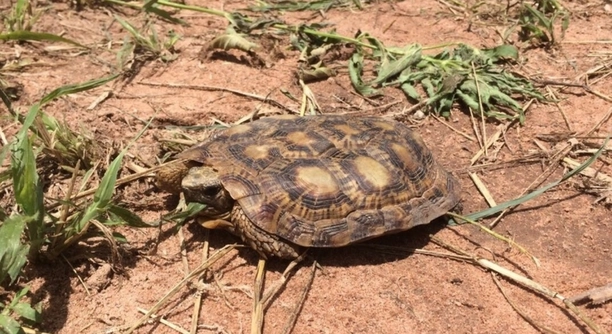
Pancake tortoises are unique reptiles that require a strong shell for protection. Proper nutrition plays a key role in maintaining their health, including the minerals they need for a durable, healthy shell.
A well-balanced diet for pancake tortoises includes several essential minerals, such as calcium, phosphorus, magnesium, and others. These minerals contribute to strong shell development and overall well-being, preventing shell deformities and promoting optimal health.
Understanding which minerals are crucial for their shell growth will help ensure your tortoise stays strong and healthy.
Calcium: The Backbone of a Strong Shell
Calcium is one of the most important minerals for a pancake tortoise’s shell. This mineral helps strengthen the bone structure, ensuring the shell remains hard and durable. Without adequate calcium, a tortoise’s shell may become soft, weak, or prone to injury. This can lead to deformities and even long-term health issues. In the wild, tortoises consume high-calcium plants, but in captivity, calcium supplementation might be necessary. Regularly adding calcium powder to their diet can help prevent deficiencies. You can also offer calcium-rich foods like leafy greens and certain fruits to enhance their intake.
Calcium plays a central role in shell development, particularly in young tortoises. It ensures that their shell grows to be thick and strong, protecting them from external dangers. Keeping a calcium-rich diet will promote better overall health for your tortoise.
Monitoring their calcium intake helps you maintain their well-being and avoid costly health issues. It’s crucial for their growth and protection.
Magnesium: Supporting Shell Integrity
Magnesium works alongside calcium to support the tortoise’s shell. It helps in calcium absorption and regulates the balance of calcium in the body. Without magnesium, calcium might not be effectively utilized, leading to issues like brittle shells or poor bone development.
Magnesium is often found in high-fiber foods like leafy greens, and offering these can provide the right balance of both magnesium and calcium. A healthy mix of both minerals ensures that the shell remains intact and resistant to damage.
Phosphorus: Essential for Shell Growth
Phosphorus plays a crucial role in shell formation. It works closely with calcium, helping to build and maintain the tortoise’s shell structure. Too much or too little phosphorus can affect the absorption of calcium, leading to shell deformities.
Providing the right balance of phosphorus and calcium is key. These two minerals work in tandem, so they must be carefully monitored. An imbalance can result in weak bones, a soft shell, or other health complications. Make sure to include phosphorus-rich foods like meats, seeds, and grains in your tortoise’s diet to support its shell growth.
A healthy phosphorus-to-calcium ratio will ensure your tortoise has a solid, well-developed shell. By feeding them the right foods and supplements, you can promote better overall health and avoid deficiencies that could cause harm. This balance is a foundation for their well-being.
Vitamin D3: Aids Mineral Absorption
Vitamin D3 is essential for helping the tortoise absorb the minerals they need for a healthy shell. Without it, they won’t be able to process calcium and phosphorus properly, leading to bone and shell weakness.
This vitamin is produced naturally through exposure to sunlight. However, if your tortoise is kept indoors, they may require additional supplementation. UVB light sources in their habitat or vitamin D3 supplements can help ensure they get enough of this vital nutrient. Vitamin D3 helps the tortoise metabolize essential minerals, enabling the minerals to strengthen their shell and bones.
Ensuring that your tortoise gets enough Vitamin D3 helps maintain the proper balance of minerals needed for healthy shell growth. It also supports their overall health and helps prevent issues related to weak or malformed shells. Consider supplementing your tortoise’s diet to make sure their needs are met.
Zinc: Important for Shell Strength
Zinc plays a supporting role in maintaining a strong, healthy shell. It contributes to the process of cell division, which helps the tortoise’s shell grow properly. A deficiency can result in slower growth or weaker shell integrity.
Zinc can be found in foods like eggs, leafy greens, and some seeds. Adding these to your tortoise’s diet helps ensure they receive enough of this essential mineral.
Incorporating zinc into your tortoise’s diet is crucial for long-term shell health. This mineral helps maintain shell integrity and supports overall growth.
Iron: Aids in Shell Durability
Iron is important for carrying oxygen throughout your tortoise’s body, which supports the health of its tissues and shell. It contributes to the overall function of red blood cells, ensuring proper circulation and oxygen supply.
Inadequate iron levels can result in poor shell development. Be sure to include iron-rich foods like leafy greens and some fruits to ensure your tortoise receives this essential nutrient. Iron is necessary for creating durable, strong shell structures, as it enhances blood flow and ensures tissues receive adequate oxygen for growth.
FAQ
What are the signs of a mineral deficiency in a pancake tortoise?
A mineral deficiency in a pancake tortoise can be spotted through various signs such as soft, deformed shells, irregular growth, or lethargy. A tortoise may also exhibit changes in appetite or behavior, like eating less or avoiding food. If these symptoms persist, it’s important to examine their diet and consult a veterinarian to determine which mineral they may be lacking.
How can I ensure my tortoise is getting enough calcium?
To ensure your tortoise gets enough calcium, offer foods rich in the mineral, such as leafy greens (like kale and dandelion greens) and calcium supplements. Dusting their food with a calcium powder or providing cuttlebone will help meet their needs. Always make sure they have access to a proper UVB light source, as it’s essential for calcium absorption.
Can I give my tortoise supplements for minerals?
Yes, supplements can be beneficial, especially if you are unsure whether your tortoise’s diet is providing all the necessary nutrients. Calcium and Vitamin D3 supplements are commonly recommended. Be sure to follow the proper dosage instructions and consult with a vet before introducing supplements to ensure you are meeting their needs without overdoing it.
How much sunlight does my tortoise need for proper shell health?
Pancake tortoises need around 12 hours of UVB light exposure daily to maintain proper shell health. UVB light helps them metabolize calcium and Vitamin D3. If natural sunlight isn’t available, using artificial UVB bulbs in their habitat can replicate this exposure. It’s crucial for their overall well-being.
What kind of diet is best for a pancake tortoise’s shell development?
A balanced diet that includes a variety of vegetables, leafy greens, and occasional fruits is key for shell development. Leafy greens like collard greens, turnip greens, and mustard greens should be staples in their diet. Offering calcium-rich foods like clover and dandelion leaves is also important. Avoid high-oxalate foods like spinach, which can interfere with calcium absorption.
How do I know if my tortoise has enough phosphorus?
Phosphorus is often balanced with calcium, so if you’re providing calcium-rich foods, your tortoise is likely getting enough phosphorus. Foods like meats, seeds, and some vegetables are good sources of phosphorus. If you notice slow or irregular shell growth, it may indicate a phosphorus deficiency, and it’s best to consult a vet for advice.
Can a pancake tortoise’s shell heal if it gets damaged?
The shell of a pancake tortoise can heal to some extent if damaged, depending on the severity. Minor cracks may heal over time with proper care and nutrition. However, deep or severe shell injuries may require medical attention, and the tortoise’s overall health and shell strength should be closely monitored during recovery.
What temperature is best for a pancake tortoise’s habitat?
Pancake tortoises thrive in a warm environment. Daytime temperatures should range between 75-85°F (24-29°C), with a basking spot around 90-100°F (32-38°C). Nighttime temperatures should be slightly cooler but should not drop below 65°F (18°C). Maintaining proper temperature is essential for their metabolism, digestion, and overall health.
Do pancake tortoises need a lot of water to stay hydrated?
While pancake tortoises don’t need constant access to water, they do need fresh water available at all times. They will drink water when necessary and may also absorb moisture from foods like leafy greens. It’s important to regularly provide clean, shallow water to ensure they stay hydrated, especially in warm environments.
How can I prevent shell deformities in my pancake tortoise?
Preventing shell deformities starts with providing a balanced diet, adequate UVB light exposure, and a proper temperature range. It’s essential to give your tortoise the right amount of calcium, phosphorus, and other minerals. Regular check-ups with a vet can also help catch any health issues early. Ensuring a stress-free and comfortable environment will promote healthy shell development.
Final Thoughts
Taking care of a pancake tortoise involves paying close attention to its diet, environment, and mineral intake. A proper balance of essential minerals like calcium, phosphorus, and zinc plays a significant role in maintaining a healthy shell. Without the right nutrients, the tortoise’s shell can become weak, deformed, or grow poorly. Therefore, it is crucial to provide a variety of foods that supply these necessary minerals and monitor their health regularly. Using calcium supplements, offering UVB light, and ensuring a clean and safe habitat are all important steps in supporting your tortoise’s overall well-being.
While feeding your tortoise, remember that it’s not just about providing the right minerals. A well-rounded diet that includes fresh vegetables, leafy greens, and occasional fruits is vital for its growth and shell development. Additionally, paying attention to their hydration needs and providing access to clean water will further promote their health. Regularly offering fresh, nutrient-rich foods that are rich in fiber will also support their digestive system and contribute to their energy levels. Monitoring their diet and making adjustments as needed ensures they get the vitamins and minerals necessary for a healthy, thriving tortoise.
In conclusion, a pancake tortoise’s shell health is directly linked to the minerals and nutrients it receives. Proper care, a balanced diet, and environmental factors like UVB light and temperature regulation will ensure a strong, healthy shell. Regular check-ups with a veterinarian can help catch any potential health issues early. By offering the right foods, supplements, and environmental conditions, you can ensure that your pancake tortoise grows strong, stays healthy, and enjoys a long, happy life.

Hello,
If you enjoy the content that we create, please consider saying a "Thank You!" by leaving a tip.
Every little bit helps us continue crafting quality advice that supports the health, happiness, and well-being of pets around the world, for pets of all shapes, sizes, and species.
We really appreciate the kindness and support that you show us!