
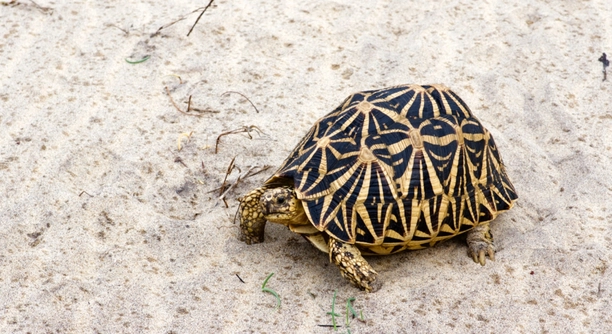
If you are a proud owner of an Indian Star Tortoise, ensuring its health and well-being is essential. Regular health checks are important to keep your tortoise healthy and thriving for years to come.
Routine health checks for your Indian Star Tortoise include monitoring its diet, shell condition, and activity levels. Ensuring proper humidity, temperature, and lighting is crucial for its overall health. Regular vet visits will help detect any potential issues early.
Regular checks can ensure your tortoise enjoys a long, healthy life. Knowing what to look out for and when to seek help can make all the difference.
Monitoring Diet and Hydration
The Indian Star Tortoise thrives on a balanced diet, which is key to maintaining its health. This includes a variety of leafy greens, flowers, and occasional fruits. It is essential to avoid high-protein foods as they can lead to health complications like kidney damage. Hydration is also crucial for the tortoise’s overall well-being. A shallow water dish should always be available for drinking and soaking.
Overfeeding should be avoided. Too much food can lead to obesity, which affects mobility and overall health. A proper balance of calcium, fiber, and vitamins helps maintain a healthy tortoise. Calcium is particularly important for shell health and bone structure, so it’s recommended to dust food with a calcium supplement occasionally.
Regularly check your tortoise’s food intake and hydration levels to ensure they’re receiving the right nutrients. A healthy diet will help prevent a range of illnesses and keep your tortoise happy.
Inspecting Shell Health
The shell is a vital part of a tortoise’s overall health. Cracks, swelling, or soft spots can indicate serious health issues. Regularly check the shell for signs of injury, infection, or improper growth. Keep the tortoise’s environment clean and dry to avoid fungal and bacterial infections.
A clean, dry shell is crucial for preventing damage and disease. Regular maintenance, such as avoiding hard surfaces that could cause injury, is also important. The shell should be firm and smooth, with no signs of malformation. If abnormalities are detected, consult a veterinarian for immediate attention.
Monitoring Activity Levels
Your tortoise’s activity levels are a good indicator of its health. It should be active during the day, exploring and foraging for food. A lack of movement or sluggishness may signal an underlying issue such as a respiratory infection, digestive problems, or improper temperature.
If your tortoise is lethargic or not eating, this could point to environmental stress, such as inadequate temperature or lighting. Be sure to monitor the warmth of the habitat, as the Indian Star Tortoise thrives in temperatures between 85-95°F. If it’s still inactive despite proper conditions, a visit to the vet is recommended to rule out any medical issues.
A sudden change in behavior can be a sign of discomfort or distress. Keeping an eye on their daily movements and overall activity will help catch potential health concerns early.
Ensuring Proper Lighting and Temperature
Correct lighting is essential for your tortoise’s well-being. UVB light, in particular, helps with calcium absorption and overall bone health. Without it, your tortoise can develop shell deformities or metabolic bone disease. Make sure the UVB light is replaced every six months, even if it still appears to be working.
Proper basking areas with temperatures of 90-95°F are necessary for digestion. A cooler area of 75-80°F should also be available for your tortoise to regulate its body temperature. Too high or too low of a temperature can cause stress and digestive issues.
Ensure that the heat source is not too close to the tortoise’s habitat, as this can cause overheating. A thermometer will help you monitor temperature fluctuations in the enclosure. By maintaining the right balance, your tortoise will thrive in a safe, healthy environment.
Regular Vet Check-ups
Regular vet visits are essential for early detection of any health problems. Even if your tortoise seems healthy, a professional check-up ensures that nothing goes unnoticed. A vet can check for parasites, respiratory infections, and more.
A vet visit will also allow you to ask about diet adjustments and habitat changes. By keeping your tortoise on a scheduled check-up routine, you can catch issues before they escalate. Regular vet visits contribute to a longer and healthier life for your tortoise.
Nail and Beak Maintenance
Tortoise nails and beaks naturally wear down with regular movement. However, sometimes they can become overgrown. Overgrown nails can cause discomfort or prevent proper walking, while an overgrown beak can make feeding difficult.
If you notice any issues with your tortoise’s nails or beak, consider trimming them. Make sure to do this carefully, as cutting too far can cause injury. Regular checks will help prevent discomfort and ensure proper growth.
FAQ
How can I tell if my tortoise is sick?
If your tortoise shows signs of lethargy, lack of appetite, or abnormal behavior, it could be unwell. Other signs of sickness include wheezing, nasal discharge, or unusual droppings. If you notice these symptoms, it’s best to consult a vet as soon as possible.
What temperature should my Indian Star Tortoise’s enclosure be?
The ideal temperature for an Indian Star Tortoise’s habitat is between 85°F and 95°F during the day. The tortoise should have a basking area that reaches 90°F to 95°F, and a cooler area of around 75°F to 80°F for regulation.
How often should I feed my Indian Star Tortoise?
Indian Star Tortoises should be fed every day or every other day, depending on their age and activity level. Young tortoises require daily feeding, while adults can be fed every two to three days. Be sure to provide a balanced diet with plenty of greens and limited fruits.
Can I give my tortoise fruit?
Yes, but fruit should only be offered as an occasional treat. Too much fruit can cause digestive issues and may lead to obesity. Stick to leafy greens and other vegetables as the primary food source. Small amounts of fruit like melon or berries are acceptable every few weeks.
What kind of substrate is best for my tortoise’s enclosure?
The best substrate for an Indian Star Tortoise is one that mimics its natural environment. Use a mix of organic soil, coconut coir, or shredded paper. Avoid using sand or gravel, as it may irritate your tortoise’s respiratory system or cause impaction.
Do I need to provide UVB light?
Yes, UVB lighting is crucial for your tortoise’s health. It helps with the production of vitamin D3, which is essential for calcium absorption. Without UVB light, your tortoise could develop metabolic bone disease or shell deformities. Use a high-quality UVB bulb and replace it every 6 months.
How much space does my Indian Star Tortoise need?
An adult Indian Star Tortoise requires a minimum of 40 square feet of space to roam and explore. Young tortoises can live in smaller enclosures, but they will need more space as they grow. Ensure the enclosure is spacious enough to provide exercise and mental stimulation.
Can my tortoise be kept with other animals?
It’s best to house your Indian Star Tortoise alone. Tortoises are territorial and may get stressed or even injured if housed with other species. If you choose to house multiple tortoises together, ensure that there is enough space and that they get along well.
What should I do if my tortoise refuses to eat?
If your tortoise stops eating, check the temperature and humidity levels in its enclosure. Stress, improper diet, or illness can lead to a loss of appetite. A visit to the vet might be necessary if the refusal to eat persists for several days.
How do I know if my tortoise is dehydrated?
Dehydration can cause your tortoise to become lethargic or refuse to eat. You may notice sunken eyes or dry, wrinkled skin. To prevent dehydration, provide a shallow water dish at all times, and soak your tortoise in lukewarm water once or twice a week.
How can I maintain my tortoise’s shell health?
A healthy shell is a reflection of a healthy tortoise. To maintain shell health, ensure your tortoise gets enough calcium and vitamin D3. Provide a proper diet, including leafy greens, and ensure adequate lighting and basking areas. Avoid allowing the tortoise to stay on wet or dirty surfaces for extended periods.
What should I do if my tortoise has a respiratory infection?
Respiratory infections are common in tortoises and are often caused by improper temperature or humidity levels. If you suspect a respiratory infection, look for signs such as wheezing, nasal discharge, or labored breathing. A vet will likely prescribe antibiotics to treat the infection.
Can I let my tortoise roam outside?
Yes, but only in a safe, enclosed area free of predators and hazards. Make sure the ground is suitable for your tortoise to move around, and avoid areas with harsh chemicals or plants that could be toxic. Always supervise outdoor time to prevent escape or injury.
What should I do if my tortoise’s shell gets scratched?
Minor scratches can heal on their own, but it’s important to monitor them for signs of infection. Clean the area with a mild antiseptic and keep it dry. If the scratch becomes infected or doesn’t heal, consult a vet for treatment.
Is it necessary to supplement my tortoise’s diet with calcium?
Yes, calcium supplementation is important, especially for young tortoises or those in captivity. A calcium powder can be sprinkled on their food every few days to ensure proper bone and shell growth. Be cautious not to over-supplement, as excess calcium can cause health problems.
Final Thoughts
Caring for an Indian Star Tortoise requires dedication and attention to detail. From providing the right temperature and lighting to ensuring a proper diet, every aspect of their care plays a crucial role in their health and well-being. By staying consistent with their needs, you can help them live a long and happy life. Regular health checks, proper habitat maintenance, and a balanced diet are some of the most important steps in preventing health issues and promoting a healthy lifestyle.
While it may take time to fully understand your tortoise’s needs, patience is key. Monitoring their behavior, watching for signs of illness, and learning about their natural habitat can go a long way in providing the best care possible. Your tortoise’s diet should consist of a variety of leafy greens, and occasional fruits should only be offered as a treat. It’s also essential to keep their enclosure clean and provide ample space for them to roam and explore. Remember that tortoises are slow and deliberate animals, and their environment should reflect their calm nature.
By investing time into your tortoise’s care, you ensure they have the best chance of thriving in captivity. The information shared here can guide you toward making the right decisions for your Indian Star Tortoise. With proper attention and consistent care, your tortoise can live a long, healthy life, and you will have the satisfaction of knowing you have provided the best possible environment for your pet.

Hello,
If you enjoy the content that we create, please consider saying a "Thank You!" by leaving a tip.
Every little bit helps us continue crafting quality advice that supports the health, happiness, and well-being of pets around the world, for pets of all shapes, sizes, and species.
We really appreciate the kindness and support that you show us!