
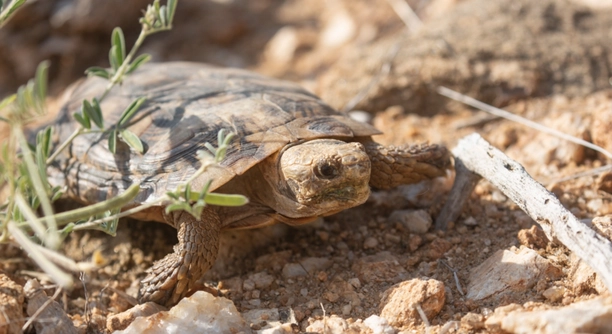
When choosing a tank for your pancake tortoise, there are key factors to consider that ensure their comfort and well-being. Providing the right environment is essential for their health and happiness, so understanding these needs is crucial.
The ideal pancake tortoise tank should have proper ventilation, adequate space, temperature control, and appropriate substrate to replicate their natural habitat. Lighting is also vital, as it promotes healthy shell growth. Ensuring a balance of these elements is critical.
With the right setup, your pancake tortoise will thrive in its new home. Understanding the necessary factors will help you create the perfect environment for them to live happily and healthily.
Proper Tank Size and Space
The tank size for a pancake tortoise should be spacious enough for them to move around and explore. A 40-gallon tank is usually the minimum recommended for a single tortoise. It’s important that they have room to stretch their legs and navigate, as this helps with their mental and physical health. A cramped environment can cause stress and may lead to health issues over time. Larger tanks are also easier to maintain, as they allow for more substrate and hiding spots, which are essential for your tortoise’s comfort.
A larger tank will also allow for better temperature and humidity regulation. By providing ample space, you’re giving your pancake tortoise a proper environment that reduces stress and promotes its well-being.
In addition, the tank should be equipped with hiding places and areas where your tortoise can feel secure. These elements mimic the rocky environments they naturally inhabit. With a well-sized tank, your pancake tortoise can live comfortably and thrive in captivity.
Tank Lighting and Temperature
Temperature control is crucial for a pancake tortoise.
Proper heating allows your tortoise to regulate its body temperature.
Pancake tortoises require a basking spot with a temperature between 95 to 100°F, and the rest of the tank should stay between 75 to 85°F. Using a combination of heat lamps and ceramic heaters ensures that the temperature stays within these ranges throughout the day. You can also monitor this with a thermometer to avoid any fluctuations that may stress your tortoise. Additionally, nighttime temperatures can drop a little but should not go below 70°F. Providing a heat gradient in the tank, with warmer and cooler areas, allows the tortoise to choose its preferred temperature.
UVB lighting is another important element. This helps your tortoise synthesize vitamin D3, which is essential for shell health and calcium absorption. A UVB bulb should be positioned above the basking area and replaced regularly, as the effectiveness of the bulbs reduces over time.
By maintaining the right lighting and temperature, you’re creating a safe, comfortable space for your tortoise to thrive.
Substrate for the Tank
Choosing the right substrate is important for both comfort and health.
A suitable substrate should mimic your tortoise’s natural habitat, so it needs to be dry, absorbent, and easy to clean. Coconut coir, organic soil, or sand are good choices for pancake tortoises. Avoid using substrates that are too dusty, as they can irritate their respiratory system. Coconut coir is popular because it holds moisture well, preventing excessive dryness, while still being easy to spot clean. The substrate should be deep enough to encourage digging, as this is a natural behavior for pancake tortoises.
When setting up the tank, ensure that the substrate covers the bottom evenly. You can also mix different types of substrate to improve texture and moisture retention. Be sure to avoid using materials that could be harmful if ingested, such as large pebbles or non-organic matter. Keeping the substrate dry is essential, so you may need to change it regularly to maintain a clean environment for your tortoise.
Hiding Spots and Enrichment
Pancake tortoises need places to hide and feel secure.
Providing hiding spots is important to reduce stress and ensure that your tortoise feels safe. You can use rocks, logs, or ceramic caves to create these areas.
Hiding spots give your tortoise a place to retreat when it feels threatened or needs to rest. In the wild, they hide under rocks and crevices, so replicating this behavior is essential for their well-being. It’s also important to provide a variety of hides, as this will encourage natural exploration and activity. When setting up the tank, make sure the hides are large enough for your tortoise to move comfortably in and out.
Besides hiding spots, offering enrichment through objects like branches or tunnels will keep your pancake tortoise active. These items not only help mimic their natural habitat, but they also encourage mental stimulation. Regularly rearranging the items or adding new ones will keep your tortoise engaged and reduce boredom.
Tank Maintenance and Cleaning
Regular cleaning helps maintain a healthy environment for your pancake tortoise.
Cleaning the tank every few weeks is essential to prevent the buildup of waste and bacteria. Removing uneaten food, waste, and soiled substrate ensures that your tortoise’s home stays clean and fresh. A simple spot cleaning routine can make deep cleanings easier.
Use a reptile-safe disinfectant when cleaning the tank and accessories. Avoid harsh chemicals, as they can harm your tortoise. You should also replace the substrate periodically, depending on how much waste accumulates. Always rinse off food and water bowls to prevent any mold or bacterial growth.
Water and Hydration
Fresh, clean water should always be available.
Make sure the water bowl is shallow enough for your pancake tortoise to access comfortably without risking drowning. Changing the water daily prevents contamination and encourages proper hydration. Tortoises may also benefit from being lightly misted to maintain humidity levels in the tank.
Feeding and Diet
A balanced diet ensures your pancake tortoise stays healthy.
Offering a variety of vegetables, grasses, and occasional fruits is key. Fresh leafy greens, such as dandelion greens and collard greens, provide the necessary nutrients. You can also feed them calcium-rich foods like cactus pads. Avoid offering high-protein foods or too much fruit, as it can upset their digestion.
FAQ
What temperature should a pancake tortoise’s tank be?
A pancake tortoise’s tank should maintain a temperature gradient, with a basking area ranging from 95 to 100°F. The cooler side of the tank should be between 75 to 85°F. You can use heat lamps and ceramic heaters to maintain this temperature range. Keep a thermometer in the tank to monitor the temperature and ensure it remains consistent throughout the day and night. At night, temperatures should not drop below 70°F.
Do pancake tortoises need UVB light?
Yes, pancake tortoises require UVB light to synthesize vitamin D3, which is vital for their calcium absorption and shell health. Use a UVB bulb positioned above the basking area. Make sure to replace the bulb regularly, as the UVB output diminishes over time.
How often should I feed my pancake tortoise?
Pancake tortoises should be fed daily. Their diet consists primarily of leafy greens like dandelion greens, collard greens, and grasses. Occasional fruits can be offered, but they should not make up a large portion of the diet. Always remove uneaten food after a few hours to prevent mold.
Can pancake tortoises live with other animals?
It’s generally not recommended to house pancake tortoises with other species, as they can become stressed. Keeping them alone ensures they don’t have to compete for space or food. If you wish to house them with another tortoise, ensure that the tank is large enough to provide adequate space for both animals.
How much space does a pancake tortoise need?
Pancake tortoises require a minimum of a 40-gallon tank. A larger tank is even better, as it allows for a more comfortable environment. It should be spacious enough to give them room to roam, dig, and explore. The more space you provide, the less stress your tortoise will experience.
What kind of substrate should I use?
Coconut coir, organic soil, or sand are ideal substrates for pancake tortoises. Avoid using substrates that are dusty, as they can irritate their respiratory system. The substrate should be deep enough to allow for digging, as this is a natural behavior. Ensure the substrate is kept dry and clean.
Can I handle my pancake tortoise?
While it’s possible to handle your pancake tortoise, they tend to be more shy and may not enjoy excessive handling. Always approach gently and allow your tortoise to explore its surroundings on its own terms. When handling, support their body fully to avoid causing stress or injury.
How do I create hiding spots for my tortoise?
Hiding spots can be made from rocks, logs, or ceramic caves. These should provide a secure, quiet space for your tortoise to retreat when it feels threatened or needs rest. Make sure the hides are large enough for your tortoise to move in and out of comfortably.
How often should I clean the tank?
You should spot clean the tank daily by removing waste and uneaten food. Full tank cleanings, where the substrate is replaced and all surfaces disinfected, should be done every few weeks. This ensures a clean, healthy environment and reduces the risk of bacteria buildup.
What should I do if my pancake tortoise isn’t eating?
If your tortoise isn’t eating, check for temperature or humidity issues in the tank. Stress, poor diet, or an inadequate environment can also lead to a lack of appetite. If the problem persists, it’s important to consult a vet to rule out any health concerns.
Is it necessary to add humidity to the tank?
Pancake tortoises do require a certain level of humidity, especially to aid in shedding. You can lightly mist the tank a few times a week to maintain humidity, but avoid making the environment too damp. A humidity level between 50 to 60% is ideal for these tortoises.
Can I feed my pancake tortoise fruits and vegetables from the grocery store?
Yes, but be cautious with pre-packaged fruits and vegetables. Some store-bought options may have chemicals or pesticides, which can harm your tortoise. It’s better to feed them organic, pesticide-free produce whenever possible. Always wash any produce thoroughly before offering it.
How do I provide enrichment for my pancake tortoise?
Enrichment is important to prevent boredom and encourage natural behaviors. Offer branches, logs, and rocks for climbing. You can also provide tunnels or new objects to keep them engaged. Changing the layout of the tank occasionally will keep your tortoise active and mentally stimulated.
How do I know if my pancake tortoise is healthy?
A healthy pancake tortoise will be active, have a shiny, hard shell, and eat regularly. If your tortoise shows signs of lethargy, refuses to eat, or has a soft shell, it could indicate a health issue. In such cases, consult a veterinarian immediately.
Can pancake tortoises live outdoors?
Pancake tortoises are not suited for full-time outdoor living in most climates, as they are sensitive to extreme temperatures. However, they can benefit from supervised outdoor time in a secure, safe enclosure. Always ensure that they have access to shelter, fresh water, and a temperature-controlled environment.
What should I do if my pancake tortoise has trouble shedding?
If your tortoise has difficulty shedding, it may need a little extra humidity. Mist the tank slightly more often and make sure they have access to a proper hide. If shedding issues persist, consider consulting a vet for advice on improving conditions.
Final Thoughts
Caring for a pancake tortoise requires attention to their environment, diet, and overall health. With the right setup, these unique tortoises can thrive in your care for many years. Their tank needs to be large enough to accommodate their movement and provide the right temperature gradient for their basking needs. Regular cleaning and proper humidity levels are also important for maintaining their health and comfort. A balanced diet that includes leafy greens, grasses, and occasional fruits will keep them well-nourished.
Although pancake tortoises are relatively low-maintenance pets compared to others, they do require some special care. They are shy animals that can easily become stressed by constant handling or overcrowded living spaces. It’s essential to keep their environment calm and quiet. Always provide hiding spots for them to retreat to when they need privacy. You should also make sure to monitor their health closely, watching for signs of stress or illness. Consulting a veterinarian when needed will help ensure they live a long, healthy life.
In summary, pancake tortoises can make fascinating and rewarding pets with the right care. Providing them with a spacious, well-maintained tank, proper diet, and attention to their behavior and health will result in a happy and healthy tortoise. Though they may be a bit more reserved than other pets, their unique shell shape and calm demeanor make them worth the effort. Taking the time to understand their needs and meeting them will create a satisfying experience for both you and your pancake tortoise.

Hello,
If you enjoy the content that we create, please consider saying a "Thank You!" by leaving a tip.
Every little bit helps us continue crafting quality advice that supports the health, happiness, and well-being of pets around the world, for pets of all shapes, sizes, and species.
We really appreciate the kindness and support that you show us!