
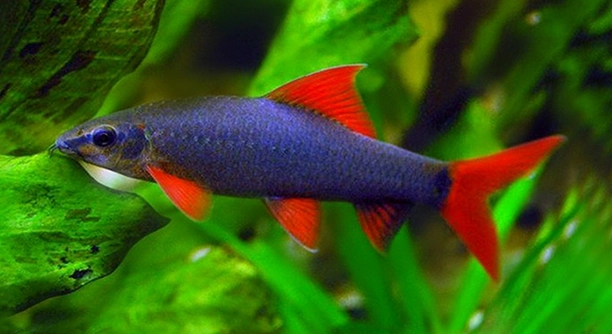
Rainbow sharks are popular freshwater fish known for their vibrant colors and active behavior. Many aquarium enthusiasts enjoy keeping them as pets because they add life and movement to tanks. Proper care is essential for their growth and well-being.
Healthy rainbow shark growth depends on several key factors, including water quality, tank size, diet, temperature, tank mates, stress levels, and regular monitoring. Each element plays a vital role in promoting their physical development and overall health.
Knowing these important factors will help you create a better environment for your rainbow shark and support its long-term vitality. Understanding these basics makes a big difference in fish care.
Water Quality and Filtration
Maintaining good water quality is crucial for rainbow sharks to thrive. These fish are sensitive to toxins like ammonia, nitrites, and nitrates, which build up in an unfiltered or poorly maintained tank. Regular water testing helps detect harmful levels early. Using a reliable filtration system keeps the water clean by removing waste and debris. Partial water changes every week are also necessary to dilute any accumulated pollutants. Clean water supports the fish’s immune system and encourages healthy growth. Without proper water care, rainbow sharks can become stressed, leading to illness or stunted development. A balanced environment with stable water parameters is essential for their well-being and longevity in captivity.
A good filter and weekly water changes are fundamental to keeping your rainbow shark healthy and growing steadily.
It’s helpful to keep a water testing kit on hand and monitor pH, ammonia, nitrite, and nitrate levels regularly. Ideal pH ranges between 6.5 and 7.5, while ammonia and nitrites should always be zero. Nitrate levels should stay below 20 ppm. Ensuring these conditions creates a safe habitat for your fish to flourish.
Proper Tank Size
Rainbow sharks need enough space to swim freely and establish territory. A tank that is too small can cause stress and slow growth. At minimum, a 30-gallon tank is recommended for one rainbow shark. Larger tanks are better if you plan to keep more than one or add other fish species. The extra space reduces aggressive behaviors and provides areas for hiding and exploration. Adequate room promotes natural activity and helps maintain muscle strength, which supports overall health. Crowded conditions lead to poor water quality and increased stress, which negatively impact growth and lifespan.
Choosing the right tank size is a key factor in ensuring your rainbow shark grows well and stays healthy.
When selecting tankmates, avoid overly aggressive or slow-moving fish, as rainbow sharks can be territorial. Decorating the tank with plants, rocks, and caves can offer hiding spots and reduce tension. Keep in mind, maintaining a proper balance between space, companions, and environment will help your rainbow shark thrive.
Balanced Diet and Nutrition
Rainbow sharks require a varied diet to grow healthy and strong. They thrive on high-quality pellets supplemented with live or frozen foods such as bloodworms and brine shrimp. Vegetables like spinach or zucchini also support their dietary needs.
Feeding your rainbow shark a balanced diet ensures they receive all necessary nutrients. Protein-rich foods help with muscle development and coloration, while plant matter aids digestion. Overfeeding can cause water pollution, so feed only what they consume in a few minutes. Providing food two times a day is ideal. Watching their eating habits helps you adjust portions and spot health issues early.
Offering variety in their diet encourages natural foraging behavior and reduces boredom. Rotating food types can improve appetite and nutrition. Avoid low-quality flakes or foods with fillers, as they may harm growth. Fresh, nutrient-dense options keep rainbow sharks active and vibrant over time.
Ideal Water Temperature
Maintaining a stable water temperature between 75°F and 80°F is important for rainbow shark health. Temperature fluctuations stress the fish and may stunt growth or cause illness. A reliable heater helps keep conditions steady.
Rainbow sharks are tropical fish that prefer warm water to support metabolism and immune function. Too cold or too hot water disrupts their internal processes. Monitoring temperature daily ensures it stays within the ideal range. Sudden changes from water changes or room temperature shifts should be avoided. Gradual adjustments protect your fish.
Consistent warmth helps maintain activity levels and feeding behavior. Using a thermometer allows accurate tracking. In cooler climates, an aquarium heater with a thermostat is essential. Avoid placing the tank near drafts or direct sunlight to prevent rapid temperature swings. Proper temperature management fosters healthy growth and longevity.
Stress Management
Stress can negatively affect rainbow shark growth and health. Causes include overcrowding, poor water quality, and aggressive tankmates. Minimizing stress is key to keeping them healthy.
Providing hiding spots and maintaining stable tank conditions helps reduce stress. Avoid sudden changes and limit handling to keep your fish calm.
Compatible Tank Mates
Choosing peaceful and similarly sized fish as tank mates is important. Avoid aggressive or very small species that may be bullied or outcompeted by rainbow sharks.
Proper tank mate selection reduces conflict and stress, allowing your rainbow shark to grow without constant competition or injury.
Regular Monitoring
Keeping a close eye on your rainbow shark’s behavior and appearance helps catch issues early. Look for signs of illness, injury, or abnormal growth patterns.
Routine observation allows timely intervention and helps maintain optimal conditions for healthy growth.
Proper Lighting
Balanced lighting supports natural rhythms and plant growth in the tank. Avoid overly bright or constant light to prevent stress.
A light cycle of about 8-10 hours daily is ideal for rainbow sharks and their environment.
FAQ
How often should I change the water in my rainbow shark tank?
Water changes are essential to keep the environment healthy. Ideally, change 20-25% of the tank water every week. This helps remove toxins that build up and keeps water parameters stable. Regular partial changes are better than infrequent large changes because they prevent sudden shifts that can stress your fish.
What is the best diet for rainbow sharks?
Rainbow sharks need a balanced diet that includes high-quality pellets, supplemented with live or frozen foods like bloodworms or brine shrimp. Vegetables such as spinach or zucchini can be offered occasionally. Feeding two times a day with appropriate portions keeps them healthy and prevents overfeeding, which can pollute the water.
Can rainbow sharks live with other fish?
Yes, but tank mate choice matters. Rainbow sharks are territorial and may become aggressive toward smaller or slow-moving fish. Good companions are peaceful fish of similar size that can handle the shark’s activity level. Avoid aggressive or very small species to reduce stress and injuries.
What tank size is suitable for one rainbow shark?
A minimum of 30 gallons is recommended for a single rainbow shark. This size allows enough swimming space and reduces territorial stress. If you plan to keep multiple rainbow sharks or other fish, a larger tank is necessary to provide ample space and hiding spots.
What water temperature should I keep for my rainbow shark?
Keep the water temperature between 75°F and 80°F. Stable temperatures are important to avoid stress and support healthy metabolism. Use a reliable heater and thermometer to maintain consistent warmth. Avoid placing the tank where it can experience sudden temperature changes.
How can I tell if my rainbow shark is stressed?
Signs of stress include hiding excessively, loss of appetite, rapid breathing, or unusual swimming patterns. Stress can also make them more vulnerable to illness. Maintaining good water quality, proper tank size, and compatible tank mates helps reduce stress.
Is lighting important for rainbow sharks?
Yes, lighting helps maintain natural day-night cycles and supports plant growth in the tank. Provide about 8-10 hours of light daily. Avoid overly bright or continuous lighting, as this can cause stress and disrupt fish behavior.
How long do rainbow sharks typically live?
With proper care, rainbow sharks can live 5 to 8 years in captivity. Good water quality, balanced diet, appropriate tank size, and stress management all contribute to a longer, healthier life.
What should I do if my rainbow shark shows signs of illness?
If you notice symptoms like discoloration, lethargy, or sores, test water parameters immediately. Poor water quality often causes illness. Treat the tank accordingly and isolate the sick fish if necessary. Consulting a vet or experienced fish keeper can help determine the best treatment.
Can I keep more than one rainbow shark in the same tank?
It’s possible but tricky. Rainbow sharks are territorial, especially as they grow. If you want multiple sharks, ensure a large tank with plenty of hiding spots and space to reduce aggression. Monitor their behavior closely to prevent fights.
Taking care of a rainbow shark requires attention to several important factors. From water quality to diet and tank size, each aspect plays a role in the fish’s growth and health. Keeping the water clean with regular changes and a good filter helps prevent illness and supports a strong immune system. Feeding a balanced diet that includes protein and vegetables ensures the fish gets the nutrients it needs. Providing enough space and compatible tank mates reduces stress and promotes natural behavior. When these basic needs are met, rainbow sharks are more likely to grow well and stay healthy over time.
It is also important to maintain stable conditions, such as consistent water temperature and proper lighting. Sudden changes or extremes can cause stress and negatively affect growth. Stress itself is a major factor that can weaken the fish and make it more vulnerable to disease. Watching your rainbow shark regularly and noting any changes in behavior or appearance allows for quick action if problems arise. Creating an environment that feels safe and natural helps the fish feel comfortable and active. Small adjustments, like adding hiding spots or choosing peaceful companions, can make a big difference in the fish’s well-being.
Overall, patience and consistency are key when caring for rainbow sharks. These fish may need time to adjust and settle into their environment. Learning about their specific needs and paying attention to details helps ensure they live a healthy life. While the care requirements are straightforward, giving the rainbow shark a stable, clean, and nourishing environment will reward you with a vibrant, lively pet. The effort put into their care leads to better growth and a more enjoyable aquarium experience.

Hello,
If you enjoy the content that we create, please consider saying a "Thank You!" by leaving a tip.
Every little bit helps us continue crafting quality advice that supports the health, happiness, and well-being of pets around the world, for pets of all shapes, sizes, and species.
We really appreciate the kindness and support that you show us!