
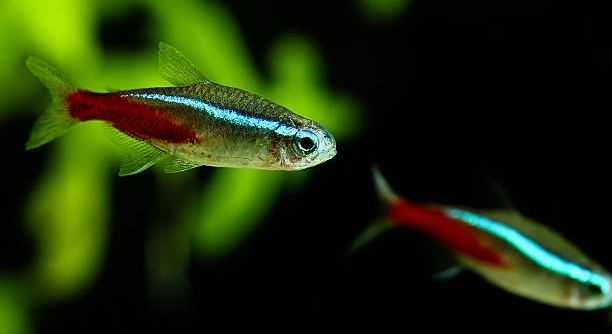
Have you ever brought home a group of tetras, only to feel unsure if your tank is fully ready for them? New tanks can be tricky, especially when you’re setting things up for the first time.
There are seven key checks every new tetra tank should go through to ensure a stable and healthy environment. These include water parameters, temperature control, proper cycling, filtration, lighting, substrate setup, and decor placement.
Each step plays a role in helping your tetras adjust and stay healthy. Learning what to watch for now can help prevent future problems in your tank.
Check Your Water Parameters First
Setting up a tetra tank means paying close attention to water quality. Tetras are sensitive to changes in their environment, so it’s important to test for ammonia, nitrite, nitrate, pH, and hardness. Use a liquid test kit instead of strips for more accurate readings. Tetras prefer slightly acidic to neutral water, usually with a pH between 6.5 and 7.5. Ammonia and nitrite should always read zero, while nitrate should stay below 40 ppm. Adjust your tap water if needed by using conditioners or adding driftwood to lower pH. Make small changes slowly to avoid shocking your fish. Stable water conditions help reduce stress and illness. It’s best to test your water regularly—ideally every few days in a new tank. Doing this early makes it easier to catch problems before they affect your fish.
Keeping your water balanced from the start gives your tetras a better chance to thrive and feel safe.
Routine testing builds confidence and helps you understand how your tank behaves. If a level shifts, you’ll notice it early. As you settle into the habit, it becomes easier to keep your tank stable. This way, you can focus on enjoying your tetras instead of fixing avoidable problems.
Make Sure the Tank Is Fully Cycled
Cycling is a process where beneficial bacteria grow to break down fish waste into less harmful substances.
This is one of the most important steps before adding tetras. A fully cycled tank has enough bacteria to handle the waste your fish will produce. Without this, toxins like ammonia and nitrite build up quickly, which can harm or kill fish. To cycle your tank, you can use bottled bacteria or add a small amount of fish food daily to build up waste. The bacteria grow on your filter media and in your substrate. You’ll know your tank is ready when both ammonia and nitrite read zero, and nitrate shows a safe level. This process usually takes a few weeks, but it’s worth the wait. Never rush this step or skip testing during the cycle. Once your tank is cycled, you can start adding tetras slowly—just a few at a time—so the bacteria can adjust to the added waste.
Maintain a Stable Temperature
Tetras need stable water temperatures to stay healthy. Sudden changes can cause stress or illness. Keep your tank between 74°F and 80°F using a reliable heater and thermometer. Avoid placing your tank near windows or vents.
Use a digital thermometer to check the temperature daily. Even if the heater has a built-in thermostat, it’s good to double-check. Some rooms get cooler at night, so make sure your heater can handle small drops without overcorrecting. Avoid letting the water fluctuate more than two degrees in a short time. If your home has big temperature swings, consider using an external controller with your heater. Tetras are more active and colorful when their water stays warm and steady. If you need to adjust the heat, do it slowly—about one degree per hour. Fast changes, even if minor, can cause shock.
During colder seasons, pay extra attention to how your tank feels throughout the day. Heaters sometimes struggle if the room gets very cold overnight, especially in larger tanks. In summer, your tank may get too warm, especially with lights running all day. If it ever goes above 82°F, reduce the light duration or use a fan to cool the water. Always keep backup equipment on hand in case your heater fails.
Use a Proper Filter
A good filter keeps the tank clean and helps healthy bacteria grow. Tetras don’t like strong currents, so choose a filter that provides gentle flow. Sponge filters or adjustable hang-on-back models work well for small tanks.
Besides cleaning debris, filters are important because they support your tank’s biological balance. They hold bacteria that process fish waste, keeping ammonia and nitrite at safe levels. A sponge filter is gentle and quiet, while a hang-on-back filter offers more power and can hold extra media. Whichever type you choose, avoid cleaning it with untreated tap water, as this can kill beneficial bacteria. Rinse the filter sponge or cartridge in tank water during water changes. Clean filters every two to four weeks, depending on how dirty they get. Check for clogs regularly so water can flow freely. Tetras prefer calm water, so always adjust the flow if it looks too strong for them.
Set Up the Right Lighting
Tetras do well with soft, steady lighting. Too much brightness can stress them, while too little affects their colors and behavior. Use a light that mimics natural daylight, and keep it on for 8 to 10 hours a day.
If the light is too strong, add floating plants or adjust the brightness setting. Some tetras hide more when exposed to harsh lighting. Timers help keep the schedule consistent, which tetras prefer. Avoid sudden changes in lighting, as this can startle them and lead to stress-related illness.
Choose the Right Substrate and Decorations
A dark-colored substrate helps tetras feel more comfortable and enhances their natural colors. Smooth gravel or sand works well and is easy to clean. Add plants, driftwood, and rocks to provide shelter. Tetras enjoy swimming through open space but also like places to hide when they feel unsure.
Avoid Overcrowding
Too many fish in one tank leads to poor water quality and stress. Tetras are social but still need room to swim. Keep your group small enough for your tank’s size, and always research the recommended space for each tetra.
FAQ
How many tetras can I keep in a 10-gallon tank?
You can keep about 6 to 8 small tetras in a 10-gallon tank. Tetras are schooling fish, so they feel more secure in groups of six or more. However, you also need to consider filtration, swimming space, and how often you plan to do water changes. If the tank is heavily planted and well-filtered, 8 small tetras may be fine, but always monitor water parameters. If you’re new to fishkeeping, starting with 6 tetras allows more room for error and gives them space to swim without crowding.
How often should I feed my tetras?
Feed your tetras once or twice a day. Give them only what they can finish in about two minutes. Overfeeding can lead to poor water quality, so it’s better to underfeed slightly than overfeed. If you’re feeding twice a day, use smaller amounts. Tetras enjoy a mix of flakes, micro-pellets, and the occasional treat like frozen or freeze-dried bloodworms. Avoid feeding them the same food every day to keep them interested and healthy. Remove any uneaten food after feeding to keep the water clean.
Do tetras need an air pump?
Tetras don’t always need an air pump if your filter creates enough surface movement for gas exchange. If your tank looks calm and your fish are active and breathing normally, you likely don’t need one. However, if your water feels too still or you see tetras gasping at the surface, an air pump can help. Sponge filters run on air pumps, so if you’re using one, that doubles as your aeration. In very warm tanks, oxygen levels drop faster, so an air pump may be helpful during hot weather.
Can tetras live with other fish?
Yes, tetras are peaceful and usually do well with other small, calm fish. Good tank mates include rasboras, small corydoras, dwarf gouramis, and shrimp. Avoid aggressive or much larger fish, as tetras can get stressed or bullied. When mixing species, make sure all your fish prefer similar water conditions and temperatures. Also, make sure your tank is big enough to support all of them comfortably. Even peaceful fish can become territorial in tight spaces, so leave plenty of open swimming room and hiding spots for everyone.
Why are my tetras hiding all the time?
Tetras often hide when they’re stressed, especially in a new tank. Common causes include poor water quality, sudden temperature changes, strong lighting, or loud noise nearby. They also hide if the group is too small or if they feel exposed. Adding more plants, using a darker substrate, or increasing their group size usually helps. Always check your water parameters and make slow changes if needed. Once they feel safe, they’ll start swimming around more confidently and show their usual active behavior.
What temperature is too cold for tetras?
Anything below 72°F is too cold for most tetras. While they may survive for a short time at lower temperatures, it weakens their immune systems and slows their activity. Extended exposure to cold can lead to illness or death. Use a heater to keep the water in the safe range of 74°F to 80°F. Check the temperature daily, especially in winter, to avoid any unexpected drops. A stable and warm environment helps your tetras stay healthy, colorful, and active.
How do I know if my tank is cycled?
Your tank is cycled when ammonia and nitrite consistently test at zero and nitrate is present at a safe level (under 40 ppm). You can confirm this by testing your water over a few days without doing a water change. If the results stay stable, the cycle is complete. If ammonia or nitrite still shows up, wait and test again later. Never add fish before the cycle is done. A cycled tank creates a safer home and makes long-term care easier.
Do I need to vacuum the gravel in a tetra tank?
Yes, gravel vacuuming helps remove waste, leftover food, and decaying plant matter that builds up over time. Even if you can’t see much debris, it collects quickly in the substrate and affects water quality. Aim to vacuum during your regular water changes, about once a week. Focus on the dirtiest spots and don’t stir up the whole tank at once. In planted tanks, be gentle around roots. Regular cleaning keeps the water clearer, reduces stress, and makes your tetras more active and comfortable.
Final Thoughts
Starting a new tetra tank takes planning, patience, and regular care. These small fish are peaceful, colorful, and active when they are kept in the right conditions. By taking the time to check each part of the setup—water quality, temperature, tank size, and filtration—you create a space that keeps them healthy. It may seem like a lot at first, but these steps quickly become part of a simple routine. Once your tank is stable, your tetras will show their natural behaviors, and you’ll be able to enjoy watching them swim, school, and interact with their surroundings.
It’s normal to make small mistakes when starting out, but staying consistent helps avoid bigger problems. Regular testing and small water changes are often enough to keep things on track. When something feels off, like if your fish start hiding or the water becomes cloudy, there’s usually a clear reason behind it. Checking your equipment, doing a water test, and reviewing recent changes in the tank can often point you in the right direction. Learning how your tank works helps you react calmly and make better choices. The more time you spend caring for your tetras, the easier it becomes to notice when something is off and fix it before it gets worse.
Keeping tetras is rewarding when the tank is well-managed. These fish are sensitive but not difficult to care for if you follow the basics. Clean water, a safe setup, and a peaceful environment are the most important parts. Tetras do best in groups and enjoy swimming in open areas with plants and shelter. Once your tank is fully cycled and your fish are settled in, maintenance becomes simple. Many people find tank care relaxing and enjoy watching the fish during quiet moments. With time, you’ll learn more about their habits and what they like. Whether you’re just starting out or returning to fishkeeping, creating a healthy space for tetras can be both calming and fulfilling.

Hello,
If you enjoy the content that we create, please consider saying a "Thank You!" by leaving a tip.
Every little bit helps us continue crafting quality advice that supports the health, happiness, and well-being of pets around the world, for pets of all shapes, sizes, and species.
We really appreciate the kindness and support that you show us!