
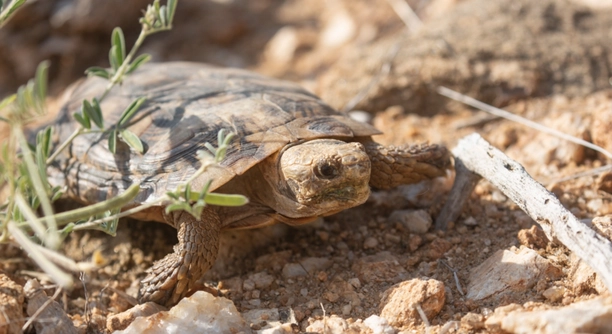
Pancake tortoises are fascinating creatures with unique needs as they age. Senior tortoises require extra care to ensure their health and well-being. With a few essential tips, you can provide a comfortable and enriching life for your aging pancake tortoise.
Caring for a senior pancake tortoise involves providing proper nutrition, ensuring a suitable habitat, and monitoring health closely. Regular check-ups with a vet are important to address potential age-related issues, such as slower metabolism or joint stiffness.
Maintaining a balanced diet, proper living conditions, and regular health checks will support your tortoise’s longevity and comfort.
Creating a Comfortable Habitat for Your Senior Pancake Tortoise
As pancake tortoises age, their habitat needs may change. It’s important to create a space that mimics their natural environment while also accounting for their unique needs. Older tortoises may have a slower metabolism and reduced mobility, so providing areas where they can easily move around is key. A spacious enclosure with access to both warm and cool areas allows them to regulate their body temperature effectively. It’s also a good idea to include hideouts or shelters where they can retreat when they feel the need for privacy or rest. The surface of the enclosure should have smooth, gentle terrain to avoid any strain on their joints.
You’ll also want to ensure the humidity levels are correct. Pancake tortoises thrive in moderate humidity, which supports their skin and breathing. A balanced environment will help your tortoise feel comfortable and secure in its surroundings.
Proper enclosure design plays a big role in making sure your tortoise feels at home. Regular monitoring of temperature and humidity levels is vital for their well-being.
Nutrition and Hydration for Senior Pancake Tortoises
For senior pancake tortoises, diet adjustments are necessary. A varied diet that includes leafy greens, grasses, and some fruits will keep them nourished. You should also provide a calcium supplement to support their bones, especially as they age. Fresh water should always be available, and soaking your tortoise in shallow water once a week can encourage hydration and prevent any possible dehydration.
As your tortoise ages, its digestion might slow down. Offering smaller portions of food throughout the day ensures they get enough nutrients without overloading their system. The food should be clean and free of pesticides to avoid any unnecessary health risks.
A balanced diet can also improve their overall quality of life. Ensure the food provided is appropriate for their changing needs to avoid complications.
Regular Health Checks
Taking your senior pancake tortoise to the vet regularly is essential. Age brings a higher chance of health issues, such as arthritis or respiratory problems. Annual check-ups allow for early detection of any conditions. Regular visits will ensure your tortoise remains in good health.
Routine health checks can help prevent serious complications. A veterinarian will assess the tortoise’s overall condition, checking for signs of illness or discomfort. It’s also an opportunity to review their diet and living conditions, ensuring they are ideal for an aging tortoise. Addressing problems early can avoid prolonged suffering.
A vet can offer specialized advice based on your tortoise’s age and health. Whether it’s adjusting their diet or suggesting new enrichment activities, professional input ensures your senior tortoise remains as healthy and comfortable as possible.
Appropriate Temperature Control
Temperature regulation is vital for senior pancake tortoises. As they age, they may have more difficulty controlling their body temperature. Maintaining a range of temperatures in their enclosure allows them to move between warmer and cooler areas, helping them regulate.
It’s important to monitor the heat source closely. Senior tortoises need slightly lower temperatures than younger ones, as too much heat can cause stress. A temperature gradient from 85°F to 95°F works well, with cooler areas around 75°F. Proper control helps prevent issues like dehydration or lethargy.
You can use thermostats and thermometers to maintain these temperatures consistently. A heat lamp for basking areas and an under-tank heater for cooler zones can help create the right conditions. Ensure that there’s a temperature shift throughout the enclosure to meet their needs.
Providing Proper Lighting
Proper lighting is crucial for senior pancake tortoises. They need both UVB and UVA light to help them absorb calcium and stay healthy. UVB light is especially important for older tortoises, as it aids in vitamin D3 production.
A good UVB light should be placed above the basking area, ensuring that it’s not too far from your tortoise. The light should be replaced every six months as it loses effectiveness over time. Ensuring they get exposure to natural sunlight a few times a week also helps boost their well-being.
This lighting setup prevents metabolic bone disease and supports their overall health. Without adequate lighting, senior pancake tortoises can face issues like weakened bones and a lack of energy. Proper lighting helps maintain their active lifestyle and supports their health as they age.
Limiting Stress
Stress can be harmful to senior pancake tortoises. As they age, they become more sensitive to environmental changes. A quiet, stable habitat with minimal disturbances is essential to avoid unnecessary stress.
Ensure that the enclosure is in a calm area of your home, away from loud noises and sudden temperature shifts. It’s also crucial to limit handling, as excessive interaction can be stressful. Always provide a hiding spot for them to retreat to when they need privacy or rest.
FAQ
What are the signs of aging in a pancake tortoise?
As pancake tortoises age, they may experience slower movements, changes in their shell, and decreased activity levels. Their appetite may also decrease, and they may have trouble digesting food. Senior tortoises might show signs of joint stiffness or difficulty climbing, as well as changes in their behavior, such as becoming more reclusive or less interactive. Monitoring their weight and general condition regularly will help identify any changes linked to aging.
How often should I feed my senior pancake tortoise?
Senior pancake tortoises benefit from smaller, more frequent meals rather than large, infrequent ones. You should provide fresh food daily, including leafy greens, grasses, and a small amount of fruit. Since older tortoises may have slower digestion, it’s a good idea to split meals into two or three smaller portions throughout the day. Monitor their food intake and adjust based on their appetite.
Can my senior pancake tortoise live with other animals?
While pancake tortoises are typically peaceful, it’s best to keep them in an enclosure separate from other animals. Senior tortoises may have reduced energy or mobility, making them more vulnerable to stress or injury from other animals. If you plan to house them with others, ensure that the other animals are calm and non-aggressive.
How can I keep my senior pancake tortoise hydrated?
Dehydration can be an issue for aging tortoises. Always provide fresh water in a shallow dish, ensuring it’s easy for them to access. You can also soak your tortoise in lukewarm water once a week to encourage hydration. Soaking helps to keep their skin moist and their digestive system functioning properly.
Should I supplement my senior pancake tortoise’s diet with calcium?
Yes, calcium supplements are important for senior pancake tortoises. As they age, their bones become more fragile, and calcium is essential for maintaining bone health. A calcium supplement, dusted lightly on their food, is usually sufficient. Ensure that the supplement doesn’t contain phosphorus, as an imbalance can cause health issues.
How can I tell if my senior pancake tortoise is in pain?
Signs of pain in senior pancake tortoises include changes in behavior, such as decreased activity, refusal to eat, or excessive hiding. They may also appear lethargic or have trouble moving. If your tortoise seems to be in discomfort, it’s important to consult a vet who specializes in reptiles. They can assess the situation and recommend a treatment plan.
Is it okay to let my senior pancake tortoise roam outside?
It can be beneficial for your senior pancake tortoise to spend time outdoors, as long as the environment is safe. Make sure the area is secure, free from predators, and has the proper temperature and humidity levels. Outdoor time can provide them with natural sunlight and a chance to forage, which can be enriching. However, always supervise them closely to ensure their safety.
How can I make my senior pancake tortoise’s habitat more comfortable?
To make your senior pancake tortoise’s habitat more comfortable, ensure it has plenty of space to move around. Add gentle slopes or platforms to help them climb, as they may have difficulty with more extreme terrain. The substrate should be soft and non-abrasive to avoid irritation to their skin and shell. Provide hideouts for them to retreat to when needed, and ensure there are areas with both warm and cool temperatures.
What temperature should I maintain for my senior pancake tortoise?
For senior pancake tortoises, maintaining a temperature gradient is important. The basking area should be around 90-95°F, while cooler areas should stay around 75-80°F. At night, temperatures can drop slightly, but they should never fall below 70°F. These temperatures allow the tortoise to regulate its body temperature and avoid stress.
How do I keep my senior pancake tortoise mentally stimulated?
Mental stimulation is important for senior pancake tortoises. You can add variety to their environment by providing different types of food, adding new objects to their enclosure, or offering safe places to explore. Hiding food or placing it in different areas of the enclosure encourages foraging behaviors and keeps them mentally engaged. Regular, gentle interaction and safe outdoor time can also provide mental enrichment.
Final Thoughts
Caring for a senior pancake tortoise requires attention to their unique needs as they age. Unlike younger tortoises, older ones may face health challenges that demand more care. Regular veterinary visits are crucial for early detection of issues. Monitoring their diet, hydration, and physical activity can help manage their health and ensure they remain comfortable. It is important to create an environment that supports their slower pace and limited mobility. A stable, stress-free habitat will help maintain their well-being.
As they grow older, senior pancake tortoises may require adjustments in their diet and lighting. Providing proper UVB and UVA lighting supports their overall health, ensuring they can absorb calcium efficiently. Their food should include a variety of leafy greens, vegetables, and occasional fruits, but portions should be controlled to prevent weight gain. Calcium supplements can support bone health, as older tortoises are more vulnerable to conditions like metabolic bone disease. Hydration is another critical aspect that should not be overlooked. Regular water soaks can help maintain hydration and prevent dehydration.
Understanding their changing behavior and adapting their living conditions is key. A senior pancake tortoise may become less active or more reclusive. These changes are natural, but it’s important to provide them with plenty of opportunities to rest and explore in a safe environment. Offering quiet, calm surroundings without sudden disturbances can help them feel secure. A well-maintained enclosure, proper diet, and consistent health checks will ensure your senior pancake tortoise remains comfortable as they age. Taking these steps will help your tortoise live a fulfilling life well into their senior years.

Hello,
If you enjoy the content that we create, please consider saying a "Thank You!" by leaving a tip.
Every little bit helps us continue crafting quality advice that supports the health, happiness, and well-being of pets around the world, for pets of all shapes, sizes, and species.
We really appreciate the kindness and support that you show us!