
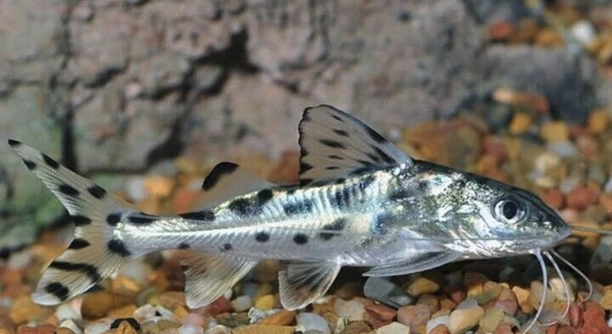
Many factors in the environment can influence a pictus catfish’s mood and behavior. These aquatic creatures are sensitive to changes around them, which can affect their overall well-being. Understanding these triggers helps in creating a better habitat for them.
Environmental triggers such as water temperature, lighting, water quality, tank decorations, noise levels, tank mates, and feeding routines play a significant role in shaping the mood of pictus catfish. Each factor can cause stress or comfort, impacting their health and activity levels.
Recognizing these triggers is essential for maintaining a balanced and healthy environment. This article explores the key factors affecting pictus mood and how they interact with their surroundings.
Water Temperature
Maintaining a stable water temperature is crucial for pictus catfish. These fish thrive best in temperatures between 75°F and 80°F (24°C to 27°C). Sudden temperature changes can cause stress, making them less active or more aggressive. Consistent temperature helps support their immune system and overall mood. When the water gets too cold or too warm, pictus may become lethargic or show signs of distress. Using a reliable heater and thermometer ensures the environment stays within the ideal range. Temperature fluctuations also affect oxygen levels in the water, which directly impacts their comfort and behavior. Keeping a regular check on water temperature is an easy way to help pictus feel secure and healthy. A steady, warm environment supports their natural activity and reduces unnecessary stress.
Water temperature is one of the most important environmental factors for pictus mood. Keeping it stable helps prevent stress and health issues.
Controlling water temperature creates a comfortable space where pictus catfish can swim freely. It encourages natural behavior and reduces the risk of disease. Avoid placing the tank near windows or vents where temperatures can change suddenly. Gradual adjustments are best if temperature changes are needed. This simple step goes a long way in maintaining a peaceful and active pictus catfish. Regular monitoring ensures they stay within their comfort zone and remain vibrant.
Lighting Conditions
Proper lighting influences pictus mood significantly. Too much light can make them shy or hide, while too little light may cause inactivity.
Pictus catfish prefer dim or moderate lighting that mimics their natural habitat. Bright lights can cause stress and disrupt their daily routine. Using adjustable lighting or adding floating plants can help create shaded areas. A consistent light schedule helps regulate their internal clock. This promotes healthy feeding and resting behaviors, contributing to better mood and energy. Light that is too harsh may also encourage aggressive behavior. A balanced lighting setup supports calm and natural activity, making pictus more comfortable in their environment. Adjusting lighting to meet their needs improves their overall well-being.
Water Quality
Clean water is essential for pictus catfish mood and health. Poor water quality causes stress and can lead to illness quickly.
Maintaining water quality means regular water changes and testing for ammonia, nitrites, and nitrates. High levels of these chemicals harm pictus by irritating their gills and weakening their immune system. Using a good filtration system and avoiding overfeeding reduces waste buildup. It’s important to keep water parameters stable and within safe ranges. When water quality declines, pictus become less active and may hide more often, showing signs of discomfort. Clear, well-oxygenated water supports their natural behavior and keeps them lively.
Using water conditioners to remove chlorine and chloramines is helpful. Also, monitoring pH levels to stay near neutral (6.5–7.5) creates a comfortable environment. Regular cleaning of the tank and substrate prevents toxic buildup. Consistency in water quality maintenance is key to a happier, healthier pictus catfish.
Tank Decorations and Space
Tank decorations affect pictus catfish mood by providing hiding spots and places to explore. They feel safer with proper shelter.
Choosing smooth, non-toxic decorations is important to avoid injuries. Pictus enjoy plants, rocks, and driftwood that create natural hiding areas. Overcrowding the tank with decorations can limit swimming space and cause stress. Providing enough open water allows them to swim actively and exhibit natural behavior. Decorations that mimic their natural habitat help reduce anxiety and promote calmness. Balance between shelter and open space is essential for their comfort.
The size of the tank matters too. A minimum of 30 gallons gives pictus enough room to move freely. Crowded or small tanks increase stress and aggressive behaviors. Proper space combined with thoughtful decoration creates a stable environment, improving their mood and health over time.
Noise Levels
Loud noises and vibrations can upset pictus catfish. They prefer a calm and quiet environment to feel secure.
Sudden noises or constant loud sounds cause stress and may make pictus hide or act nervously. Keeping the tank away from busy areas helps maintain peace.
Tank Mates
Pictus catfish do best with peaceful tank mates. Aggressive or overly active fish can cause stress and disturb their mood.
Choosing compatible species helps maintain a harmonious tank. Avoid overcrowding to reduce tension and allow pictus enough space to swim and rest comfortably.
Feeding Routine
Consistent feeding schedules support a stable mood in pictus catfish. Irregular feeding can cause anxiety or irritability.
Providing balanced nutrition at regular times encourages healthy behavior and keeps pictus active. Avoid overfeeding to prevent water quality issues.
FAQ
How do I know if my pictus catfish is stressed?
Stress in pictus catfish often shows through changes in behavior. They may hide more than usual, swim erratically, or become less active. Loss of appetite and dull coloration are also signs. Watching for these changes helps catch problems early, allowing for quick adjustments to their environment.
What is the ideal water temperature for pictus catfish?
The best water temperature range is between 75°F and 80°F (24°C to 27°C). Staying within this range keeps them comfortable and reduces stress. Sudden changes outside this range can cause lethargy or aggressive behavior, so keeping a stable temperature is key.
How often should I clean the tank to maintain water quality?
Perform partial water changes of 20–25% weekly or biweekly, depending on tank size and stocking levels. Regular cleaning prevents buildup of harmful toxins like ammonia and nitrites. Testing water parameters helps determine when cleaning is necessary.
Can pictus catfish live with other fish?
Yes, but they do best with peaceful species that won’t bother them. Avoid aggressive or very territorial fish, as this can cause stress. Ideal tank mates include tetras, rasboras, and other calm community fish.
What kind of tank decorations do pictus prefer?
They prefer smooth rocks, driftwood, and plants that offer hiding spots. Avoid sharp or rough decorations that could injure them. Providing both shaded areas and open swimming space helps balance security and activity.
How important is lighting for pictus catfish?
Lighting should be moderate or dim to mimic their natural environment. Bright lighting can stress them and cause hiding. Using adjustable lights or floating plants can create shaded areas and reduce stress.
What should I feed my pictus catfish?
Pictus are omnivores and do well on a varied diet including sinking pellets, frozen or live foods like bloodworms and brine shrimp. Feeding small amounts twice daily helps maintain good health without overfeeding.
Why does my pictus catfish hide all the time?
Hiding often indicates stress or discomfort. It can be due to poor water quality, bright lights, or aggressive tank mates. Ensuring a calm environment with adequate hiding spaces and proper water conditions can reduce hiding behavior.
Can water changes affect pictus mood?
Yes, sudden or large water changes can stress pictus catfish. It’s best to do gradual changes and match temperature and pH to the tank’s existing water. This minimizes shock and helps maintain a stable mood.
What causes pictus catfish to be inactive?
Inactivity can be due to poor water quality, incorrect temperature, or lack of stimulation. It may also indicate illness or stress. Regular water testing, stable temperature, and environmental enrichment promote activity and well-being.
Maintaining a healthy environment for pictus catfish is essential to keep them comfortable and active. Paying attention to factors such as water temperature, water quality, lighting, and tank decorations helps reduce stress and supports their natural behavior. Each of these elements plays a key role in shaping the mood and overall health of pictus catfish. Consistency in care and creating a stable environment will encourage them to thrive.
Stress can come from many different sources in their environment. Loud noises, aggressive tank mates, or poor feeding routines can affect their mood negatively. It is important to observe their behavior regularly to notice any changes that could indicate discomfort. Taking timely action, like adjusting tank conditions or changing tank mates, helps prevent long-term health problems. A calm, balanced environment allows pictus catfish to feel secure and show their natural activity.
Understanding these environmental triggers is important for anyone caring for pictus catfish. Small changes can have a big impact on their well-being. Being aware of their needs and responding accordingly ensures they live a healthier and happier life in the aquarium. Proper care is not only about keeping water clean but also about creating an environment where pictus catfish feel safe and at ease every day.

Hello,
If you enjoy the content that we create, please consider saying a "Thank You!" by leaving a tip.
Every little bit helps us continue crafting quality advice that supports the health, happiness, and well-being of pets around the world, for pets of all shapes, sizes, and species.
We really appreciate the kindness and support that you show us!