
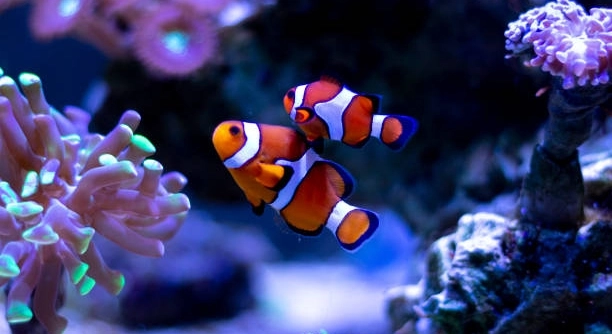
Clownfish are small, colorful fish that live in coral reefs. They play an important role in their ecosystem, but recent changes in the environment have started to affect them. Understanding these changes helps us protect clownfish and their homes.
Seven major environmental shifts disrupt clownfish populations. These include rising ocean temperatures, ocean acidification, pollution, habitat loss, changes in sea currents, increased predators, and coral bleaching. Each factor contributes to stress on clownfish survival and reproduction.
These shifts impact not only clownfish but also the larger reef environment. Knowing more about these changes allows for better conservation efforts and helps maintain the delicate balance of ocean life.
Rising Ocean Temperatures
Ocean temperatures have steadily increased due to climate change. This rise affects clownfish by altering their breeding cycles and reducing the availability of their food sources. Warmer water also stresses the coral reefs where clownfish live, making it harder for them to find shelter. Prolonged heat can lead to coral bleaching, which destroys the habitats clownfish depend on. Without healthy reefs, clownfish populations struggle to survive and reproduce.
Higher temperatures can also cause changes in clownfish behavior. For example, they may become more aggressive or less likely to care for their young. These effects reduce the overall health of the population. Additionally, temperature changes can impact other species within the reef, creating further imbalance in the ecosystem.
Understanding the direct effects of rising temperatures on clownfish emphasizes the need for climate action. Protecting the reefs requires reducing greenhouse gas emissions and supporting marine conservation. This helps maintain stable environments essential for clownfish survival.
Ocean Acidification
Ocean acidification results from increased carbon dioxide dissolving into seawater. This process lowers the water’s pH, making it more acidic. Acidic conditions weaken coral skeletons and slow their growth, which diminishes the reef structures clownfish rely on for shelter and protection.
Clownfish also face difficulties with their sensory abilities. Acidic water interferes with their ability to detect predators and navigate their environment. This leads to higher risks of predation and disorientation.
Efforts to reduce carbon emissions are critical to slowing ocean acidification. Protecting coral reefs through marine reserves and pollution control helps clownfish maintain safer habitats despite these changes.
Pollution and Habitat Loss
Pollution from chemicals, plastics, and runoff creates unhealthy conditions for clownfish and coral reefs. These pollutants poison marine life and smother coral, reducing available habitat. Habitat loss occurs when reefs are physically damaged by human activities like fishing, construction, and tourism.
The combination of pollution and habitat destruction results in fewer places for clownfish to live and breed. This threatens their long-term survival and the overall biodiversity of reef ecosystems.
Pollution impacts clownfish directly and indirectly by degrading water quality and reducing the reef’s resilience. Coral reefs can take decades to recover from damage, making prevention crucial. Actions such as reducing plastic waste and regulating coastal development help protect these environments. Community involvement in reef cleanups and awareness campaigns can also lessen pollution effects and support clownfish populations.
Changes in Sea Currents
Sea currents influence the distribution of nutrients and larvae in the ocean. Changes in these currents can disrupt clownfish feeding and breeding patterns. Altered currents may also affect the movement of clownfish larvae, making it harder for them to settle in suitable habitats.
When currents shift, the balance of the reef ecosystem is affected. Clownfish depend on currents to bring plankton and other food sources. If currents slow or change direction, food availability declines, which stresses clownfish populations. Additionally, larvae drifting too far from reefs face greater survival challenges, reducing future population growth. These changes require ongoing study to understand long-term effects on clownfish.
Efforts to monitor ocean currents help predict environmental changes. Protecting reef areas that are less affected by current shifts can support clownfish survival. Combining this with climate action can reduce further disruptions caused by changing sea currents.
Increased Predators
The rise in predator numbers affects clownfish survival rates. Changes in the environment can boost predator populations or bring new threats into clownfish habitats. This increased pressure forces clownfish to adapt or face higher risks of being eaten.
Predators such as larger fish and invertebrates hunt clownfish more actively when their natural prey becomes scarce due to environmental stress. Habitat damage also limits places where clownfish can hide. This reduces their chances of escaping predators. The balance between predator and prey is delicate; when disrupted, it harms clownfish populations significantly.
Protection measures like creating marine protected areas help manage predator impacts by preserving healthy reef structures. Maintaining these safe zones is essential to give clownfish better chances against growing predator threats. This supports reef biodiversity and ecosystem stability over time.
Coral Bleaching
Coral bleaching occurs when corals lose the algae that give them color and nutrients. This weakens the coral and destroys habitats for clownfish.
Without healthy coral, clownfish lose shelter and breeding grounds. Bleaching events reduce reef biodiversity, putting clownfish at greater risk.
Pollution Effects on Clownfish
Pollutants such as plastics and chemicals accumulate in clownfish habitats. These contaminants can harm clownfish health and reduce reproductive success. Pollution also degrades coral reefs, making them less able to support marine life.
Habitat Fragmentation
Habitat fragmentation breaks large reef areas into smaller, isolated patches. This limits clownfish movement and breeding opportunities, weakening population resilience.
Overfishing Impact
Overfishing removes species that help maintain reef balance. This disruption harms clownfish indirectly by changing predator-prey relationships and degrading reef health.
What causes clownfish populations to decline?
Clownfish populations decline mainly because of environmental changes. Rising ocean temperatures, ocean acidification, and coral bleaching destroy the reefs where clownfish live. Pollution and habitat loss also make it difficult for clownfish to find food and shelter. Increased predators and changes in sea currents add extra pressure. When these factors combine, clownfish struggle to survive and reproduce, leading to population drops.
How does rising ocean temperature affect clownfish?
Rising ocean temperatures disrupt clownfish breeding cycles and food supply. Warm water stresses coral reefs, causing bleaching and habitat loss. Clownfish behavior may also change, becoming more aggressive or less attentive to their young. These changes reduce clownfish survival and weaken reef ecosystems, which depend on stable environmental conditions.
Why is ocean acidification harmful to clownfish?
Ocean acidification lowers seawater pH due to increased carbon dioxide. This harms coral skeletons, slowing growth and weakening reefs. Clownfish lose shelter and protection when coral reefs suffer. Acidic water also disrupts clownfish sensory abilities, making it harder to avoid predators or navigate, increasing mortality risks.
How does pollution impact clownfish and their habitat?
Pollution introduces harmful chemicals and plastics into the ocean. These substances poison marine life and smother coral reefs, reducing healthy habitats. Poor water quality stresses clownfish, lowers their reproductive success, and damages the reef environment. Pollution’s lasting effects require cleanup and prevention efforts to protect clownfish.
What role do sea currents play for clownfish?
Sea currents carry nutrients and help distribute clownfish larvae to suitable habitats. When currents shift, food supply decreases and larvae may drift away from reefs. This limits clownfish growth and weakens populations. Monitoring and protecting stable reef areas can help reduce the impact of changing currents.
How do predators affect clownfish populations?
An increase in predator numbers raises the risk of clownfish being eaten. Environmental stress reduces hiding spots, making clownfish more vulnerable. Predators may also expand their range when prey availability changes, creating more threats. Managing predator impacts through protected zones helps clownfish survive.
What happens during coral bleaching, and why does it matter?
Coral bleaching occurs when stressed corals expel their algae, losing color and nutrients. Bleached corals become weak or die, destroying habitats clownfish rely on for shelter and breeding. This loss reduces reef biodiversity and threatens clownfish survival. Protecting corals from stressors is key to preventing bleaching.
How does habitat fragmentation impact clownfish?
Habitat fragmentation breaks reefs into smaller sections, isolating clownfish groups. This limits breeding opportunities and movement, reducing genetic diversity and population strength. Fragmented habitats are harder for clownfish to recolonize, increasing vulnerability to environmental changes.
In what ways does overfishing affect clownfish?
Overfishing removes species that maintain reef balance, such as herbivorous fish that control algae growth. Without these species, reefs degrade faster, harming clownfish habitats. Changes in predator-prey relationships also add stress to clownfish populations, indirectly lowering their chances of survival.
What actions can help protect clownfish?
Reducing carbon emissions slows climate change, helping stabilize ocean temperatures and acidity. Marine protected areas safeguard reefs and limit harmful human activities. Pollution control and cleanup reduce toxins in the ocean. Supporting reef restoration and scientific research improves understanding of clownfish needs and conservation. These efforts together promote healthier environments for clownfish.
The environmental changes affecting clownfish are serious and have wide-reaching effects. Rising ocean temperatures, pollution, coral bleaching, and other factors all make it harder for clownfish to survive and reproduce. These small fish depend heavily on healthy coral reefs for shelter and food. When their environment suffers, clownfish populations decline. This shows how connected marine life is to its habitat, and how even small changes in the ocean can create big problems for these fish.
Protecting clownfish means taking care of the ocean and coral reefs. Efforts to reduce pollution and control carbon emissions are important steps. Creating marine protected areas helps give clownfish safer places to live and breed. These areas also support other species that contribute to reef health. It is clear that addressing one problem alone will not be enough. A combination of actions is needed to improve the overall health of marine ecosystems where clownfish thrive.
Understanding the challenges clownfish face helps highlight the importance of conservation. Healthy oceans are essential not only for clownfish but for many other species and for people who depend on marine resources. By learning more about how environmental shifts impact clownfish, we can support stronger policies and better care for the seas. The well-being of clownfish reflects the broader state of our oceans, reminding us of the need to protect these fragile environments for the future.

Hello,
If you enjoy the content that we create, please consider saying a "Thank You!" by leaving a tip.
Every little bit helps us continue crafting quality advice that supports the health, happiness, and well-being of pets around the world, for pets of all shapes, sizes, and species.
We really appreciate the kindness and support that you show us!