
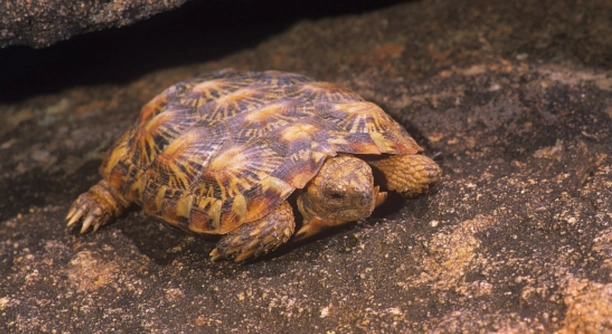
Pancake tortoises are unique reptiles that require a stable environment for their well-being. Many factors affect their health, from temperature to humidity levels. Understanding these environmental factors can ensure they thrive in captivity.
Temperature, humidity, lighting, substrate, diet, social interaction, and habitat cleanliness significantly impact the health of pancake tortoises. These elements must be carefully managed to promote their physical and mental well-being. Proper adjustments can prevent stress and health issues.
Proper care of your pancake tortoise’s environment leads to a long, healthy life. Understanding the key factors is essential to their overall health.
Temperature and Its Impact on Health
Maintaining a consistent temperature is crucial for a pancake tortoise’s health. These reptiles thrive in warm environments, with a temperature range of 80-90°F (27-32°C) during the day and a slight drop at night. If the temperature is too low, it can lead to sluggishness and digestive problems. On the other hand, excessive heat can cause dehydration and heat stress. Ensuring the proper temperature helps regulate their metabolism and immune system. It also encourages natural behaviors such as eating and mating. By using heating pads or lamps, you can control the temperature to meet their needs effectively.
Even slight fluctuations in temperature can stress your tortoise, leading to health problems. It’s essential to monitor the environment consistently.
If you’re unsure about your heating setup, investing in a reliable thermostat and thermometer will give you peace of mind. Keeping the temperature in the ideal range will reduce stress and support healthy digestion.
Humidity Levels and Respiratory Health
Humidity is another critical environmental factor for pancake tortoises. These reptiles prefer a humidity level between 50% and 70%. Proper humidity supports their skin health and prevents dehydration, ensuring their respiratory system functions well. Too much or too little humidity can lead to skin shedding problems, respiratory infections, or dehydration.
Maintaining the right humidity is key to a happy and healthy tortoise.
To manage humidity, use a hygrometer to measure the levels in their enclosure. Mist the habitat regularly and provide a shallow water dish. These actions help maintain optimal humidity levels and support their overall health.
Lighting and Vitamin D Synthesis
Lighting plays a significant role in your tortoise’s overall health, particularly in helping them synthesize vitamin D. Natural sunlight or UVB lighting is necessary for calcium absorption. Without proper UVB exposure, pancake tortoises may develop shell deformities or other bone-related issues.
You should provide 10-12 hours of UVB light each day. If natural sunlight isn’t an option, invest in a high-quality UVB bulb designed for reptiles. This will ensure your tortoise gets the necessary light for proper calcium metabolism.
Over time, inadequate lighting can result in metabolic bone disease, which leads to weakened bones and shell softening. Keeping the light source at the appropriate distance is also essential to ensure your tortoise gets the right intensity.
Substrate and Its Role in Digestion
The type of substrate you choose for your pancake tortoise’s enclosure directly affects its comfort and digestion. A soft, absorbent substrate like coconut coir or organic soil allows them to burrow, an instinctual behavior that contributes to mental and physical health.
Choosing the right substrate is important for preventing impaction, which can occur if the tortoise ingests unsuitable materials like sand or gravel. It’s crucial to select a substrate that’s safe and easy to clean.
To maintain a healthy environment, change the substrate regularly and avoid harsh chemicals. Substrates that retain moisture also help maintain proper humidity levels, making it easier to meet their environmental needs.
Diet and Nutrition
A balanced diet is essential for the health of your pancake tortoise. They need a mix of leafy greens, fruits, and occasional protein. A proper diet ensures they receive necessary vitamins and minerals.
Avoid overfeeding fruits high in sugar as it can lead to obesity. Instead, focus on a variety of greens like dandelion leaves and collard greens.
Ensure your tortoise gets proper calcium, especially if you’re not offering UVB lighting. You can dust their food with calcium powder to prevent metabolic issues and support shell health.
Social Interaction
Pancake tortoises are solitary creatures, but they still benefit from regular observation and interaction. Too much stress from human handling can affect their health, so it’s essential to strike a balance.
Let them interact with their environment and observe them closely. This will ensure they aren’t becoming stressed while still feeling secure in their space.
Provide a quiet, stable environment where your tortoise can thrive without constant disturbances.
Cleanliness and Disease Prevention
Maintaining a clean habitat is crucial for your pancake tortoise’s health. Dirty enclosures can lead to the buildup of bacteria, leading to respiratory and digestive issues.
Regularly clean their water dish and remove any uneaten food. A proper cleaning routine helps avoid the spread of harmful bacteria.
FAQ
How often should I feed my pancake tortoise?
Feed your pancake tortoise 3 to 4 times a week, offering a variety of leafy greens, vegetables, and occasional fruits. It’s important not to overfeed, especially with sugary fruits. Overfeeding can lead to obesity, which can cause long-term health issues. Adjust their diet based on their activity level and growth stage.
What is the ideal temperature for a pancake tortoise?
The ideal temperature for your pancake tortoise should range from 80-90°F (27-32°C) during the day. At night, allow the temperature to drop slightly, around 70-75°F (21-24°C). Ensure there is a temperature gradient in the enclosure so your tortoise can move to areas that suit their needs.
Can pancake tortoises live outside?
Pancake tortoises can live outside if the climate is suitable. Ensure their outdoor enclosure is secure and has enough shelter from extreme weather conditions. The temperature and humidity must remain within their ideal range to prevent stress. If the weather is too hot or cold, it’s better to keep them indoors.
How do I set up a proper habitat for my pancake tortoise?
To create a proper habitat for your pancake tortoise, use a spacious enclosure with both a warm and cool side. Provide a UVB light source for calcium absorption, and ensure humidity levels are between 50%-70%. Use a soft, absorbent substrate, such as coconut coir or organic soil, to allow burrowing behavior.
What kind of substrate is best for a pancake tortoise?
Coconut coir, organic soil, and reptile-safe sand are ideal substrates. These materials allow burrowing and help maintain humidity levels. Avoid using substrates that are too dusty or harmful if ingested, like gravel or non-organic materials. Regular cleaning and changing of the substrate will keep the environment fresh and safe.
How much space does a pancake tortoise need in its enclosure?
Pancake tortoises need a minimum of a 40-gallon enclosure for one adult. A larger space is always better as it provides more room to move and roam. If you plan to keep more than one tortoise, the enclosure size should be increased accordingly to accommodate multiple individuals.
Is it necessary to provide a water dish?
Yes, a water dish is essential for hydration. Ensure the dish is shallow enough for your tortoise to access but not deep enough to cause drowning. Change the water daily to prevent bacteria buildup. You can also lightly mist the enclosure to maintain humidity.
Can I handle my pancake tortoise?
While pancake tortoises are not particularly social, they can tolerate gentle handling in small amounts. Avoid picking them up too frequently, as it can cause stress. If you need to handle them, do so calmly and ensure they feel supported, never grabbing them by their shell.
How do I tell if my pancake tortoise is stressed?
Signs of stress in a pancake tortoise include erratic behavior, refusal to eat, excessive hiding, or aggression. Stress can be caused by environmental factors like incorrect temperature, humidity, or poor diet. Monitor your tortoise closely and adjust their environment accordingly to reduce stress.
What should I do if my pancake tortoise stops eating?
If your tortoise stops eating, check the temperature, humidity, and lighting to make sure they are within the appropriate range. Stress, illness, or environmental factors can cause a lack of appetite. If the problem persists for more than a few days, consult a reptile veterinarian to rule out health issues.
Do pancake tortoises need a heat lamp?
Yes, a heat lamp is necessary to maintain the correct temperature gradient in the enclosure. It provides a basking spot, which is important for regulating body temperature and metabolism. Make sure the heat lamp doesn’t overheat the enclosure and that your tortoise can move to cooler areas when needed.
Can pancake tortoises live with other reptiles?
Pancake tortoises can live with other reptiles if the species are compatible in terms of temperature, humidity, and diet. However, it’s better to keep them in separate enclosures to reduce stress and avoid potential conflicts. Always monitor interactions carefully if you choose to house them together.
What kind of lighting is best for a pancake tortoise?
Provide UVB lighting for 10-12 hours a day to promote calcium absorption and prevent metabolic bone disease. You can use fluorescent UVB bulbs or natural sunlight if possible. Ensure the bulb is positioned at the proper distance to provide adequate light intensity without overheating the tortoise.
How can I prevent my pancake tortoise from getting sick?
To prevent illness, maintain a clean habitat, keep the temperature and humidity within the ideal range, and provide a balanced diet. Regularly inspect your tortoise for signs of illness such as lethargy, abnormal behavior, or shell deformities. Consult a reptile vet for routine check-ups if needed.
What is the lifespan of a pancake tortoise?
Pancake tortoises can live up to 30 years or more with proper care. Providing the right environment and diet will help ensure they live a long, healthy life. Regular monitoring and adjustments to their habitat as they grow will also contribute to their well-being.
Why is my pancake tortoise’s shell soft?
A soft shell in a pancake tortoise is usually a sign of calcium deficiency or inadequate UVB lighting. Ensure your tortoise is receiving enough UVB light for calcium absorption, and consider supplementing their diet with calcium powder. If the problem persists, consult a veterinarian for further advice.
Final Thoughts
Caring for a pancake tortoise requires attention to their specific needs, from diet and habitat to lighting and social interaction. Their unique shell shape and gentle nature make them fascinating pets, but they thrive in an environment that mimics their natural habitat. By providing the right balance of heat, humidity, and space, you can help your tortoise live a healthy and long life.
A proper diet is essential for their well-being. Pancake tortoises should be offered a variety of leafy greens, vegetables, and occasional fruits to meet their nutritional needs. Overfeeding sugary fruits can lead to obesity, which can affect their health in the long run. Calcium is also crucial, so make sure they have access to it through food or supplements, especially if you’re not providing UVB light. Regular monitoring of their food intake and physical condition is important for catching any potential health issues early.
Lastly, creating the right environment is key. Ensure that their enclosure offers both a warm basking area and cooler spots for them to retreat to. Provide UVB lighting to support calcium absorption, and maintain the right humidity levels to keep them comfortable. Regular cleaning of their habitat and water dish will also help prevent the buildup of harmful bacteria, ensuring a clean and safe living space. By meeting these requirements, you can provide a stable environment where your pancake tortoise can thrive.

Hello,
If you enjoy the content that we create, please consider saying a "Thank You!" by leaving a tip.
Every little bit helps us continue crafting quality advice that supports the health, happiness, and well-being of pets around the world, for pets of all shapes, sizes, and species.
We really appreciate the kindness and support that you show us!