
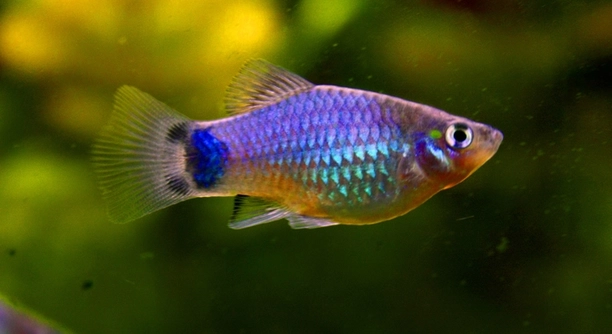
Do you ever find yourself wondering what makes platy fish suddenly start pairing off and displaying their unique mating behaviors?
Platy mating is triggered by a combination of environmental cues such as water temperature, lighting, pH levels, and the presence of potential mates. These factors signal ideal breeding conditions and activate reproductive responses in the fish.
From subtle shifts in tank conditions to changes in lighting cycles, understanding these triggers can help you support healthy and natural mating behaviors in your platies.
Warmer Water Temperatures Kickstart Mating Behavior
When the water temperature in the tank begins to rise, platy fish become more active. Warmer water mimics the start of the breeding season in their natural habitat. This increase in temperature signals to the fish that it’s a good time to reproduce. Males start to chase females more frequently, and females may become more receptive. Keeping the water around 75–80°F can promote mating behavior. If the water is too cold or changes suddenly, it can stop this process altogether. Maintaining consistent temperatures is just as important as hitting the right range. A slow, steady increase is better than a sudden jump. These conditions allow platies to feel safe and ready. Using a reliable heater and a thermometer helps ensure the water remains stable. Once the temperature is in the ideal range, you may notice your platies pairing off more often and displaying signs of courtship.
Temperature changes affect platy behavior quickly. Warmer water boosts activity, appetite, and social interaction.
Platies rely on these subtle environmental cues to know when it’s time to breed. If the tank mimics the natural warming that occurs in spring, it encourages natural mating responses. Proper setup makes a big difference in encouraging healthy behavior without forcing it.
The Role of Light in Stimulating Mating
Increased exposure to light can signal to platies that it’s breeding time. A longer daylight cycle simulates spring and summer conditions.
Keeping the lights on for 12–14 hours a day creates a sense of seasonal change. Just like in the wild, longer days tell the fish it’s time to mate. The added light helps regulate their internal rhythms and influences hormone levels tied to reproduction. Many tank owners notice that their platies become more active, vibrant, and social during extended light cycles. Males often start to chase females more frequently, and some may even begin to display their fins more prominently. Using an automatic timer can help maintain a consistent lighting schedule. Avoid sudden changes in light duration or intensity, as that can stress the fish. Balance is key—too much light may encourage algae growth, while too little can delay breeding behavior. Consistent, gentle light helps platies feel secure and ready to engage in natural mating behaviors.
Stable Water Parameters Encourage Reproductive Readiness
Stable water quality helps platies feel secure and lowers their stress levels. When pH, ammonia, and nitrate levels are balanced, the fish are more likely to engage in mating behaviors. Sudden changes can interrupt their routine and discourage reproduction.
Aim to keep the pH between 6.8 and 8.0, with low ammonia and nitrate levels. Regular testing with reliable kits can help you track any changes. Frequent small water changes, rather than large ones, keep the environment stable. When platies sense consistent water quality, they begin to display courtship behaviors more often. The females tend to eat more and become more active, which are signs they’re preparing to breed. Males might increase fin displays and start to follow the females more closely. Good filtration and routine maintenance make a difference. When everything feels steady in the tank, platies are more likely to settle into their natural patterns.
A sudden dip or spike in water parameters can make your platies hide or stop showing interest in mating. Even subtle shifts can throw off their instincts. That’s why it’s important to test often and take note of their behavior. If they seem stressed, something in the water may be off—even if it’s not obvious right away.
The Presence of Live Plants Supports Mating Behavior
Live plants help mimic the natural environment, which makes platies feel more comfortable. They provide cover, reduce stress, and give females places to hide if they feel overwhelmed. This sense of safety plays a big role in encouraging healthy mating activity.
Plants like java moss, hornwort, and water wisteria are especially helpful. They grow quickly, provide shelter, and even help improve water quality. When females feel safe, they’re more likely to accept the attention of males. Plants also offer resting spots and space for fry to hide once they’re born. If the tank feels too open, fish may stay distant or stressed. Live plants can also help reduce aggressive chasing by breaking up open swimming areas. In planted spaces, the behavior tends to look more natural and balanced. Over time, the tank begins to feel more like a stable, peaceful habitat where platies can mate without constant pressure.
A Balanced Male-to-Female Ratio Reduces Stress
Having more females than males helps lower stress in the tank. A common ratio is one male for every two or three females. This reduces constant chasing and gives females time to rest between interactions.
When the ratio is off, females can become overwhelmed. Too many males competing may also lead to fights or damaged fins. A calm environment supports natural mating without forcing it.
Social Interaction Boosts Breeding Activity
Platies are social fish that become more active around others. When they interact regularly, it encourages natural behaviors like chasing, displaying, and pairing off. Adding a small group of platies to the tank—rather than keeping just a pair—can lead to more visible and successful mating behavior. Watching others interact may help trigger breeding in individual fish. It’s common for the whole group to become more lively when new fish are added. Just make sure not to overcrowd the tank. A busy but balanced environment brings out their most social and natural behaviors.
Good Nutrition Supports Reproduction
Feeding high-quality foods like bloodworms, brine shrimp, and veggie flakes helps prepare platies for breeding. A well-fed fish is more likely to breed and recover quickly afterward.
FAQ
How can I tell if my platy is ready to mate?
You might notice changes in behavior and appearance when a platy is ready to mate. Females often become rounder around the belly as they prepare to carry fry. Males start chasing females more frequently and show brighter colors or extended fins. Increased swimming activity and more social interaction are also common signs.
What is the best water temperature for platy breeding?
The ideal temperature range is between 75°F and 80°F (24°C to 27°C). Maintaining this range helps simulate natural conditions and encourages mating behavior. Avoid sudden temperature changes, which can stress the fish and disrupt breeding.
Can platies breed without a male present?
No, platies are livebearers and require males for fertilization. While females store sperm and can give birth multiple times from one mating, a male is needed initially to fertilize the eggs.
How often do platies mate?
Platies can mate frequently if conditions are right. Females may give birth every 4 to 6 weeks, depending on factors like age, health, and environment. Males may court multiple females during this time.
Do platies need special food to breed?
Feeding nutritious food like frozen or live bloodworms, brine shrimp, and high-quality flakes supports reproductive health. Good nutrition improves the chances of successful mating and healthy fry.
Should I separate pregnant females from other fish?
It’s a good idea to provide hiding places or a separate breeding tank for pregnant females. Fry are vulnerable to being eaten by adults, including their parents, so separation increases fry survival.
How can I increase fry survival in a community tank?
Dense planting and adding breeding boxes or mesh barriers help fry hide from adult fish. Avoid overcrowding and maintain excellent water quality to give fry the best chance of growing healthy.
Is water hardness important for platy mating?
Platies tolerate a wide range of water hardness but prefer moderately hard water. Keeping hardness levels stable supports overall health and reproduction.
Can stress affect platy mating behavior?
Yes, stress from poor water quality, overcrowding, or aggressive tank mates can reduce mating activity. Creating a calm, balanced environment is essential to encourage breeding.
How long does it take for platy fry to grow?
Fry grow quickly and can start eating tiny foods like baby brine shrimp within a few days. They usually reach adult size in 3 to 4 months, depending on diet and tank conditions.
What should I do if my platies aren’t mating?
Check water quality, temperature, and tank setup first. Make sure there’s a good male-to-female ratio and enough hiding spots. Improving nutrition and stable lighting cycles often helps trigger breeding behavior.
Can platies mate year-round?
In a stable aquarium environment with controlled temperature and lighting, platies can breed year-round. Natural seasonal cycles are less important indoors, but consistent care is needed.
How many fry can one female platy produce?
A single female can give birth to anywhere from 20 to 80 fry per brood. The number varies based on age, health, and environmental conditions.
Is it necessary to remove male platies after breeding?
Removing males isn’t necessary but can reduce stress on females, especially if there’s only one or two females. Keeping a proper ratio usually prevents problems.
Do platies form pairs during mating?
Platies do not form long-term pairs. Mating is brief, and males may court multiple females. Social groups help create more natural interactions.
What signs show that platy fry are healthy?
Healthy fry swim actively, eat well, and grow steadily. Clear eyes, full fins, and bright colors are good signs.
Can platies breed in a planted tank only?
Yes, a planted tank is ideal for breeding. Plants offer shelter and improve water quality, both of which support natural behavior.
Are there any special lighting needs for breeding platies?
A consistent light cycle of 12 to 14 hours per day is best. Too much or too little light can disrupt breeding behavior.
How do I care for platy fry after birth?
Feed tiny, frequent meals of powdered fry food or baby brine shrimp. Keep water clean and provide plenty of hiding spots to protect them from adults.
Will platies continue to breed if they are stressed?
Stress usually lowers breeding activity. Fish under constant stress may stop mating or produce weaker offspring.
Can I keep platies with other fish during breeding?
Yes, but avoid aggressive species that may harm fry or stress the adults. Peaceful tank mates and plenty of hiding places help maintain a calm environment.
Platy fish are small but fascinating creatures, especially when it comes to their mating behaviors. Understanding the environmental cues that encourage them to breed can make a big difference if you keep them in an aquarium. Factors like water temperature, lighting, water quality, and the presence of live plants all work together to create the right setting for platies to feel comfortable and ready to mate. When these conditions are met, you can expect to see more natural behaviors such as chasing, displaying, and eventually, the birth of healthy fry. Keeping an eye on these cues helps ensure the well-being of both adult fish and their offspring.
Maintaining stable conditions is especially important because platies are sensitive to sudden changes. Even small shifts in temperature, pH, or water hardness can cause stress and delay breeding. Stress is a key reason why platies might not mate, so creating a calm and balanced environment helps. It is also useful to keep a proper male-to-female ratio to reduce aggression and allow females to rest. Live plants not only improve water quality but also provide shelter, which makes the fish feel safer. When platies feel secure, their mating behavior is more natural and successful.
Finally, feeding a balanced diet supports platy reproduction and the health of the fry. Nutritious foods like live or frozen bloodworms and brine shrimp give the fish energy and improve their chances of breeding. After fry are born, providing hiding places and careful feeding helps them grow strong. By paying attention to these environmental cues and care tips, you can enjoy watching your platies breed naturally and raise healthy young fish. Taking the time to create the right conditions will benefit your platies and make the aquarium a more vibrant and lively place.

Hello,
If you enjoy the content that we create, please consider saying a "Thank You!" by leaving a tip.
Every little bit helps us continue crafting quality advice that supports the health, happiness, and well-being of pets around the world, for pets of all shapes, sizes, and species.
We really appreciate the kindness and support that you show us!