
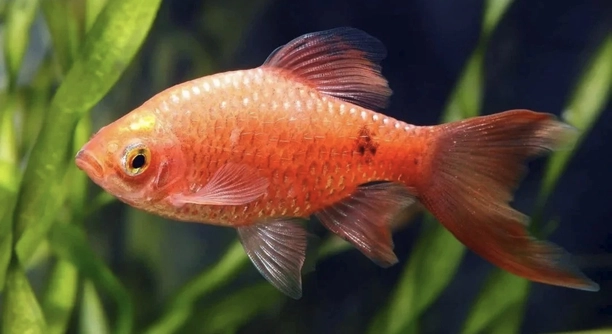
Rosy barbs are small, colorful fish that often live in freshwater aquariums. They react to different signals in their environment, which helps them survive and thrive. Understanding these signals is important for their care.
Rosy barbs respond to at least seven key environmental cues, including water temperature, light levels, water quality, presence of plants, tank mates, feeding schedules, and water flow. Each factor plays a critical role in their behavior and well-being.
Learning about these cues can improve how you care for rosy barbs and create a better habitat for them to grow healthy and happy.
Water Temperature and Its Impact
Water temperature is one of the most important cues for rosy barbs. These fish prefer a temperature range between 22°C and 28°C (72°F to 82°F). When the water is too cold or too warm, their metabolism and activity levels change. In colder water, rosy barbs become sluggish and may stop eating. In warmer water, they become more active but can get stressed if it gets too hot. Stable temperatures also support healthy immune systems, reducing the risk of disease. Using a reliable aquarium heater and thermometer helps maintain consistent conditions. Sudden temperature changes can cause shock and weaken their resistance to illness. Keeping temperature steady also encourages natural behaviors like schooling and breeding. This environmental cue plays a vital role in their overall health and comfort in captivity.
Water temperature directly affects rosy barbs’ behavior and health, making it crucial to monitor and maintain proper levels in their tank.
Maintaining a consistent water temperature supports rosy barbs’ well-being by stabilizing their metabolism and activity. Sudden shifts can trigger stress responses, affecting feeding habits and immune function. In an aquarium setting, careful temperature control mimics their natural habitat, promoting normal social behaviors and breeding patterns. It is best to avoid temperature extremes to ensure they remain active and healthy. Monitoring equipment and routine checks are essential to provide a safe environment. This cue is one of the simplest ways to improve care quality for these fish. By understanding and respecting their temperature needs, aquarists can prevent many common health problems and support a lively, thriving group of rosy barbs.
Light Levels and Behavior
Light intensity influences how rosy barbs act in their tank.
Rosy barbs are sensitive to light, which affects their feeding and activity cycles. Too much bright light can stress them, while too little may reduce their energy. Providing a balanced light schedule mimics natural day and night cycles. This helps regulate their biological rhythms and promotes healthier behavior. Using a timer to control lighting periods creates stability. Soft, indirect light often works best, especially if the tank has live plants. Proper lighting also enhances their vibrant colors and supports plant growth. Adjusting light intensity gradually helps fish adapt without shock. Light plays an important role in their environment by affecting mood and activity patterns.
In natural habitats, rosy barbs experience varying light through the day, so aquarium lighting should reflect that variability. They prefer moderate light, avoiding extremes that could cause discomfort or hiding behavior. Sudden flashes or overly bright bulbs may trigger stress, leading to erratic swimming or reduced feeding. Using full-spectrum lights encourages natural coloration and supports photosynthesis in plants that provide shelter. Day-night cycles help maintain their internal clocks, so it’s good to keep consistent lighting schedules, generally around 10 to 12 hours daily. Monitoring their responses to different light levels allows adjustment for the healthiest setting. Balancing light is essential for their comfort, visual appeal, and natural behaviors within the aquarium.
Water Quality
Maintaining clean water is essential for rosy barbs to stay healthy and active. Poor water conditions can cause stress and illness.
Regular water changes remove waste and toxins that build up over time. Testing water parameters like pH, ammonia, nitrite, and nitrate levels helps ensure the environment remains stable. Rosy barbs prefer slightly acidic to neutral pH, between 6.5 and 7.5. High ammonia or nitrite levels are harmful and must be avoided. Filtration systems play a key role in keeping water clear and safe. Avoid overcrowding the tank, as this increases waste and reduces water quality quickly. Good water conditions support their immune system and natural behaviors.
Proper water quality prevents disease and promotes longevity. It also affects their coloration and appetite. When water conditions decline, fish become less active and may develop infections. Keeping the tank clean involves a balance of regular water changes, monitoring water chemistry, and ensuring effective filtration. This reduces the risk of harmful bacteria and toxins that cause stress. Stable water quality encourages rosy barbs to thrive, behave normally, and display their best colors. Paying attention to this cue is a fundamental part of aquarium care.
Presence of Plants
Live plants offer hiding spots and improve water quality for rosy barbs. They help create a natural, comfortable environment.
Plants provide shelter from bright light and reduce stress by offering places to hide. They also improve water oxygen levels and absorb harmful chemicals. This supports healthier fish and reduces algae growth. Popular choices include Java fern, Anubias, and Amazon sword. Plants add structure to the tank, encouraging natural swimming patterns and exploration. Their presence mimics the rosy barbs’ natural habitat, making them feel more secure and active. Careful selection of hardy plants ensures they survive alongside these lively fish.
Incorporating plants changes the tank dynamics positively. They create a balanced ecosystem where fish and plants benefit each other. Plants improve water quality by filtering out nitrates and providing oxygen through photosynthesis. The hiding spots they offer reduce aggression between fish and lower stress levels. Additionally, plants contribute to the visual appeal of the tank by adding greenery and texture. The right plant setup encourages rosy barbs to display natural behaviors like grazing on algae and exploring. Overall, plants are a valuable part of creating a healthy and enriching environment.
Tank Mates
Rosy barbs prefer peaceful tank mates that won’t nip their fins or compete aggressively for food. Choosing compatible species helps maintain a calm environment.
Good companions include other barbs, danios, and larger tetras. Avoid small, slow fish or long-finned varieties that may become targets.
Feeding Schedules
Regular feeding times help rosy barbs develop consistent eating habits and reduce stress. Feeding twice daily with small portions prevents overfeeding and water pollution.
A varied diet of flakes, pellets, and occasional live or frozen foods supports their health and vibrant colors. Stick to a schedule to encourage natural behavior and digestion.
Water Flow
Moderate water flow simulates natural river currents, keeping rosy barbs active and healthy. Too strong a current can tire them, while still water may lead to boredom or poor oxygen levels. Adjust flow based on tank size and fish activity.
What are the ideal water conditions for rosy barbs?
Rosy barbs thrive in water with a temperature between 22°C and 28°C (72°F to 82°F). They prefer slightly acidic to neutral pH, usually around 6.5 to 7.5. It is important to maintain low levels of ammonia and nitrites, ideally zero, with nitrates kept under 20 ppm. Clean water and stable conditions help prevent stress and disease. Regular water testing and changes are necessary to keep these levels safe.
How often should I change the water in a rosy barb tank?
Water changes of about 25% every one to two weeks are recommended. Frequent partial changes help remove waste and toxins that build up over time. Avoid complete water changes, as they can shock the fish by suddenly altering water chemistry. Using a gravel vacuum during water changes also removes uneaten food and debris from the substrate, keeping the tank clean.
What kind of diet do rosy barbs need?
Rosy barbs are omnivores and do well on a varied diet. High-quality flakes or pellets form the base of their diet. Supplement with live or frozen foods like brine shrimp, bloodworms, or daphnia for extra protein. Occasional vegetable matter, such as blanched spinach or peas, supports their health. Feeding small amounts twice a day helps avoid overfeeding and keeps water quality high.
Can rosy barbs live with other fish?
Yes, rosy barbs are generally peaceful but can be fin-nippers, especially if stressed or kept in small groups. They do best with active, similarly sized tank mates like danios, larger tetras, or other barbs. Avoid slow-moving or long-finned fish that may be targeted. Keeping rosy barbs in groups of at least five reduces aggression and encourages natural schooling behavior.
What kind of plants should I include in a rosy barb tank?
Hardy plants like Java fern, Anubias, and Amazon sword are good choices. These plants tolerate the activity level of rosy barbs and offer hiding spots, which reduce stress. Floating plants can also help diffuse bright lighting, making the environment more comfortable. Avoid delicate plants that may be uprooted or eaten.
How much light do rosy barbs need?
Rosy barbs benefit from moderate lighting that mimics natural day and night cycles. About 10 to 12 hours of light daily is ideal. Too much bright light can cause stress, while too little can reduce activity and color vibrancy. Using a timer to keep a consistent schedule helps regulate their biological rhythms.
What signs indicate stress in rosy barbs?
Signs of stress include loss of color, hiding, erratic swimming, reduced appetite, and clamped fins. Stress can result from poor water quality, incompatible tank mates, improper temperature, or inadequate diet. Early identification and correcting the cause help prevent illness and improve their overall well-being.
How important is water flow for rosy barbs?
Moderate water flow replicates their natural habitat, encouraging swimming and oxygen circulation. Too strong a current tires them out, while stagnant water lowers oxygen levels and can cause boredom or poor health. Adjusting flow based on tank size and fish behavior ensures a comfortable environment.
Do rosy barbs require any special tank setup?
A spacious tank with at least 20 gallons is recommended for a small group of rosy barbs. Providing hiding places with plants and decorations creates a natural environment. Good filtration and heater systems maintain stable water conditions. Avoid overcrowding, as it stresses the fish and degrades water quality.
Can rosy barbs breed in home aquariums?
Yes, they can breed in captivity if conditions are right. A separate breeding tank with slightly warmer water, plenty of plants, and good water quality encourages spawning. The female lays eggs among plants, which hatch in a few days. Removing adults after spawning prevents them from eating the fry. Proper feeding of fry includes infusoria or finely crushed flakes.
Rosy barbs are lively fish that respond to many factors in their environment. Understanding these cues helps provide the best care and a comfortable home. Water temperature, light levels, water quality, plants, tank mates, feeding schedules, and water flow all play important roles. Each factor influences their behavior, health, and happiness. Paying attention to these details can prevent common problems and improve their overall well-being. A stable and balanced environment encourages rosy barbs to swim actively, eat well, and display their bright colors.
Maintaining proper water quality is one of the most important steps in caring for rosy barbs. Regular water changes and good filtration keep the water clean and safe. Testing water parameters like pH, ammonia, and nitrates ensures the tank stays within safe limits. Consistent temperature and lighting mimic their natural surroundings, which helps reduce stress. Including live plants provides hiding spots and improves water quality, creating a more natural and calming environment. Choosing peaceful tank mates that match their activity level also keeps the community harmonious. These simple but effective practices help keep rosy barbs healthy and reduce the risk of illness.
Feeding rosy barbs a varied diet in proper amounts supports their energy and color. Feeding twice a day with high-quality flakes or pellets, plus occasional live or frozen foods, meets their nutritional needs. Keeping a moderate water flow encourages swimming without tiring them out. By understanding and responding to these environmental cues, caring for rosy barbs becomes easier and more rewarding. Creating a well-maintained tank not only helps the fish thrive but also makes watching them more enjoyable. Taking these steps allows you to build a balanced habitat where rosy barbs can live happily and healthily for years.

Hello,
If you enjoy the content that we create, please consider saying a "Thank You!" by leaving a tip.
Every little bit helps us continue crafting quality advice that supports the health, happiness, and well-being of pets around the world, for pets of all shapes, sizes, and species.
We really appreciate the kindness and support that you show us!