
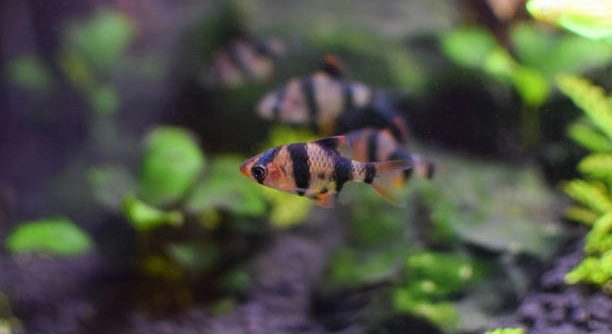
Barbs are small, lively fish often kept in home aquariums. Their behavior can change based on things happening around them. Understanding these changes helps keep them healthy and happy.
Barbs respond to a variety of environmental cues such as water temperature, light intensity, water quality, tank decorations, presence of other fish, feeding times, and noise levels. These factors influence their activity, stress levels, and social interactions in measurable ways.
Knowing how barbs react to these cues can improve care and create a better environment for them to thrive.
Water Temperature and Its Impact on Barbs
Water temperature plays a vital role in how barbs behave. These fish are cold-blooded, meaning their body temperature matches the water around them. When the water is too cold, barbs become sluggish and less active. If it is too warm, they can become stressed or more aggressive. Ideally, barbs thrive in water between 74°F and 79°F (23°C to 26°C). Keeping the temperature stable helps maintain their energy and supports healthy immune function. Sudden changes in temperature can cause shock, making them more prone to illness. Aquarium heaters or chillers help regulate temperature if needed. Regular checks with a reliable thermometer can prevent harmful fluctuations. Barbs also rely on temperature cues for breeding behavior. Inconsistent temperatures may delay or stop spawning. Overall, maintaining the right temperature is essential for their wellbeing and normal behavior in the tank.
Barbs react quickly to temperature changes, so consistent monitoring is important for their health.
Understanding how temperature affects barbs allows for better tank management and helps avoid unnecessary stress on your fish.
Light Intensity and Barbs’ Behavior
Light affects barbs’ daily activities and stress levels.
Barbs prefer moderate lighting similar to their natural habitats. Too much light can cause stress and hiding behavior, while too little light can make them less active. Proper lighting supports their feeding schedule and helps regulate their sleep cycles. Using a timer ensures consistent light periods, usually about 10 to 12 hours per day. Dimmer or shaded areas in the tank offer places for barbs to retreat when they want rest. Light also impacts algae growth, which indirectly affects water quality. Balancing light intensity helps create a comfortable environment and promotes healthy activity levels in barbs. Adjusting lighting based on the tank setup and the species of barbs is key for maintaining their natural rhythms and behavior patterns.
Water Quality and Barbs’ Health
Poor water quality causes stress and illness in barbs. Ammonia, nitrite, and nitrate levels must be kept low to avoid harm. Frequent water changes and good filtration are essential.
Maintaining clean water is critical for barbs to stay healthy and active. High levels of toxins like ammonia and nitrites damage their gills and immune system. This can lead to lethargy, loss of appetite, and disease. Regular testing of water parameters helps catch problems early. Using a quality filter keeps debris and waste under control. Changing 20-30% of the water weekly reduces harmful buildup. Avoid overfeeding, as leftover food pollutes the tank. Barbs are sensitive to sudden changes, so all water additions should be treated to remove chlorine and chloramines. A balanced, stable environment keeps barbs comfortable and thriving.
Good water quality directly supports natural behavior, making barbs less prone to stress and more lively in the aquarium.
Tank Decorations and Their Influence
Decorations provide shelter and reduce stress in barbs. Hiding spots help them feel safe and reduce aggressive behavior.
Plants, rocks, and driftwood mimic the barbs’ natural habitat, giving them places to explore and hide. These features break sightlines, which can lower stress during social interactions or when new fish are introduced. Barbs may claim favorite spots, using them to retreat when feeling threatened. Plants also improve water quality by absorbing nitrates and providing oxygen. Hardscape elements must be safe and free from sharp edges to avoid injuries. Choosing decorations that match the natural environment supports the barbs’ instincts and encourages natural swimming and foraging behaviors. Regularly rearranging decorations can stimulate curiosity but avoid sudden drastic changes that may cause stress. Proper tank setup with thoughtful decoration creates a healthy space for barbs to thrive.
Presence of Other Fish
Barbs are social but can show aggression around certain fish. Their behavior depends on tank mates and group size.
Keeping barbs in groups of six or more helps reduce bullying and stress. Aggressive species nearby can provoke defensive behavior in barbs, so tank compatibility is key.
Feeding Times and Barbs’ Response
Barbs quickly learn feeding schedules and become more active around those times. Regular feeding helps reduce stress and supports healthy growth. Irregular feeding may cause anxiety or aggression as they compete for food. Feeding small amounts multiple times a day mimics natural conditions. Using a timer or consistent routine helps barbs anticipate meals and lowers their stress. Overfeeding can pollute the water and harm fish, so moderation is important. Quality food and timing together ensure barbs stay energetic and healthy. Adjust feeding habits based on the fish’s size and species needs for best results.
Noise Levels Affect Behavior
Loud noises or vibrations can stress barbs, causing hiding or erratic swimming.
FAQ
How do barbs react to sudden changes in water temperature?
Barbs are sensitive to sudden temperature shifts, which can cause stress and shock. Rapid changes may lead to lethargy, loss of appetite, or increased susceptibility to disease. It’s important to adjust the temperature gradually, aiming for no more than a 1-2°F change per hour. Using a reliable aquarium heater or chiller helps maintain stability. Monitoring water temperature regularly prevents harmful fluctuations and keeps barbs healthy.
What lighting is best for barbs in a home aquarium?
Moderate lighting that mimics natural daylight is best for barbs. Around 10 to 12 hours of light daily helps regulate their activity and rest cycles. Too much light causes stress and hiding, while too little reduces their energy and feeding behavior. A timer can provide consistent light periods, and having shaded areas with plants or decorations gives barbs places to retreat.
Can barbs live with aggressive fish?
Barbs can become stressed or aggressive when housed with aggressive fish. It’s better to keep them with peaceful or similarly active species. Avoid keeping barbs with overly territorial or fin-nipping fish, as this can cause fights and injuries. Grouping barbs in schools of six or more helps reduce aggression among themselves and balances social behavior.
How often should I change the water for barbs?
Changing 20-30% of the water weekly is ideal to maintain clean and healthy conditions. Frequent partial water changes help remove toxins like ammonia and nitrates that build up over time. Avoid changing too much water at once, as this can shock the fish. Always treat new water to remove chlorine or chloramines before adding it to the tank.
What kind of decorations do barbs prefer?
Barbs prefer tanks with plenty of hiding spots created by plants, rocks, and driftwood. These decorations reduce stress and encourage natural exploration and social behaviors. Avoid sharp or rough objects that could injure them. Having some open swimming space combined with shaded retreats helps barbs feel secure.
How important is a feeding schedule for barbs?
A consistent feeding schedule is very important for barbs. They quickly learn when to expect food and become more active around those times. Feeding small amounts two to three times a day mimics their natural habits. Overfeeding should be avoided as it leads to water pollution and health issues. Quality food supports their growth and vitality.
Do barbs get stressed from loud noises?
Yes, barbs are sensitive to loud noises and vibrations. Sudden or continuous noise can cause hiding, erratic swimming, or increased aggression. It’s best to keep their tank in a quiet, stable area away from heavy foot traffic or loud appliances. Reducing noise helps keep barbs calm and comfortable.
Can water quality affect barb behavior?
Poor water quality directly affects barb health and behavior. High ammonia or nitrate levels cause stress, lethargy, and illness. Clean, well-filtered water supports active swimming and normal social interactions. Regular testing and maintenance are necessary to keep water parameters safe for barbs.
What happens if barbs don’t have enough space or companions?
Barbs are schooling fish and need companions to feel secure. Without enough tank mates, they can become shy, stressed, or aggressive toward others. Small or overcrowded tanks limit their swimming space, causing frustration and poor health. A spacious tank with a proper group size promotes natural, healthy behavior.
Are barbs affected by the time of day?
Barbs have daily activity patterns influenced by light and feeding schedules. They are more active during daylight and rest when it’s dark. Consistent light and feeding times support these natural rhythms. Disrupting their schedule can cause stress or irregular behavior.
How can I tell if my barbs are stressed?
Signs of stress in barbs include hiding, loss of appetite, rapid breathing, and unusual swimming patterns like darting or sluggishness. Color fading or fin clamping can also indicate stress. Identifying and correcting environmental issues such as poor water quality, improper temperature, or overcrowding usually helps them recover quickly.
Can rearranging tank decorations stress barbs?
Sudden or frequent rearranging of decorations can cause stress as barbs rely on familiar landmarks. If changes are needed, do them gradually and avoid drastic alterations. This helps barbs adjust without feeling threatened. Providing stable hiding spots is key to reducing anxiety during tank changes.
Is noise from aquarium equipment stressful for barbs?
Equipment like filters and air pumps can create vibrations and sounds that stress barbs if they are too loud. Ensuring equipment is well-maintained and placed properly can minimize noise. Quiet, smooth-running devices help create a peaceful environment for barbs.
How do barbs communicate stress to each other?
Barbs use body language and behavior to signal stress within the group. They may display raised fins, rapid movements, or changes in schooling patterns. Watching for these signs helps identify problems early and take action to improve tank conditions. Social interactions among barbs are important for their well-being.
What role does feeding type play in barb behavior?
The type of food affects barb activity and health. Balanced diets including flakes, pellets, and occasional live or frozen food keep barbs energetic and colorful. Poor diet can cause lethargy, aggression, or poor immune response. Variety in food also stimulates natural foraging behavior.
Barbs are lively fish that respond strongly to their environment. Paying attention to things like water temperature, lighting, water quality, and tank decorations can make a big difference in how they behave. Keeping their surroundings stable and comfortable helps reduce stress and promotes natural activity. When barbs feel safe, they show more of their playful and social nature. This leads to a healthier and more enjoyable aquarium for both the fish and the keeper.
It is important to remember that barbs do best when kept in groups of six or more. This helps lower aggression and keeps them feeling secure. Along with group size, having compatible tank mates is essential. Some fish can cause stress or fight with barbs, so choosing peaceful companions matters. Feeding barbs on a regular schedule with good-quality food supports their energy and overall health. Also, regular water changes and careful monitoring of water parameters prevent many common problems.
In summary, creating a well-balanced environment tailored to barbs’ needs is key to their well-being. Each factor, from light to noise, plays a role in their behavior and health. By observing how your barbs react to changes and adjusting their environment accordingly, you can provide the best care possible. A calm, clean, and thoughtfully arranged tank will let barbs thrive and show their true colors. Taking these simple steps makes caring for barbs a rewarding experience.

Hello,
If you enjoy the content that we create, please consider saying a "Thank You!" by leaving a tip.
Every little bit helps us continue crafting quality advice that supports the health, happiness, and well-being of pets around the world, for pets of all shapes, sizes, and species.
We really appreciate the kindness and support that you show us!