
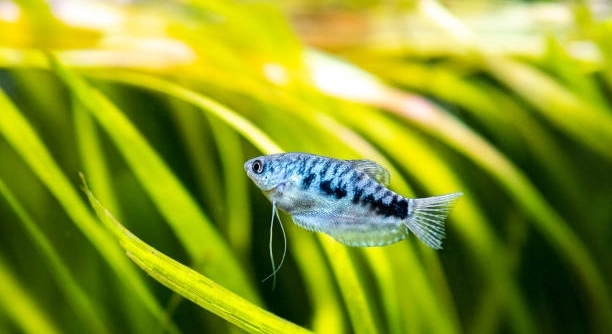
Gouramis are popular aquarium fish known for their peaceful nature and unique appearance. Keeping them happy requires attention to their environment. Small changes can affect their comfort and well-being in the tank.
Gouramis dislike sudden shifts in water temperature, poor water quality, strong currents, overcrowding, lack of hiding spots, improper lighting, and frequent loud noises. These environmental factors can cause stress and negatively impact their health and behavior.
Recognizing these changes is important for maintaining a healthy habitat. Understanding what makes gouramis uncomfortable helps ensure they thrive in your care.
Sudden Shifts in Water Temperature
Gouramis are sensitive to quick changes in their water temperature. When the temperature jumps suddenly, it can shock their system. This stress can make them less active and more prone to illness. Maintaining a stable temperature between 75°F and 82°F helps keep them comfortable. Using a reliable heater and thermometer makes it easier to monitor and adjust the water temperature. Avoid placing the tank near windows or air vents where temperature changes occur often. Slow, gradual adjustments are better if changes are necessary. Keeping the water stable supports their immune system and encourages natural behavior.
Sudden temperature changes can cause immediate stress, making gouramis hide or stop eating.
A steady environment is key to preventing stress-related problems. If the temperature fluctuates too much, gouramis may become vulnerable to diseases like ich or fin rot. Maintaining consistency in temperature also supports their metabolism and overall growth. Regular monitoring ensures any changes are caught early, helping you act before problems arise. If a heater fails, it’s important to fix or replace it quickly to avoid risking your fish’s health. Proper temperature control is one of the simplest ways to promote long-term well-being for your gouramis.
Poor Water Quality
Dirty or unbalanced water is harmful to gouramis. They need clean, well-filtered water to thrive. Ammonia, nitrite, and nitrate levels should be checked regularly and kept low. Frequent water changes help maintain good water quality. Without this care, their gills and skin can become irritated, leading to sickness. Using a good filtration system and avoiding overfeeding prevents excess waste. Overcrowding the tank also worsens water conditions quickly. Testing water parameters weekly gives you control over the environment. Clear, odorless water usually means your tank is in good shape for gouramis.
Maintaining clean water is one of the most important steps in caring for gouramis.
If water conditions are poor, gouramis can develop health issues such as fungal infections or bacterial diseases. Waste buildup creates toxins that stress fish and damage their respiratory systems. Even small amounts of ammonia or nitrites can be deadly over time. Establishing a regular cleaning schedule prevents these problems before they start. Changing about 25% of the water weekly keeps harmful chemicals low and supports beneficial bacteria. Avoid using harsh chemicals when cleaning to protect the natural balance. Good water quality directly affects your gouramis’ appetite, activity, and colors. With consistent care, your fish will remain lively and healthy.
Strong Currents
Gouramis prefer calm water with little flow. Strong currents make it difficult for them to swim and can cause stress.
In tanks with powerful filters or pumps, water movement can be too strong for gouramis. This constant struggle wears them out and affects their natural behavior. They may hide more or avoid certain areas of the tank to escape the current. Providing plants or decorations can help break the flow and create peaceful spots. Adjusting filter output or using flow control attachments can also reduce strong water movement.
Too much current can even damage gouramis’ delicate fins over time. It’s important to monitor how your fish react to water flow and make changes if they appear stressed. Keeping water calm mimics their natural habitat and supports their health and comfort.
Overcrowding
Overcrowding raises stress levels in gouramis and other fish. Too many fish in one tank cause competition for space and resources.
Crowded conditions increase waste buildup, which harms water quality and raises disease risk. Gouramis need room to swim and hide, so overcrowding reduces their comfort and safety. Fish may become aggressive or lose appetite when stressed by a packed environment.
Maintaining proper stocking levels, based on tank size, helps prevent these problems. A spacious tank with fewer fish improves behavior and health. It also makes regular cleaning easier and reduces fights between fish. Giving gouramis enough room allows them to show their natural colors and personalities.
Lack of Hiding Spots
Gouramis need places to hide to feel secure in their tank. Without enough hiding spots, they can become stressed and shy.
Adding plants, caves, or decorations provides safe spaces. This helps gouramis relax and reduces their anxiety.
Improper Lighting
Bright or constant lighting can bother gouramis. They prefer dim or natural light that mimics their environment.
Too much light stresses them and disrupts their natural day-night cycle. Using adjustable or soft lighting supports their comfort and activity.
Frequent Loud Noises
Loud noises outside the tank cause stress in gouramis. Sudden sounds can startle them, making them hide or act nervously.
Keeping the aquarium in a quiet area reduces this problem and helps gouramis stay calm and healthy.
How do I know if my gourami is stressed by environmental changes?
Signs of stress in gouramis include hiding more than usual, loss of appetite, sluggish swimming, or frayed fins. You might also notice faded colors or unusual behavior like gasping at the surface. These symptoms often appear when conditions such as water quality, temperature, or tank setup are not ideal. Observing your fish regularly helps catch stress early before health problems develop.
What is the ideal water temperature for gouramis?
Gouramis thrive best in water temperatures between 75°F and 82°F (24°C to 28°C). Keeping the temperature stable within this range supports their immune system and overall health. Sudden drops or spikes in temperature can cause stress and weaken them, making it easier for illnesses to take hold. Using a heater with a reliable thermostat ensures consistent water warmth.
How often should I change the water in my gourami tank?
It’s best to change about 25% of the water every week. This keeps ammonia, nitrite, and nitrate levels low, which is important for fish health. Frequent partial water changes help remove waste and maintain clear, clean water. Avoid changing all the water at once, as this can shock the fish.
Can gouramis live with other fish species?
Yes, gouramis are generally peaceful and can live with other non-aggressive fish of similar size. However, overcrowding or mixing with very aggressive species can cause stress or injury. Choose tank mates carefully and provide plenty of hiding places to reduce conflict.
What should I do if my gourami shows signs of illness?
If your gourami looks sick, first check water quality and tank conditions. Poor water often causes health issues. Quarantine the affected fish if possible and consult a vet or aquarium specialist for diagnosis. Early treatment improves recovery chances, so don’t delay seeking advice.
How can I reduce strong currents in my aquarium?
Use adjustable filters or add flow control attachments to lower water movement. Plants and decorations also help break strong currents, creating calmer areas for your gourami. Position the filter outlet so water flows gently instead of rushing directly across the tank.
What type of lighting is best for gouramis?
Soft, dim, or natural lighting is best. Avoid bright or constant lights, which can stress gouramis. Using a timer to create a regular day-night cycle helps maintain their natural rhythms and comfort.
Why do gouramis need hiding spots?
Hiding spots reduce stress by offering safe places where gouramis feel secure. Plants, caves, or decorations allow them to escape from potential threats or bright light. Without enough cover, gouramis may become nervous and less active.
Can loud noises outside the tank affect my gourami?
Yes, sudden or frequent loud noises can startle gouramis, causing stress and hiding behavior. Placing the aquarium in a quiet area helps keep them calm and healthy.
What is the best tank size for gouramis?
A minimum of 20 gallons is recommended for most gourami species. This provides enough space for swimming, hiding, and social interaction. Larger tanks make it easier to maintain stable water conditions and reduce stress.
How do I maintain proper water quality?
Regular water testing for ammonia, nitrite, and nitrate is essential. Use a good filtration system, avoid overfeeding, and perform weekly partial water changes. Keeping the tank clean and balanced prevents toxic buildup and protects your gourami’s health.
Can overcrowding cause diseases in gouramis?
Yes, overcrowding increases waste and stress, weakening gouramis’ immune systems. This makes them more susceptible to infections and illness. Maintaining appropriate stocking levels reduces these risks and improves overall tank health.
What plants are good for gourami tanks?
Live plants like Java fern, Anubias, and floating plants provide shelter and improve water quality. They create a natural environment that gouramis appreciate, helping reduce stress and encourage natural behaviors.
How often should I feed my gourami?
Feed small amounts once or twice daily. Overfeeding can pollute the tank and harm water quality. Offering a balanced diet of flakes, pellets, and occasional live or frozen foods supports their nutrition and health.
What are common signs of poor water quality?
Cloudy water, foul odor, algae overgrowth, and fish showing signs of distress such as gasping or lethargy usually indicate poor water quality. Regular testing and maintenance prevent these issues.
Final Thoughts
Creating a comfortable environment for gouramis is important to their well-being. These fish are sensitive to changes around them, and small factors in their tank can make a big difference. Keeping water temperature steady, maintaining clean water, and ensuring gentle water flow all help reduce stress. When these basic needs are met, gouramis tend to be healthier and show natural, active behavior. Paying attention to their environment is key to providing a happy home for your fish.
Another important factor is giving gouramis enough space and places to hide. Overcrowding can cause stress and make fish feel unsafe. Adding plants, decorations, or caves creates shelter that helps gouramis relax. They use these spots to rest or avoid bright lights and strong currents. Proper lighting also plays a role—soft, natural light is best, while strong or constant lighting may cause discomfort. These simple adjustments help gouramis feel secure and encourage them to thrive in your tank.
Noise and sudden disruptions outside the tank can affect gouramis too. Loud sounds or vibrations may startle them and cause anxiety. Placing the aquarium in a quiet, stable location helps keep the environment peaceful. Overall, understanding what gouramis dislike about their surroundings makes it easier to avoid common problems. By maintaining stable conditions, clean water, and a calm setting, you support the health and happiness of your fish. Small efforts in caring for their environment bring great rewards in seeing your gouramis live well and enjoy their space.

Hello,
If you enjoy the content that we create, please consider saying a "Thank You!" by leaving a tip.
Every little bit helps us continue crafting quality advice that supports the health, happiness, and well-being of pets around the world, for pets of all shapes, sizes, and species.
We really appreciate the kindness and support that you show us!