
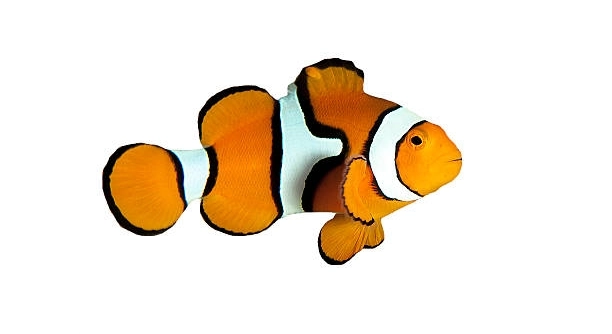
Do your clownfish often seem bored or uninterested in their tank, even when conditions appear just right for them to thrive?
Clownfish benefit greatly from enrichment tricks that support their natural instincts. These tricks encourage exploration, reduce stress, and promote mental stimulation. A more active environment improves overall behavior, making them healthier and more interactive pets.
Simple tools, playful designs, and structured routines can all support your clownfish’s well-being in a home aquarium.
Use Mirror Play for Engagement
Mirrors are a simple way to engage clownfish without stressing them. When placed against the tank wall for short periods, mirrors can encourage active swimming as clownfish react to their reflection. This trick mimics the presence of another fish, sparking curiosity and movement. It’s important to only leave the mirror in the tank for five to ten minutes at a time to avoid overstimulation. Limit this to a few times a week. Too much exposure may lead to aggression or anxiety. Always monitor their behavior, and remove the mirror if signs of stress appear. Over time, this form of enrichment can keep your clownfish more alert and physically active. Rotation is key—alternate mirror use with other stimulation methods to maintain balance. This keeps the tank environment varied and your clownfish more adaptable, encouraging stronger responses to other enrichment tricks you might introduce later on.
Start with a small mirror and observe closely. Keep the tank lighting consistent to avoid reflections causing confusion.
This method allows clownfish to stay mentally stimulated without adding extra fish to the tank. Their response to the reflection can help you learn more about their activity levels and confidence in the tank.
Rearrange Tank Décor Occasionally
Rearranging tank décor once every few weeks helps prevent boredom in clownfish and stimulates their exploratory instincts.
Clownfish are highly territorial and tend to settle into one area of the tank. While this behavior is normal, changing the layout gently challenges them to adapt and engage with new surroundings. Move rocks, artificial coral, or plants into different positions. This creates fresh hiding spots and swim paths. Avoid changing everything at once—keep some familiar features in place to reduce stress. Aim for subtle changes rather than full overhauls. Rearranging décor also allows for tank maintenance and checking for algae or uneaten food hidden behind decorations. Over time, this can support cleaner water conditions and more active fish. Watch your clownfish after a change—if they explore more, you’re on the right track. If they seem uneasy, reduce the scale of future changes. Mixing in this trick with other enrichment techniques creates a more dynamic tank environment that supports both mental and physical health.
Introduce a Feeding Puzzle
Feeding puzzles keep clownfish active during mealtimes. Instead of scattering food freely, use floating rings or small containers with holes. This encourages them to work for their food, making feeding time more stimulating and rewarding.
Start by choosing a feeding device that floats and allows food to slowly escape. Place it in a calm area of the tank so the flow doesn’t carry the food too far. Drop in a small amount of pellets or brine shrimp and let the clownfish interact. They’ll peck at the device, nudging it and following the food as it moves. This mimics the natural way they forage in the wild, keeping their instincts sharp. If they seem unsure at first, try smaller puzzles and increase difficulty gradually. Over time, they’ll learn the pattern and show more enthusiasm during feeding. Avoid overfeeding—only use the amount they usually consume in a regular meal.
Feeding puzzles not only slow down how quickly your clownfish eat but also encourage movement, mental focus, and social behaviors if housed in pairs. You’ll notice more confident swimming and increased attention when food appears. These devices are easy to clean and switch out, so you can vary designs to maintain interest over time without making major changes to your routine.
Offer Live Copepods Occasionally
Adding live copepods gives clownfish a chance to hunt, keeping their behavior more active and natural. These small creatures move around the tank, which triggers a predator response and encourages exercise and focus in your fish.
Purchase live copepods from a trusted supplier, and make sure your tank water is stable before introducing them. Once added, these tiny organisms scatter throughout the tank, settling in rocks or crevices. Clownfish will notice the movement and start to follow. This experience resembles their feeding behavior in coral reefs, where they chase and catch smaller prey. It’s a healthy form of stimulation that promotes sharper instincts and improved reaction times. Feed live copepods only once a week to avoid disrupting tank balance. If you have a small tank or other delicate species in the system, adjust the amount used carefully. Observing clownfish in this hunting mode gives insight into how alert and engaged they are.
Change the Lighting Patterns
Altering the lighting schedule now and then can influence your clownfish’s mood and activity. Try using a dim setting for short periods during the day to mimic overcast conditions found in nature.
Avoid sudden changes. Gradual transitions help reduce stress and support a calm adjustment to the new lighting.
Use Floating Toys or Objects
Floating toys add variety and encourage exploration. Use soft, fish-safe objects like plastic rings or ping pong balls. Drop them in occasionally and observe how your clownfish react. Some will nudge or swim around the objects curiously, which helps keep them active. Rotate the toys weekly to maintain interest.
Play Gentle Bubble Streams
A soft stream of bubbles creates motion and gives your clownfish something to swim through. Position the air stone or wand in one section to avoid overwhelming the whole tank.
How often should I use enrichment tricks with my clownfish?
Enrichment should be part of your regular care routine but not overdone. Using enrichment tricks two to three times a week is usually enough to keep clownfish engaged without causing stress. Too much stimulation can overwhelm them, so balance is key. Rotate different methods to maintain interest and avoid boredom.
Can enrichment improve clownfish health?
Yes, enrichment supports both mental and physical health. Active clownfish tend to have better immune responses and fewer behavioral problems like aggression or hiding. Enrichment encourages natural behaviors, reducing stress which is linked to illness. By keeping them stimulated, you promote overall well-being and longevity.
Are all enrichment tricks safe for clownfish?
Most tricks are safe if introduced carefully. Avoid anything sharp, toxic, or that could damage the tank environment. Monitor your clownfish’s reaction closely during new activities. If they show signs of stress such as rapid breathing, hiding, or aggression, stop the activity and reassess. Safety is always the priority.
Can enrichment tricks help with aggression in clownfish?
Sometimes enrichment reduces aggression by providing outlets for excess energy. When clownfish are bored or stressed, they might act aggressively toward tank mates. Engaging them with puzzles, mirrors, or live prey encourages natural behaviors and disperses energy more productively. However, aggression related to territory or hierarchy might need other management.
Is it okay to keep enrichment items in the tank all the time?
No, leaving items like mirrors or toys constantly can cause overstimulation. It’s better to use these items for short sessions, then remove them. This way, clownfish remain curious and active without becoming stressed or desensitized. Enrichment should be a positive change, not a constant distraction.
How do I know if my clownfish enjoys a particular enrichment trick?
Watch for signs like increased swimming activity, curiosity, and interaction with the enrichment item. If your clownfish approaches and investigates or tries to “play,” they likely enjoy it. On the other hand, avoidance, hiding, or stress signs mean the trick isn’t suitable or needs adjustment.
Can enrichment tricks be used with clownfish kept in groups?
Yes, enrichment works well with groups but requires more observation. Some clownfish may dominate access to toys or food puzzles. Rotate enrichment methods to include all fish and prevent bullying. Provide multiple enrichment points or larger areas to reduce competition. Group dynamics may affect how your clownfish respond.
Should enrichment tricks replace regular feeding and tank maintenance?
No, enrichment is a supplement, not a replacement. Feeding schedules and proper tank care remain essential for clownfish health. Enrichment simply adds mental and physical stimulation beyond basic needs. Don’t skip routine cleaning or balanced diets because enrichment is in use. Both work together for a healthy environment.
Are live foods better for enrichment than frozen or pellet foods?
Live foods offer natural movement that can better stimulate hunting instincts. However, frozen and pellet foods are safer and easier to manage for most hobbyists. Introducing live foods occasionally is beneficial but should be done carefully to avoid introducing parasites or unbalanced diets. Variety is important in feeding enrichment.
How can I create homemade enrichment tools for clownfish?
Simple tools like small floating rings, plastic containers with holes, or rearranged tank décor can be homemade enrichment options. Make sure materials are aquarium safe and cleaned thoroughly before use. Experiment with shapes and textures to encourage exploration. Homemade items save money and can be customized to your fish’s preferences.
What signs indicate my clownfish is stressed from enrichment?
Stress signs include hiding more than usual, loss of appetite, rapid breathing, or aggressive behavior. If these appear after introducing enrichment, remove the item or stop the activity and observe. It may be too intense or unfamiliar. Gradual introduction and moderation help prevent stress.
Can enrichment help clownfish in small tanks?
Yes, but with caution. Small tanks limit space, so avoid overcrowding with toys or décor. Use subtle enrichment like changing lighting or gentle bubble streams. Feeding puzzles with limited food amounts can also work. Keep a close eye on water quality, as small tanks are more sensitive to changes.
How long does it take for clownfish to respond to new enrichment?
Responses vary; some clownfish react immediately with curiosity, while others take days to adjust. Patience is important. Offer the enrichment consistently and observe behavior over several sessions. Positive changes in activity and interaction indicate success. If no response appears after a week, try a different method.
Is it necessary to clean enrichment tools regularly?
Yes, regular cleaning prevents algae buildup, bacteria, and detritus accumulation on enrichment items. Clean tools during tank maintenance using warm water and a soft brush. Avoid chemicals or soaps. Clean items help maintain water quality and ensure a safe environment for your clownfish.
Can enrichment tricks be combined?
Combining different enrichment types can be effective if done thoughtfully. For example, rearranging décor and adding a feeding puzzle at the same time introduces variety. Avoid overwhelming your fish with too many changes at once. Introduce new activities gradually and observe how they interact with each.
What is the best time of day for enrichment activities?
Early morning or just before feeding times tend to work well. Clownfish are naturally more active during these periods. Introducing enrichment during these times encourages natural behaviors linked to feeding and exploration. Avoid enrichment late at night to prevent disrupting resting periods.
Enriching your clownfish’s environment plays an important role in their overall health and happiness. These small fish benefit greatly from activities that mimic their natural behavior and encourage movement. Simple changes like rearranging décor, adding feeding puzzles, or introducing gentle bubble streams can make a significant difference. Providing regular mental and physical stimulation helps prevent boredom and stress, which are common problems in home aquariums. It’s important to remember that enrichment should be done thoughtfully and in moderation to avoid overwhelming your clownfish. Consistent but varied activities keep them curious and active, supporting their natural instincts.
While enrichment may sound complicated, many effective tricks are easy to implement with items you likely already have or can find easily. Using mirrors for short periods, adding floating toys, or occasionally introducing live copepods can create a more dynamic tank environment. Monitoring how your clownfish respond is essential—some may be more shy or aggressive, so adjusting the approach based on their behavior is key. These small efforts can lead to more confident, healthier fish who display natural behaviors more often. Over time, this helps improve the overall balance and enjoyment of your aquarium.
Incorporating enrichment into your clownfish care routine also encourages you to pay closer attention to their needs. Observing their reactions to new activities can give insight into their well-being and highlight any signs of stress or discomfort. Enrichment is not just about keeping your clownfish busy but about enhancing their quality of life. By creating a stimulating environment that respects their natural habits, you promote a healthier, more engaging habitat. This approach benefits both the fish and the keeper, making the experience of caring for clownfish more rewarding and fulfilling.

Hello,
If you enjoy the content that we create, please consider saying a "Thank You!" by leaving a tip.
Every little bit helps us continue crafting quality advice that supports the health, happiness, and well-being of pets around the world, for pets of all shapes, sizes, and species.
We really appreciate the kindness and support that you show us!