
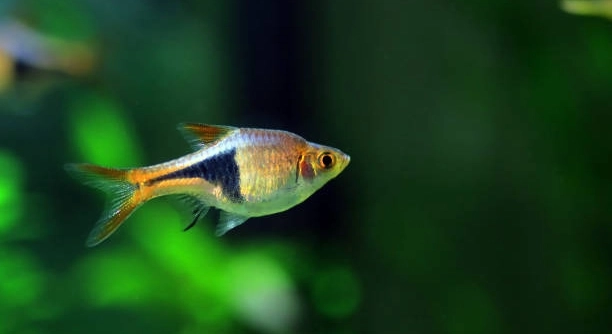
Rasboras are small, colorful fish often kept in home aquariums. They can show different behaviors that reflect changes in their emotions. Understanding these signs helps keep them healthy and happy.
Rasboras may display emotional changes through variations in swimming patterns, color intensity, social interaction, and feeding habits. These behaviors serve as indicators of stress, comfort, or environmental adaptation, which are critical to monitor for their well-being.
Recognizing these subtle emotional signals can improve how you care for your rasboras and create a better environment for them to thrive.
Changes in Swimming Behavior
Rasboras usually swim calmly and in groups. When they start darting quickly or hiding more often, it can mean they are feeling stressed or unsafe. Sometimes, slow or sluggish movement shows they might be sick or uncomfortable with the water conditions. Watching how your rasboras move helps you catch early signs of trouble. It’s important to keep the tank clean and stable to reduce stress. Sudden loud noises or aggressive tank mates can also cause them to act differently. Consistent observation lets you adjust their environment to keep them calm and healthy.
These changes in swimming are clear signals that your rasbora’s emotional state is shifting. They often reflect their comfort or distress in the tank environment.
Paying close attention to their swimming helps prevent health problems and keeps your fish feeling secure.
Color Intensity Changes
Rasboras’ colors can become brighter or duller depending on how they feel. Bright colors usually show that they are healthy and relaxed. When they lose color, it might mean they are stressed, sick, or unhappy. Changes in light or water quality can also affect their color. Sometimes, new tank mates or changes in feeding habits cause color shifts. Dull colors should be taken seriously, as prolonged stress can harm their health. You can improve their color by providing a stable environment, good nutrition, and gentle care. Understanding these color signals makes it easier to spot when your fish need attention and helps maintain their natural beauty in the tank.
Changes in Social Interaction
Rasboras usually swim in groups and enjoy company. If one starts isolating or hiding more than usual, it could mean stress or illness. Social withdrawal is often an early sign of emotional disturbance or discomfort in their environment.
When rasboras reduce their group swimming or stop interacting, it can indicate a problem. This change often happens if the tank conditions worsen, or if new aggressive fish cause fear. Social behavior is important for their mental health, so observing these changes helps catch issues early. Ensuring enough space and hiding spots in the tank encourages natural social behavior and reduces stress. If isolation continues, testing water quality and checking for disease is necessary to protect your fish.
Maintaining a peaceful and stable community tank supports healthy social habits. This reduces emotional distress and improves overall fish well-being.
Feeding Habits Alteration
A change in feeding habits can signal emotional or physical issues in rasboras. Loss of appetite often means stress, poor water quality, or illness. Conversely, overeating may also show anxiety or environmental discomfort.
If your rasbora suddenly eats less or refuses food, this should not be ignored. Stress from tank changes, poor diet, or sickness often causes feeding disruptions. Keeping a regular feeding schedule and high-quality food helps maintain healthy eating behavior. Watching how your fish respond during feeding can reveal important clues about their emotional and physical state. If appetite problems persist, checking water parameters and consulting a vet or experienced aquarist may be necessary. Over time, consistent feeding patterns indicate comfort and good health in your rasboras.
Increased Hiding
Rasboras may hide more when feeling stressed or unsafe. This behavior helps them avoid threats or uncomfortable situations.
If hiding becomes frequent, it can indicate poor water quality, aggressive tank mates, or sudden changes in the environment. Addressing these factors often helps reduce hiding.
Changes in Breathing Rate
Rapid or heavy breathing in rasboras is a sign of stress or low oxygen levels in the tank. It may also signal illness or poor water conditions that affect their comfort and health.
Aggressive Behavior
Although generally peaceful, rasboras may show aggression when stressed or overcrowded. This can lead to fights or injury if not managed promptly. Monitoring their behavior helps maintain a calm tank environment.
FAQ
Why is my rasbora hiding more than usual?
When a rasbora hides more often, it usually means it feels stressed or threatened. Common reasons include poor water quality, sudden changes in the tank, or aggressive tank mates. Providing plenty of plants and hiding spots can help your fish feel safer and more comfortable.
What causes color fading in rasboras?
Color fading can be caused by stress, illness, or poor water conditions. It may also happen if the fish is not getting proper nutrition or is living in a tank with too much light or not enough hiding places. Maintaining stable water conditions and feeding high-quality food helps preserve their vibrant colors.
How do I know if my rasbora is stressed?
Signs of stress include erratic swimming, hiding frequently, loss of appetite, and faded colors. Changes in breathing rate or increased aggression are also common indicators. Regularly testing water quality and observing tank conditions are important steps to reduce stress.
Can rasboras live alone, or do they need a group?
Rasboras are schooling fish and thrive in groups of at least six. Living alone can make them feel insecure and stressed, which may lead to unusual behavior or health problems. Keeping them in groups helps maintain their natural social behavior and emotional balance.
What should I do if my rasbora stops eating?
If your rasbora stops eating, first check the water quality and temperature. Poor conditions often cause appetite loss. Also, consider if there have been recent changes in the tank or diet. Offering varied, nutritious foods can encourage feeding, but if the problem persists, seek advice from a vet or aquatic specialist.
How can I reduce aggression in my rasbora tank?
Aggression often happens due to overcrowding, poor tank setup, or incompatible tank mates. Ensure your tank is large enough and has plenty of hiding places. Avoid keeping aggressive species with rasboras. Monitoring behavior and making adjustments quickly can prevent injury.
Why is my rasbora breathing rapidly?
Rapid breathing may mean low oxygen levels or poor water quality. It can also signal illness or stress. Improving aeration and maintaining clean water will help. If breathing problems continue, test for disease and treat accordingly.
How often should I change the water to keep my rasboras happy?
Regular water changes, about 20-30% weekly, help maintain a healthy environment. This reduces toxins and keeps water parameters stable, which lowers stress and prevents illness. Avoid sudden large changes that can shock your fish.
What tank conditions do rasboras prefer?
Rasboras prefer clean, well-oxygenated water with a temperature between 72-78°F (22-26°C). They thrive in tanks with plants and gentle filtration. Stable pH around 6.5-7.5 is ideal. Consistent conditions support their emotional and physical well-being.
How can I tell if my rasbora is sick or just stressed?
Stress and illness share some signs like hiding and loss of appetite. However, sickness often includes visible symptoms like spots, swelling, or abnormal swimming. If symptoms worsen despite good care, it’s likely illness and may require treatment. Monitoring behavior closely helps with early detection.
Rasboras are delicate fish that show many emotional changes through their behavior. Paying attention to how they swim, interact, and eat can help you understand what they are feeling. When rasboras hide more, change color, or behave differently, it often means they need some attention. By noticing these signs early, you can make changes in their tank or care routine to keep them healthy and comfortable.
Maintaining a stable and clean tank environment is very important for rasboras’ well-being. Regular water changes, proper temperature, and good water quality help reduce stress. Providing enough space and hiding places makes your fish feel safe and less likely to hide or act aggressively. Feeding them good food on a consistent schedule also supports their health and emotional balance. When you keep these basics in mind, your rasboras are more likely to show natural, calm behavior.
Understanding the emotional changes in rasboras is key to their care. Each sign they give, like changes in swimming or color, points to what might need fixing in their environment. Taking the time to watch your fish closely helps you respond to their needs before problems grow. This attention improves their quality of life and makes your aquarium a peaceful place. Caring for rasboras with patience and care leads to happier, healthier fish.

Hello,
If you enjoy the content that we create, please consider saying a "Thank You!" by leaving a tip.
Every little bit helps us continue crafting quality advice that supports the health, happiness, and well-being of pets around the world, for pets of all shapes, sizes, and species.
We really appreciate the kindness and support that you show us!