
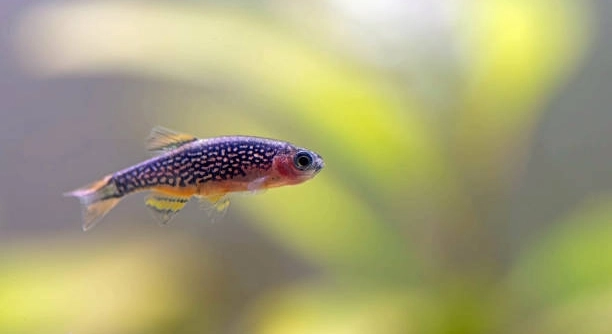
Have you ever tried setting up a tank for danios but felt it still looked artificial? Creating a natural-looking environment can feel challenging, especially when aiming for balance between aesthetics and fish comfort in a home aquarium.
A natural-looking danio setup relies on seven key elements, including proper substrate choice, live plants, hiding spaces, water flow, lighting, tank decorations, and compatible tank mates. Each factor contributes to creating an environment that mimics their natural habitat and promotes healthy behavior.
Learning how to combine these elements effectively can transform your tank into a lively, visually appealing space for your danios. Observing the subtle details makes all the difference in creating harmony.
Substrate Choice
Choosing the right substrate is the first step to creating a natural-looking danio tank. Fine gravel or sand works best because it mimics riverbeds where danios naturally swim. Darker substrates often enhance fish colors and give the tank a grounded, natural feel. Avoid overly bright or artificial-looking gravel, as it can distract from the overall harmony. Substrate depth should allow plants to root securely and support beneficial bacteria growth, which helps maintain water quality. I personally prefer a layer of nutrient-rich substrate under a thin layer of plain sand—it encourages plant growth without looking messy. Mixing textures subtly can make the tank appear more authentic. When placing plants or decorations, consider leaving open swimming areas, as danios are active swimmers and need space to move freely. This combination of substrate and plant placement will immediately make the tank feel more like a natural habitat rather than a display.
A balanced substrate not only supports plants but also provides a comfortable surface for danios to explore and forage naturally.
Substrate impacts the tank’s biological balance as well. Fine materials trap detritus and leftover food, allowing bacteria to break down waste efficiently. A proper substrate can reduce ammonia spikes and improve water clarity. Layering nutrient-rich substrate beneath a lighter sand layer promotes plant growth while keeping roots stable. The visual contrast of dark and light tones gives depth to the tank, making it feel less artificial. Selecting a substrate compatible with danio behavior ensures they can forage without risk of injury. Overall, a carefully chosen substrate sets the stage for every other element in the tank, influencing both aesthetics and fish health.
Plant Selection
Live plants add movement and life, giving danios places to hide and explore.
Choosing hardy plants like Java fern, Anubias, or Vallisneria ensures minimal maintenance while providing natural shelter.
Plants improve water quality by absorbing nitrates and offering oxygen. Arranging taller plants toward the back and sides creates depth, while shorter foreground plants maintain open swimming spaces. Floating plants add surface coverage, diffusing light and giving a sense of security. Combining slow- and fast-growing species prevents overgrowth while maintaining a balanced appearance. Plants also encourage natural behaviors, like hiding, resting, and schooling in open areas. Selecting species with varying leaf shapes and textures mimics rivers and streams, enhancing the tank’s natural look. Proper plant care, including occasional trimming and nutrient supplementation, keeps the tank visually appealing and healthy. Live plants create a dynamic environment where the tank evolves over time, reflecting natural conditions while supporting the well-being of danios consistently.
Hiding Spaces
Providing hiding spaces helps danios feel secure and reduces stress. Rocks, driftwood, and caves offer retreats while adding natural structure to the tank.
Hiding spaces should be varied in size and shape to accommodate different fish behaviors. Small caves or rock crevices let shy individuals rest, while open tunnels encourage exploration. Driftwood provides a textured surface for biofilm growth, giving danios a place to nibble. Arranging decorations naturally, avoiding symmetrical patterns, makes the tank feel more authentic. I like layering smaller rocks against larger driftwood pieces to create depth and shelter without overcrowding swimming areas. Proper placement ensures danios have multiple retreat options and reduces territorial stress.
Caves and wood also influence tank aesthetics. Natural materials soften the hard edges of glass and gravel, giving the tank a more organic feel. Over time, moss or algae growing on surfaces blends everything into the environment. Creating overlapping areas where plants meet rocks or wood encourages danios to explore while still offering safety. Maintaining open swimming lanes around these hiding spots keeps active fish moving freely. Ultimately, these structures make the tank more functional and visually appealing while supporting natural fish behavior.
Water Flow and Filtration
A gentle current replicates rivers where danios thrive. Strong currents stress them and limit natural swimming patterns.
Using adjustable filters or sponge filters allows control over flow speed. Danios prefer moderate circulation, which also prevents debris from settling in corners. Positioning the filter output to create light ripples across the water surface enhances oxygen exchange. Combining plants and decorations with the flow reduces strong turbulence, letting fish swim comfortably while keeping water clean. I usually test the flow daily to ensure danios can move freely without fighting the current. Proper water movement balances cleanliness, oxygen levels, and fish activity naturally.
Filtration and water flow affect both health and aesthetics. A well-maintained filter keeps the water clear, highlighting substrate colors and plant vibrancy. Sponge filters provide gentle suction, preventing small fish from being pulled in while allowing biofilm growth. The placement of rocks and driftwood can direct flow subtly, creating calmer zones for rest. Water movement also supports the growth of beneficial microorganisms, contributing to overall tank stability. A balanced system ensures that the tank remains visually pleasing, fish remain active, and maintenance becomes easier, creating a harmonious environment for danios and plants alike.
Lighting
Proper lighting enhances plant growth and fish coloration. Soft, natural light prevents stress and creates a calm environment for danios.
LED lights with adjustable timers work well, simulating day and night cycles. Avoid overly bright setups that can make fish skittish and encourage algae growth.
Tank Decorations
Using natural decorations like driftwood, rocks, and smooth stones adds depth and realism. Avoid plastic ornaments that look artificial or disrupt swimming patterns.
Tank Mates
Danios do best with peaceful, similarly sized fish. Avoid aggressive or slow-moving species that could be stressed by active swimming patterns.
Water Parameters
Maintaining stable temperature, pH, and hardness is essential. Danios thrive in slightly cool, neutral water with consistent monitoring and gentle adjustments.
FAQ
How often should I change the water in a danio tank?
Regular water changes are essential for maintaining clean, healthy conditions. I usually replace about 20-25% of the tank water every week. This helps remove excess nutrients and waste while keeping water parameters stable, preventing stress or illness in danios.
What is the best temperature for danios?
Danios thrive in slightly cooler waters, typically between 20°C and 24°C (68°F to 75°F). Maintaining a stable temperature is more important than hitting an exact number. Fluctuations can stress fish, making them more susceptible to disease. Using a reliable heater or thermometer helps keep conditions consistent.
Can danios live alone?
Danios are schooling fish, so they feel most comfortable in groups of at least five or six. Alone, they can become stressed or inactive. Keeping them in small groups encourages natural swimming patterns and social behavior. I always make sure my tank has enough space for the school to move freely.
What should I feed danios?
Danios are not picky eaters. A varied diet of high-quality flake or pellet food, supplemented with occasional live or frozen foods like brine shrimp or daphnia, keeps them healthy. Feeding small amounts 1-2 times daily prevents overfeeding and helps maintain water quality. I usually observe them during feeding to make sure everyone gets food.
How do I prevent algae in a danio tank?
Algae growth is natural but can be controlled. Proper lighting, regular water changes, and not overfeeding are key. Adding live plants also competes with algae for nutrients. I like to remove visible algae manually and trim fast-growing plants to keep the tank balanced.
Do danios need a special substrate?
While danios are not picky about substrate, fine gravel or sand works best for natural aesthetics. It allows plants to root and creates areas for fish to forage. Darker substrates highlight their colors, making the tank more visually appealing. I usually layer nutrient-rich substrate beneath sand for plant growth.
Can danios live with other fish?
Danios are peaceful and do well with other non-aggressive, similarly sized fish. Avoid housing them with slow-moving or very large fish that may stress them. Careful selection ensures the tank remains calm and natural-looking. I often pair danios with tetras or small rasboras for a lively but harmonious community.
How do I know if my danios are healthy?
Healthy danios are active, swim in schools, and have bright colors. Watch for lethargy, clamped fins, or unusual spots, which may indicate stress or illness. Maintaining clean water, proper diet, and hiding spaces helps prevent health issues. I check my tank daily and adjust conditions when needed.
How much space do danios need?
Danios are active swimmers and need open swimming areas. A minimum of 20 gallons for a small school works, but larger tanks are better. Providing open lanes between plants and decorations ensures they can move naturally. I arrange decorations to balance hiding spots with plenty of room to swim.
What kind of lighting is best for a danio tank?
Moderate LED lighting with a consistent day-night cycle works best. Too bright lighting can stress fish and encourage algae, while insufficient light can affect plant growth. I use a timer to maintain a regular schedule, keeping the tank calm and visually appealing.
How do I introduce new danios to an established tank?
Acclimating new danios gradually is important. Float the bag in the tank for 15-20 minutes to match temperature, then slowly add small amounts of tank water before releasing them. This reduces stress and prevents sudden changes in water chemistry. I always watch newcomers closely for the first few days.
How often should I trim plants in a danio tank?
Trimming depends on plant growth, but usually every 2-3 weeks keeps the tank balanced. I remove dead or overgrown leaves to prevent decay and maintain open swimming spaces. Regular trimming also encourages healthy growth and keeps the tank looking natural.
Can I keep danios in a planted tank?
Yes, danios do well in planted tanks. Plants provide shelter, reduce stress, and improve water quality. I like to mix tall background plants with low foreground plants, leaving open swimming areas. Floating plants also diffuse light and add a natural feel, making the tank more comfortable for active danios.
Do danios need strong water flow?
Moderate water flow is ideal. Danios are active swimmers and enjoy gentle currents, but strong currents can tire them and stress the fish. I adjust filters or add obstacles like plants and driftwood to reduce strong flow while maintaining good circulation and oxygen levels.
How can I tell the difference between male and female danios?
Males are usually slimmer with brighter colors, while females are rounder, especially when carrying eggs. Observing schooling behavior can also help, as females often swim in the middle of the group. I like to watch them during feeding to notice subtle differences and ensure a balanced school.
What are common signs of stress in danios?
Stress in danios shows as lethargy, hiding excessively, loss of color, or erratic swimming. Poor water quality, overcrowding, or strong currents can cause stress. I monitor behavior daily and check water parameters regularly to maintain a calm, natural environment.
Is it necessary to cycle the tank before adding danios?
Yes, cycling the tank ensures beneficial bacteria are established, preventing ammonia or nitrite spikes that harm fish. I always test water parameters and wait until ammonia and nitrite levels are zero before adding danios. This step is crucial for long-term health.
Can danios jump out of the tank?
Yes, danios are energetic and may jump. A tight-fitting lid is essential to prevent accidents. I also make sure water flow and hiding spots reduce sudden movements that might trigger jumping. Keeping a secure cover keeps fish safe and the tank intact.
How do I manage breeding in a community tank?
Danios may breed easily in a well-maintained tank. To prevent overpopulation, separate fry or provide plenty of hiding spaces. I remove eggs if necessary and ensure adults have enough swimming room. Plant coverage helps protect fry and reduces stress for both adults and young fish.
What is the best way to clean a danio tank?
Spot clean debris daily and perform weekly water changes. Vacuum the substrate lightly to remove excess waste. I avoid deep cleaning all at once, as it can disrupt beneficial bacteria. Regular maintenance keeps the tank clean without stressing the fish.
How can I reduce aggression in a danio tank?
Danios are generally peaceful but can nip fins if stressed or overcrowded. Maintaining proper school size, open swimming space, and compatible tank mates reduces aggression. I observe interactions and rearrange decorations if certain fish become territorial, creating a more harmonious environment.
How important is water testing for danios?
Testing water is crucial for health. Monitoring ammonia, nitrite, nitrate, pH, and hardness helps prevent stress and disease. I test weekly and make small adjustments as needed, ensuring a stable environment where danios can thrive.
Can danios live in cooler water?
Yes, they tolerate cooler temperatures better than tropical fish. Slightly cooler water reduces oxygen stress and supports active swimming. I maintain consistent temperature and avoid sudden drops, which can cause illness or stress in the school.
Are danios suitable for small tanks?
They can live in small tanks, but larger tanks are better for active swimming and schooling behavior. I recommend at least 20 gallons for a small school, ensuring enough open space and hiding spots. Proper planning avoids overcrowding and promotes natural activity.
How long do danios typically live?
With proper care, danios live around 4-6 years. Good diet, clean water, stable parameters, and a natural environment contribute to longevity. I’ve noticed that active schooling and well-planted tanks help them thrive longer and maintain vibrant coloration.
Do danios require supplements or vitamins?
A balanced diet usually meets their nutritional needs, but occasional live or frozen foods provide variety and extra nutrients. I occasionally add supplements if fish show dull coloration or reduced activity, but it’s rarely necessary in a healthy, varied diet.
How do I prevent fin damage in danios?
Providing smooth decorations, avoiding aggressive tank mates, and maintaining water quality prevents fin damage. I watch for nipping behavior and remove any problematic fish to ensure the school remains healthy. Rounded plants and gentle flow also reduce stress on fins.
Can danios adapt to different water types?
Danios are hardy and adapt to a range of slightly soft to moderately hard water. Sudden changes should be avoided. I adjust water slowly during changes to keep them comfortable while maintaining stability in pH and hardness levels.
How can I keep my danio tank looking natural over time?
Regular trimming, repositioning decorations, and monitoring plant growth keeps the tank balanced. I occasionally rearrange driftwood and rocks to maintain depth and open swimming areas. Observing fish behavior and adjusting structures ensures the tank evolves naturally without losing its visual appeal.
What is the best way to introduce plants and decorations?
Place taller plants at the back, shorter in the front, and decorations to create hiding spots while leaving swimming lanes. I combine textures and colors gradually, letting fish explore safely while maintaining a natural aesthetic. The layout should encourage movement and comfort for all fish.
Do danios need supplemental oxygen?
If the tank is properly filtered and moderately planted, supplemental oxygen is rarely necessary. I ensure good water flow, surface agitation, and live plants to maintain oxygen levels, which supports active and healthy fish behavior.
How do I prevent disease in a danio tank?
Maintain clean water, stable parameters, a balanced diet, and proper tank mates. Quarantine new fish before introduction. I monitor behavior and water quality, removing sick individuals promptly to reduce risk. Prevention is always better than treatment.
What is the best way to arrange decorations for danios?
Create open swimming lanes, group hiding spots naturally, and avoid overcrowding. I mix rocks, driftwood, and plants to provide vertical and horizontal spaces. Proper arrangement supports natural behavior and makes the tank visually appealing.
Can danios live in brackish water?
Danios are freshwater fish and do not thrive in brackish conditions. I always maintain them in freshwater with neutral to slightly soft parameters to keep them healthy. Sudden salinity changes can be fatal.
Are danios compatible with snails or shrimp?
Yes, peaceful snails and larger shrimp can coexist. Avoid tiny shrimp that may be eaten. I often include snails to help with algae control and cleaning while ensuring danios are not stressed.
How often should I check water parameters?
Weekly testing is sufficient for established tanks. I also check after major changes like adding fish, plants, or decorations to ensure stability. Monitoring prevents sudden issues and maintains a safe environment.
Can danios recognize their owners?
Danios notice movement and activity near the tank but do not form strong recognition like some species. I enjoy watching their schooling behavior, which shows personality and activity, even if they do not respond individually.
How do I acclimate danios to a new tank?
Float the bag to match temperature, gradually mix in tank water, and release fish gently. I watch for stress signs and provide hiding spots immediately, making transitions smoother and safer for the school.
Are danios sensitive to noise or vibrations?
They notice vibrations and sudden movement, which can stress them. I keep the tank in a stable area away from heavy foot traffic or loud machines, ensuring a calm environment that supports natural swimming and schooling.
Can danios jump during feeding?
Yes, they may jump if startled or chasing food. I feed slowly and use a floating ring or surface feeding method to reduce splashing and protect the fish. A secure lid prevents accidents.
How do I handle overpopulation if danios breed?
Separate fry or reduce egg-laying conditions to control numbers. Plenty of hiding spots helps survival if breeding occurs. I monitor population closely and plan tank size accordingly to avoid overcrowding, keeping both adults and young fish healthy.
What maintenance routine keeps a danio tank natural-looking?
Weekly water changes, substrate vacuuming, plant trimming, and careful decoration arrangement maintain a natural look. I also remove algae and dead plant material, keeping swimming lanes open and ensuring fish have space to explore. A consistent routine balances health and aesthetics.
How important is schooling for danios?
Schooling is essential for behavior and stress reduction. Danios feel safer and exhibit natural swimming patterns in groups. I always maintain at least five or six danios to encourage social behavior, keeping the school active and visually appealing.
Do danios need a varied diet?
Yes, variety keeps them healthy and colorful. I rotate flake, pellet, and occasional live or frozen foods. This supports growth, prevents nutritional deficiencies, and keeps feeding time interesting for the fish.
Can danios live in planted tanks without artificial lighting?
They can survive, but plants may struggle. I use LED lights to support plant growth and maintain day-night cycles. Proper lighting enhances both fish coloration and overall tank appearance.
What is the ideal pH for danios?
Neutral to slightly soft water around pH 6.5–7.5 works best. I test regularly and adjust gradually if needed to avoid stress and maintain natural conditions. Stable pH supports plant health and active fish behavior.
How do I keep danios active in a small tank?
Provide open swimming lanes, varied hiding spots, and gentle water flow. I observe fish daily, adjusting decorations if they seem confined, ensuring the school remains lively and natural-looking.
Can I use artificial plants with danios?
Yes, but they should be smooth and flexible to avoid injury. I prefer live plants for oxygen and natural behavior, but artificial plants can supplement areas where live plants struggle.
Are danios prone to common fish diseases?
They are hardy but can get fin rot, ich, or bacterial infections if stressed. I maintain water quality, proper diet, and compatible tank mates to prevent issues, reducing the need for treatment.
Do danios require large schools for health?
Yes, smaller groups can lead to stress and inactivity. I always keep at least five or six danios together to support natural behavior, social interaction, and overall well-being.
How do I manage algae in a planted tank?
Control light, limit excess nutrients, trim plants, and remove visible algae manually. I also include snails or algae-eating fish to help naturally maintain balance without chemicals.
Can danios tolerate low oxygen levels?
They prefer well-oxygenated water. I ensure surface agitation and moderate flow to maintain oxygen, as low levels can reduce activity and health. Live plants also contribute to oxygen balance, supporting natural behavior.
How long does it take for a new tank to stabilize for danios?
Cycling a tank usually takes 4-6 weeks. I monitor ammonia, nitrite, and nitrate levels before adding fish. Waiting ensures the environment is safe and reduces the risk of stress or illness for the new inhabitants.
Do danios need hiding spaces in small tanks?
Yes, even small tanks benefit from rocks, plants, or driftwood. I arrange decorations to leave open swimming lanes while providing shelters, reducing stress and encouraging natural behaviors.
What is the best way to feed danios in a planted tank?
Small amounts of food spread across the surface prevent leftovers from decaying in substrate or plants. I observe feeding to make sure all fish get enough without overfeeding, maintaining water quality.
Can danios adapt to different light cycles?
They can tolerate variations but prefer consistent day-night cycles. I use timers to maintain rhythm, supporting plant growth, fish activity, and overall tank stability.
How do I know if a new tank is ready for danios?
Check that ammonia and nitrite levels are zero, nitrate is low, and water parameters are stable. I also ensure decorations and plants are settled, creating a safe and comfortable environment before introducing the school.
Are danios compatible with bettas?
Generally no. Bettas can be territorial and may nip fins. I avoid housing them together to reduce stress and injury. Peaceful, similarly sized fish are a better choice for danios.
Do danios need supplemental feeding if plants are present?
Yes, plants alone do not provide enough nutrition. I always feed high-quality flakes or pellets and occasional live or frozen foods to maintain health and coloration.
Can danios live in cold tap water temporarily?
They tolerate minor fluctuations but sudden cold water can stress them. I acclimate new water slowly, ensuring stable temperatures and preventing shock or health issues.
How do I prevent fin nipping in a danio tank?
Maintain proper group sizes, open swimming lanes, and compatible tank mates. I watch for aggressive behavior and rearrange decorations to reduce conflict. Adequate hiding spots also help minimize stress-related nipping.
Is a lid necessary for a danio tank?
Yes, danios are active and can jump. I always use a secure lid to prevent escape, ensuring the tank remains safe while allowing proper airflow.
Can danios live in soft water?
Yes, they tolerate slightly soft water, but extremely soft or acidic conditions should be avoided. I maintain moderate hardness and neutral pH for optimal health and natural behavior.
How often should I feed danios?
Once or twice daily in small portions works best. Overfeeding leads to water quality issues. I observe feeding behavior to ensure all fish eat and adjust amounts accordingly.
Can danios live in a tank with fluctuating temperatures?
They prefer stable conditions. Sudden changes cause stress and may lead to illness. I monitor temperature daily and use heaters or coolers to maintain consistency, ensuring a calm environment.
Are danios compatible with goldfish?
No, goldfish are cold-water, messy, and slower-moving. Danios may be stressed or outcompeted. I keep them with peaceful, similar-sized tropical fish for safety and natural behavior.
How do I acclimate danios to new water chemistry?
Add small amounts of tank water gradually over 20–30 minutes before release. I monitor behavior and give hiding spots to reduce stress during the transition. Gradual acclimation prevents shock and maintains health.
Can danios survive without plants?
Yes, but plants provide oxygen, shelter, and a more natural environment. I include live or artificial plants to reduce stress and encourage natural behavior, enhancing the tank’s overall appearance.
What is the best way to introduce multiple danios at once?
Acclimate them together using temperature-matched water and gradual mixing. I release the school carefully, ensuring hiding spots are available and monitoring interactions to prevent stress.
Do danios need dark or light substrate?
Darker substrates highlight their colors and create a natural feel. I layer nutrient-rich substrate for plants underneath, combining function with aesthetics for a balanced environment.
How often should I clean decorations?
Clean lightly during water changes to remove algae or debris without disrupting beneficial
Creating a natural-looking danio tank requires attention to several small but important details. Every element, from substrate to plants and decorations, contributes to the overall harmony of the aquarium. Choosing the right substrate provides a foundation for plants and gives the tank a realistic feel. Fine gravel or sand works best and supports the growth of beneficial bacteria. Plants, both tall and short, add depth and provide shelter for the fish. Proper placement of rocks and driftwood creates hiding spaces while still leaving open swimming areas for active danios. By paying attention to these elements, the tank can feel like a miniature river ecosystem rather than just a display.
Water quality and circulation are equally important for a healthy setup. Danios are active swimmers, so moderate water flow keeps them comfortable while preventing waste buildup. Using a filter that creates gentle currents ensures the water stays clean without stressing the fish. Regular water changes and monitoring of parameters like temperature, pH, and hardness keep the tank stable and safe. A planted tank adds another layer of balance by absorbing excess nutrients and providing oxygen. Light should be soft and consistent, supporting both plant growth and fish well-being. This combination of stable water conditions and thoughtful tank design promotes natural behavior and vibrant fish colors, making the aquarium visually appealing.
Finally, creating a natural-looking danio setup is about observing the fish and adjusting the environment to meet their needs. Danios thrive in groups, so schooling behavior should be encouraged by maintaining at least five or six fish together. Decorations should be arranged to allow open swimming lanes while giving places to rest or hide. Choosing compatible tank mates prevents stress, while proper feeding and occasional trimming of plants maintain a balanced ecosystem. Over time, small adjustments—such as rearranging driftwood or trimming plants—can improve both the appearance and the health of the tank. Attention to these details ensures that the tank remains a lively, natural environment for the danios, combining beauty, function, and comfort for years to come.

Hello,
If you enjoy the content that we create, please consider saying a "Thank You!" by leaving a tip.
Every little bit helps us continue crafting quality advice that supports the health, happiness, and well-being of pets around the world, for pets of all shapes, sizes, and species.
We really appreciate the kindness and support that you show us!